
Polymyxa
Polymyxa
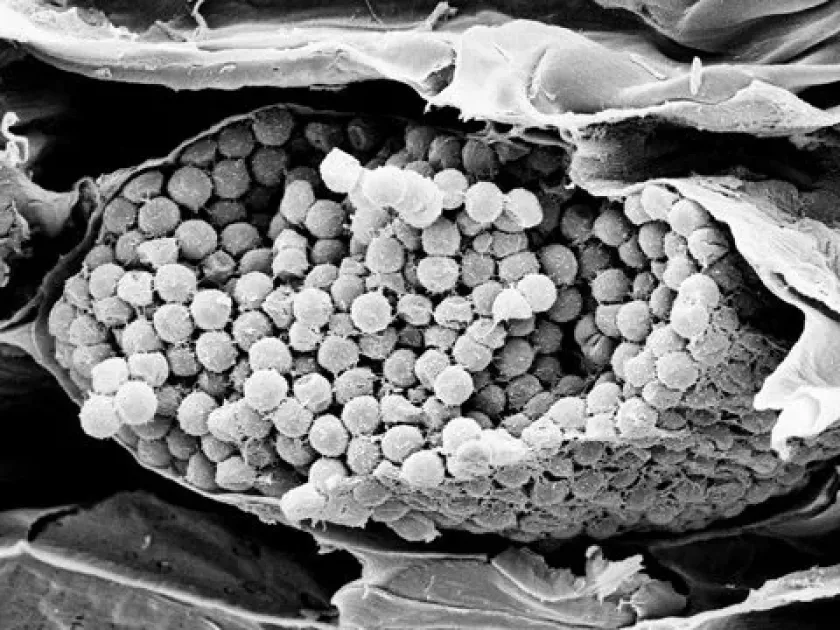
Description
Symptoms
Direct signs of Polymyxa infection are often subtle and limited to minor discoloration or necrosis of the finest root hair tips, which is difficult to diagnose in the field.
Visible symptoms are usually secondary, appearing as viral infection markers such as systemic mosaic patterns, chlorotic striping, leaf yellowing, and stunted growth.
In sugar beet crops, the characteristic sign of the associated rhizomania is the "bearded" root appearance, where the main taproot ceases to grow and a dense mass of secondary lateral roots develops.
Plants affected by the viruses transmitted by Polymyxa exhibit a significant loss of vigor, early senescence, and a substantial reduction in overall biomass.
Accurate field identification often requires laboratory validation, such as ELISA or PCR tests, to confirm the presence of both the vector and the associated viral agents.
Pathogen
Polymyxa is a genus of obligate soil-borne parasites belonging to the class Plasmodiophoromycetes. These organisms function as significant vectors of plant viruses in various agricultural crops.
The genus includes major species such as Polymyxa graminis, which transmits viruses in cereals, and Polymyxa betae, the primary vector of necrotic yellow vein virus (rhizomania) in sugar beets.
The biological cycle of Polymyxa involves the formation of biflagellate zoospores that swim through soil water films to reach and infect root hairs of the host plant.
Once inside the root cells, the parasite develops into a plasmodium, eventually forming resting spores (cystosori) that can persist in the soil for several years.
Polymyxa does not typically cause severe primary damage itself; its pathogenicity is primarily linked to the viruses it injects into the plant tissues during the feeding process.
Conditions for development
Polymyxa development is highly dependent on soil moisture levels. Saturated or waterlogged soils are ideal for the release and motility of zoospores towards host roots.
The optimal temperature range for infection is relatively cool, typically between +12°C and +18°C. This makes spring-sown crops particularly vulnerable to initial infection stages.
The pathogen thrives in neutral to slightly alkaline soil conditions. While it can persist in various soil types, its activity is most pronounced in moisture-retentive, heavy soils.
Resting spores (cystosori) are exceptionally durable and can remain viable in the soil for up to a decade, making complete eradication through crop rotation practically impossible.
The spread between fields is facilitated by human activity, primarily through the movement of infested soil on farm machinery, boots, and tools.
Why it matters
The primary harm caused by Polymyxa is the efficient transmission of economically damaging plant viruses, leading to yield losses that can range from 50% to almost complete crop failure.
Viral infections transmitted by this pathogen disrupt the plant's physiological processes, including nutrient uptake and photosynthesis, leading to reduced produce quality.
In sugar beets, rhizomania causes severe sugar content reduction, significantly impacting the sugar extraction process and the economic value of the harvest.
Prolonged soil infestation limits the choice of cultivars for farmers, as they are often forced to move away from high-yielding, virus-susceptible varieties.
Increased susceptibility to secondary soil-borne pathogens, such as fungal root rots, often occurs due to the physiological stress induced by the combined viral and parasitic infection.
Protection
The most effective management strategy is the deployment of resistant or tolerant cultivars that prevent the virus from replicating even if the Polymyxa pathogen is present.
Strict biosecurity measures are essential. Thoroughly cleaning farm machinery and tools before moving them between different fields helps mitigate the spread of infested soil.
Improving soil drainage and field management to prevent waterlogging is a critical preventative measure, as it limits the environment necessary for zoospore movement.
While crop rotation has limited success in eliminating the pathogen due to its long-term soil persistence, it remains important to prevent the buildup of specific viral strains.
- Utilize genetically resistant crop varieties.
- Implement rigorous machinery sanitation protocols.
- Enhance soil drainage to reduce zoospore motility.
- Control weed hosts that serve as reservoirs for viruses.
Discussion
No discussions yet — be the first.