
Pleosporomycetidae
Pleosporomycetidae
Description
Symptoms
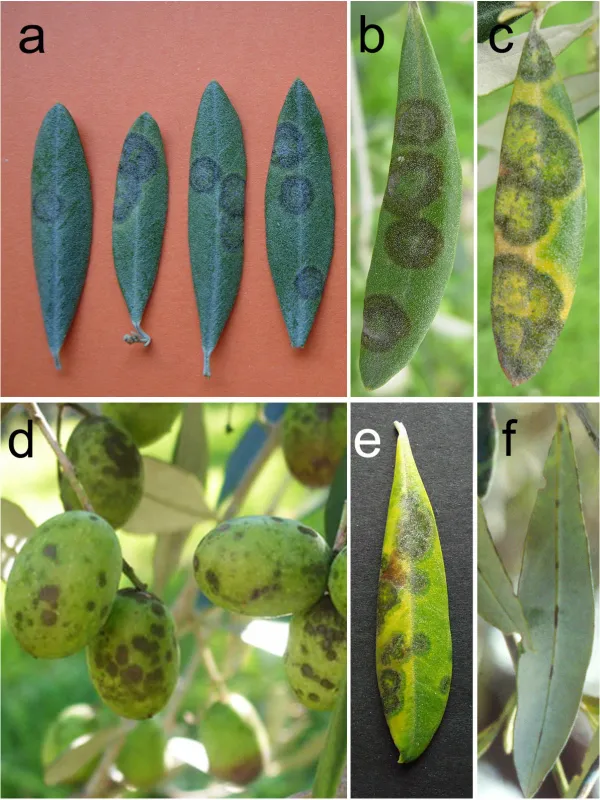
The most common symptoms include the development of spots on leaves that vary in shape and color, ranging from yellow-brown to black. These spots often feature concentric rings, which is a hallmark of many Pleosporomycetidae infections.
Under humid conditions, the centers of these lesions are often covered with a fuzzy fungal growth composed of conidiophores and spores. As the disease progresses, leaves may become chlorotic, wither, and drop prematurely, severely reducing the plant's photosynthetic capacity.
Stem and root infections often manifest as dark streaks or lesions, which can impede nutrient transport and lead to lodging or plant death. In cereals, the infection can affect the heads, causing discoloration and shriveled grains.
Fruit infections often result in sunken, necrotic lesions followed by decay. This significantly reduces the marketability and quality of harvested crops, making them unsuitable for long-term storage.
Early diagnosis is challenging because these symptoms can easily be confused with other fungal pathogens. Precise identification often requires microscopic examination or molecular diagnostic tools.
Pathogen
Pleosporomycetidae is a large subclass of Ascomycota fungi that includes many significant agricultural pathogens. Major genera within this group include Alternaria, Cochliobolus, Pleospora, and Leptosphaeria, all known for causing severe yield losses.
These fungi are characterized by the production of pseudothecia containing asci with ascospores. In addition to sexual reproduction, they produce conidia, which serve as the primary source of infection and spread during the active growing season.
Most of these pathogens act as necrotrophs, invading host plant tissues by secreting a cocktail of toxins and enzymes. This process leads to tissue degradation and the formation of necrotic spots on leaves, stems, and fruits.
The fungi survive in the soil or on infected crop debris in the form of mycelium, pycnidia, or perithecia. They are capable of persisting for several seasons, making them difficult to eradicate from affected fields.
The broad host range of these fungi makes them a constant threat to various crops, including cereals, vegetables, and fruit-bearing trees, requiring sophisticated management strategies.
Conditions for development
Pleosporomycetidae infections are highly dependent on environmental conditions, particularly high humidity and the presence of leaf surface wetness. Optimum temperatures for infection usually range between 18 and 25 degrees Celsius.
Dense planting and poor canopy ventilation create a humid microclimate that is extremely favorable for spore germination and colonization. Agricultural practices that lead to water stagnation promote disease development.
High levels of primary inoculum in the soil, often resulting from continuous cropping of susceptible varieties, dramatically increase the risk of an outbreak. Crop rotation is essential to break the survival cycle of these fungi.
Plant stress, caused by nutrient deficiencies or physical damage by pests, makes plants significantly more susceptible to infection. Once the fungus enters the tissue, its growth is often accelerated by warm and rainy weather.
The spread of spores is facilitated by wind and water splash, allowing the infection to move rapidly from the lower leaves to the upper canopy and neighboring plants.
Why it matters
The primary damage caused by these fungi is a sharp reduction in yield due to the extensive destruction of foliage. This leads to poor grain filling, stunted fruit development, and overall loss of biomass.
Many species of Pleosporomycetidae produce mycotoxins that contaminate the harvest. These toxins pose serious risks to human and animal health, rendering the crop unsafe for consumption or commercial use.
The reduction in the quality of the harvested product results in significant financial losses. Additionally, infected seeds serve as a vehicle for the disease, leading to poor emergence and seedling blight in the following season.
In fields with high disease pressure, crops may require multiple fungicide applications, increasing production costs and environmental impact. The inability to store produce due to rot further decreases the profitability of farming operations.
Secondary infections often take advantage of the weakened plants, leading to a synergistic effect that can result in total crop failure under severe epidemic conditions.
Protection
Effective management requires an integrated pest management (IPM) strategy that prioritizes cultural practices before resorting to chemical controls. Deep plowing and burying of crop residues are essential to reduce the primary inoculum source.
Implementing a diverse crop rotation schedule is vital to lower the soil-borne infection pressure. Growers should also prioritize the use of resistant cultivars that are specifically bred for tolerance to regional pathogen strains.
Chemical control should be applied preventively or at the very first sign of disease. Rotating fungicides with different modes of action is critical to prevent the development of resistance in the pathogen population.
Biological control agents, such as Bacillus subtilis and Trichoderma species, offer sustainable alternatives for reducing fungal pressure in the field. These agents can protect plant surfaces and compete with pathogens for nutrients.
- Seed treatment with certified systemic fungicides.
- Optimized plant spacing to ensure proper airflow and light penetration.
- Balanced NPK fertilization to improve plant immune response.
- Regular field scouting to monitor for early symptoms of fungal spots.
Discussion
No discussions yet — be the first.