
Pleosporosis
Pleosporaceae
Description
Symptoms
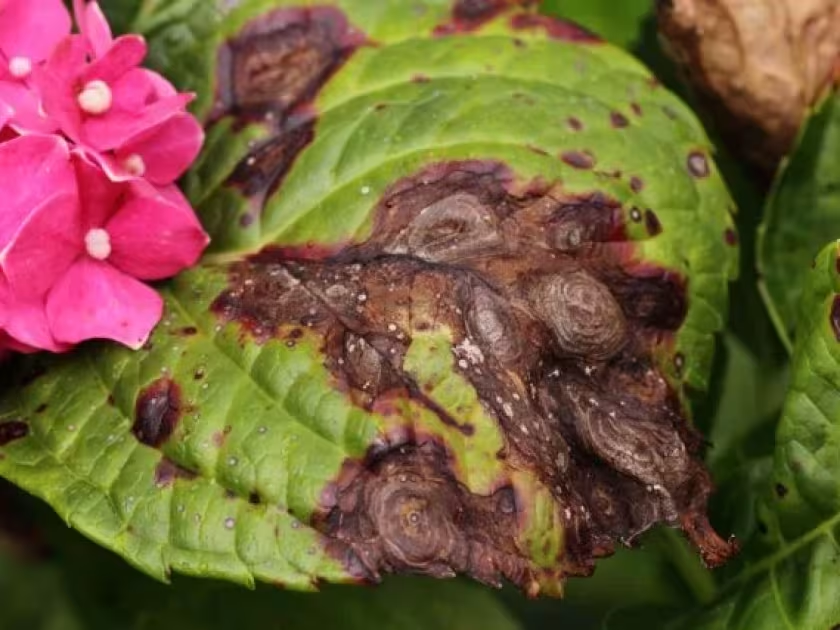
The initial symptoms of pleosporosis appear as small spots on leaves and stems. These spots are typically yellow, brown, or grayish-brown, often surrounded by a distinct darker margin as the necrotic area expands.
As the disease progresses, minute black structures (fruiting bodies) develop in the center of the lesions. Under high humidity, an olive-black or dark powdery layer of conidiophores may become visible on the surface of the infected tissue.
Infected tissues eventually dry out and become necrotic, leading to leaf curling, chlorosis, and premature senescence. This drastically reduces the plant's photosynthetic surface area, which is vital for crop yield and overall vigor.
On stems, the disease manifests as elongated necrotic stripes or lesions. These can eventually lead to girdling of the stems, causing structural weakness, breakage, and impaired nutrient transport throughout the plant.
Some species within the Pleosporaceae family cause zonal spotting, where alternating light and dark concentric rings appear within the lesions. This zonation is particularly visible during periods of fluctuating humidity levels.
Pathogen
The pathogens of pleosporosis are fungi belonging to the Pleosporaceae family, including major genera such as Pleospora, Stemphylium, and Alternaria. These are ascomycetes capable of reproducing both asexually through conidia and sexually via perithecia.
The fungal mycelium invades host plant tissues, degrading cellular walls through the secretion of specialized enzymes. The pathogen can survive for long periods in soil, crop residues, or seeds, waiting for favorable environmental conditions to trigger development.
The life cycle of the fungus is tightly linked to seasonal shifts. After overwintering, perithecia mature during the spring, releasing ascospores that are easily disseminated by wind and water, leading to the primary infection of young plant organs.
The host range is broad, affecting cereals, vegetables (particularly onions), fruit trees, and ornamental plants. High adaptability allows these fungi to thrive in diverse ecological niches, making the disease a persistent challenge in many agricultural systems.
Biological resilience is a hallmark of the Pleosporaceae family. Their spores and perithecia are well-protected against environmental extremes, allowing them to withstand frost and prolonged dry spells while maintaining their viability.
Conditions for development
High humidity and prolonged periods of rainfall are the primary drivers of pleosporosis. These conditions facilitate spore germination and provide the necessary surface moisture for the pathogen to successfully penetrate plant tissues.
While the optimal temperature range for most species is between +18°C and +25°C, these fungi demonstrate significant phenotypic plasticity. They can remain active and pathogenic across a broad temperature spectrum, extending their infection window.
High plant density and poor air circulation are major agronomic factors contributing to disease outbreaks. In greenhouse settings, stagnant air and trapped humidity create the perfect microclimate for rapid fungal colonization.
Leaf wetness duration is critical for successful infection. Overhead irrigation is frequently identified as a significant risk factor, as it mimics natural rainfall and promotes the spread of inoculum from the soil to the upper parts of the plant.
Nutritional imbalances, specifically potassium deficiency and excessive nitrogen fertilization, weaken plant immunity. Weakened plants are less capable of defending themselves against fungal invasion compared to those receiving balanced fertilization.
Why it matters
Pleosporosis causes substantial economic losses by reducing crop productivity and quality. Damage to vegetative parts limits biomass accumulation, directly impacting the harvest potential of affected fields.
For cereal crops, the disease leads to shriveled grains and reduced germination rates. Infected seeds serve as a reservoir for the pathogen, perpetuating the cycle of infection and complicating subsequent cultivation efforts.
Vegetable crops suffer from cosmetic damage, which lowers their market value, and increased susceptibility to post-harvest decay. This significantly reduces the storage life and profitability of the produce.
- Reduced crop yields due to premature leaf senescence and death.
- Decreased grain quality and lower marketability of fruit/vegetables.
- Increased production costs due to the need for chemical control measures.
- Potential loss of entire shipments during storage or transport due to rot.
The accumulation of inoculum in the soil creates a long-term problem. Repeated cultivation of susceptible crops on the same site leads to a high infection pressure, necessitating rigorous management and long rotations to mitigate risk.
Protection
Effective management of pleosporosis relies on an integrated approach. Crop rotation, ensuring that susceptible species are not grown on the same land for at least three years, is essential for reducing soil-borne inoculum levels.
Sanitation practices after harvest are crucial. Removing and destroying crop debris or deep-plowing the soil helps eliminate the fungal overwintering sites, significantly curbing the potential for primary infection in the following season.
Utilizing resistant or tolerant cultivars and ensuring the use of high-quality, treated seed is the foundation of disease prevention. Seed treatment effectively blocks the pathogen from infecting seedlings during early development.
Chemical control using fungicides such as triazoles, strobilurins, or benzimidazoles is effective when applied during the early onset of symptoms. Strategic timing of these applications is necessary to optimize efficacy while protecting the foliage.
Improving the growing environment is a key non-chemical strategy. This includes optimizing plant spacing for better airflow and adopting drip irrigation methods to avoid wetting leaves, thereby depriving the fungus of its required moisture.
Discussion
No discussions yet — be the first.