
Plectosporium blight
Plectosporium
Description
Symptoms
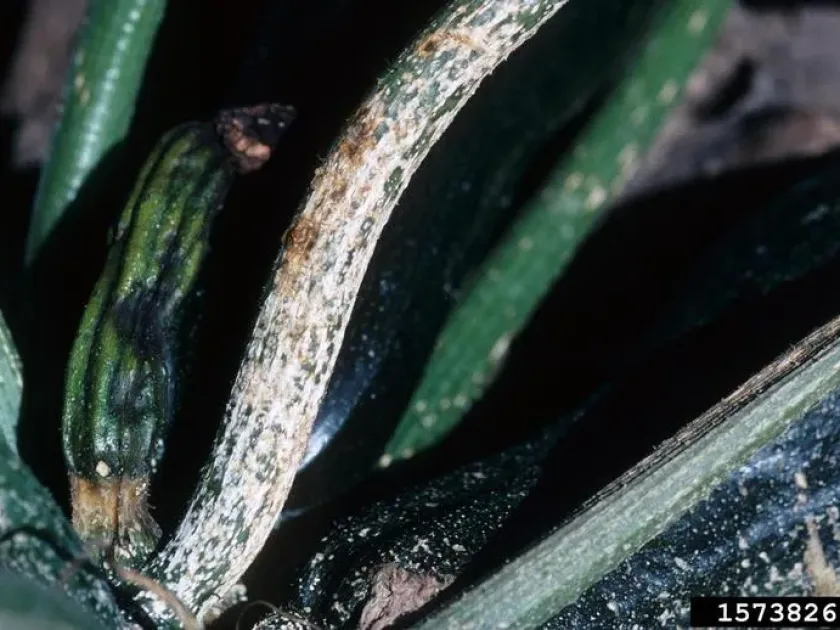
Initial symptoms are characterized by small, white to beige, spindle-shaped or elliptical spots that appear on the leaves, petioles, and stems of susceptible plants.
As the infection progresses, these spots coalesce into larger, elongated lesions which eventually cause the plant tissue to crack, weakening the structure of the stems.
On the fruits, the fungus causes sunken, light-colored spots that significantly reduce the aesthetic appeal and marketability of the harvested produce.
Under high humidity conditions, a sparse, whitish fungal growth (conidiation) can be observed on the affected areas, serving as a diagnostic feature of the disease.
Severe infestations cause rapid wilting of leaves and premature senescence, significantly reducing the plant's ability to photosynthesize and develop healthy fruits.
Pathogen
The causal agent of this disease is the fungus Plectosporium tabacinum (formerly known as Microdochium tabacinum), which belongs to the class of hyphomycetes.
The pathogen produces chlamydospores that allow it to survive in the soil for several years, making it a persistent threat in agricultural fields where it has been previously detected.
Infection starts primarily from crop debris remaining in the field, where the fungus overwinters and produces conidia during the subsequent growing season.
The spores are easily dispersed by rain splashes, irrigation water, wind, and contaminated farm equipment, facilitating rapid spread across commercial plantations.
Although it is a polyphagous fungus, its primary economic impact is observed in the Cucurbitaceae family, causing significant damage to pumpkins, squash, and cucumbers.
Conditions for development
The development of Plectosporium blight is favored by cool to moderate temperatures and high humidity, conditions often found in temperate climates or rainy seasons.
The optimal temperature range for the pathogen's activity is between +20°C and +25°C, though it remains viable across a wider range of conditions.
Dense planting patterns that limit air circulation exacerbate the disease by keeping plant surfaces wet for extended periods, facilitating easier spore germination.
Continuous monocropping and inadequate field sanitation are major drivers for the buildup of the fungal inoculum in the topsoil layers.
Mechanical damage to plant tissue during regular field operations or due to adverse weather events creates entry points for the fungus, speeding up the colonization process.
Why it matters
Plectosporium blight causes substantial yield losses, particularly in fields with high humidity or during seasons with prolonged wet weather that prevents timely treatment.
The presence of lesions on fruits makes them susceptible to secondary bacterial and fungal infections, often leading to rapid rot during post-harvest storage.
Structural damage to the stems restricts the transport of nutrients and water, causing stunted plant growth and reduced vigor throughout the growing cycle.
The economic impact includes both direct losses of marketable yield and the increased cost of necessary fungicidal applications required to control the spread of the pathogen.
The disease poses a long-term management challenge because once a field is contaminated, the pathogen remains in the soil for several seasons, complicating crop rotation planning.
Protection
The most crucial cultural practice is strict field sanitation, which involves the removal and deep incorporation of all plant debris into the soil immediately after harvest.
Implementing long-term crop rotation schemes using non-host crops is essential to reduce the level of inoculum present in the field and prevent repetitive infection cycles.
Using certified, disease-free seed and selecting resistant or tolerant varieties of cucurbits are the primary defensive strategies against this fungal pathogen.
Chemical control involving systemic or contact fungicides should be applied preventively or upon the very first appearance of symptoms to effectively stop the disease spread.
Incorporating biological agents, such as Trichoderma harzianum, into the soil management strategy can help suppress the survival of the fungus and improve overall plant health.
Discussion
No discussions yet — be the first.