
Plasmodiophoromycetes
Plasmodiophoromycetes
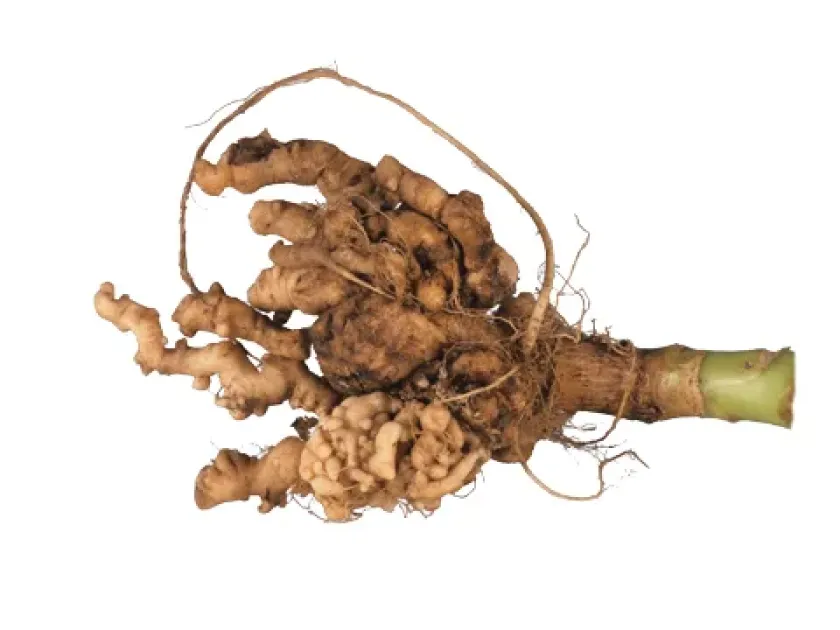
Description
Symptoms
Visual symptoms on the roots include irregular, warty, or spindle-shaped galls. These structures can range from small nodules to massive, malformed masses that completely replace the functional root system.
Above-ground, plants exhibit chlorosis (yellowing of leaves), severe wilting during hot periods, and generally reduced growth rates due to the inability of the damaged root system to uptake water and nutrients efficiently.
In mature crops, patches of stunted or prematurely dying plants are common indicators of a soil-borne infestation, often following the topography of the field or areas where water accumulates.
Internal inspection of the galls often reveals a spongy texture that can progress to rot, as secondary bacteria and fungi colonize the damaged plant tissue, eventually leading to a foul odor.
The severity of symptoms often correlates with the inoculum density in the soil and the environmental conditions prevalent during the early stages of plant development.
Pathogen
Plasmodiophoromycetes are a group of obligate endoparasitic organisms, previously classified as slime molds, that cause significant diseases in various agricultural crops. They are characterized by a complex lifecycle, involving the formation of biflagellate zoospores that swim through soil water to locate host roots.
The primary symptom of infection is the development of galls and tumors on the root system. This is triggered by the pathogen's ability to manipulate the host's hormonal balance, resulting in abnormal cell division (hyperplasia) and cell enlargement (hypertrophy).
These pathogens persist in the soil for many years as dormant spores, which are remarkably resistant to environmental stressors such as drought, freezing, and common soil disinfectants, making them persistent soil-borne threats.
The infection cycle begins when zoospores encyst on root hairs, penetrate the root, and form a plasmodium. This plasmodium absorbs nutrients directly from the host cells, causing the plant to become weak and stunted.
As the infected tissues break down, millions of new resting spores are released back into the soil, creating a long-term reservoir of infection that can affect subsequent crops for decades if left unmanaged.
Conditions for development
High soil moisture is the primary driver for infection, as zoospores require a film of water to migrate through soil pores and reach the root surfaces of susceptible hosts.
The disease development is heavily influenced by soil pH; acid soils (pH below 6.0) significantly promote the germination and activity of Plasmodiophoromycetes spores compared to neutral or alkaline soils.
Optimal temperatures for infection usually range between 18°C and 25°C, though the pathogen can survive and occasionally cause disease under a wider range of conditions if moisture is abundant.
Poorly drained or compacted soils create an ideal environment for the pathogen to thrive and spread, as stagnant water prevents oxygenation and favors the mobility of zoospores.
Continuous cropping of susceptible host species, particularly in the Brassicaceae family, allows the pathogen population to build up rapidly to levels that cause economic crop failure.
Why it matters
The economic impact of Plasmodiophoromycetes is severe, often resulting in complete loss of marketable yield due to stunted growth and deformed root systems that cannot support healthy plant development.
Affected fields may become unusable for susceptible crops for 7 to 10 years, forcing farmers to make significant changes to their long-term crop rotation plans.
The physical damage to the root system increases susceptibility to secondary soil-borne pathogens, leading to further complications in crop health and reduced plant vigor.
Increased production costs are incurred through the necessary application of lime for soil pH adjustment and the use of specialized, often more expensive, resistant cultivars.
The long-term persistence of resting spores in the soil ensures that the disease can re-emerge whenever the environmental conditions align and susceptible hosts are planted.
Protection
Management strategies focus on a multi-pronged approach, starting with long-term crop rotation to exhaust the population of resting spores in the absence of a host plant.
Soil liming is a critical intervention; raising the pH to above 7.0 makes the soil environment hostile for spore germination and significantly limits the spread of the disease.
Planting resistant or tolerant cultivars is the most effective genetic strategy for managing the disease in fields with known history of infection.
- Improving soil drainage through tile systems or raised beds to prevent waterlogging.
- Rigorous sanitation of equipment and tools to prevent the movement of contaminated soil between fields.
- Early removal and destruction of infected plant material to prevent further inoculum release.
Biological control agents, such as specific soil bacteria and fungi, are increasingly used in integrated management to suppress the activity of Plasmodiophoromycetes in the rhizosphere.
Discussion
No discussions yet — be the first.