
Pilidiella
Pilidiella
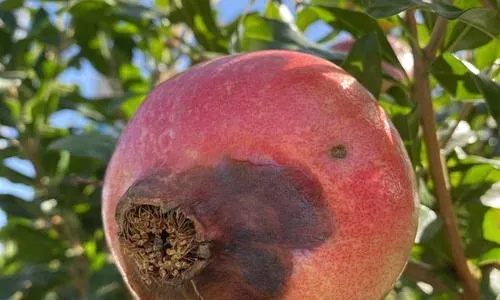
Description
Symptoms
The most common symptoms include localized necrotic lesions on leaves, stems, and fruits, which often exhibit a distinct brownish-red discoloration.
Small, dark, pin-like structures, which are the fungal fruiting bodies (pycnidia), can often be seen embedded in the necrotic tissue during humid conditions.
In fruits, infection typically starts as a soft or firm rot that spreads rapidly, often resulting in the complete collapse of the fruit structure.
Stem cankers may appear as sunken, dark areas of bark that can lead to wilting of the foliage above the infection point and branch dieback.
Young plants or seedlings infected by Pilidiella often show signs of stunted growth, chlorosis, and in severe cases, total seedling blight.
Pathogen
The disease is caused by fungi belonging to the genus Pilidiella, which are recognized as significant plant pathogens in various agricultural and horticultural systems.
These fungi act as opportunists or necrotrophs, colonizing plant tissues and deriving nutrients from damaged or weakened host cells.
The reproductive strategy of the pathogen involves the production of pycnidia, small flask-shaped structures that release massive amounts of asexual spores called conidia.
The pathogen can survive in soil, leaf litter, and infected plant debris, making it a persistent challenge for farmers and gardeners to manage year-round.
Fungal hyphae colonize the plant's vascular and parenchymal tissues, secreting enzymes that lead to cellular breakdown and eventual tissue necrosis.
Conditions for development
Development of the disease is highly favored by environments with high humidity, frequent rainfall, or overhead irrigation systems.
Temperatures between 20°C and 28°C provide the optimal range for the rapid germination of conidia and the subsequent colonization of host tissues.
Plant density is a critical factor; overcrowded conditions prevent airflow, increasing the period during which leaf surfaces remain wet after rain or dew.
Plants suffering from stress due to nutrient deficiencies, drought, or insect damage are significantly more susceptible to infection by Pilidiella.
Wind, splashing water, and movement of infected tools are the primary methods for the short and long-range dispersal of fungal spores.
Why it matters
The disease causes substantial economic losses by reducing the yield and quality of marketable produce, particularly in high-value fruit and berry crops.
Premature leaf loss can significantly impair the photosynthetic capacity of the plant, leading to reduced vigor and weakened development for the following season.
In woody plants, the progression of stem and branch cankers can kill significant portions of the canopy, necessitating drastic pruning measures.
Post-harvest decay is a major concern, as latent infections on fruit can manifest as severe rotting during storage, transport, or marketing stages.
Increased expenditures on chemical fungicides and labor-intensive sanitation practices are required to manage the disease in commercial agricultural operations.
Protection
Sanitation is the cornerstone of Pilidiella management, requiring the immediate removal and destruction of all symptomatic plant parts.
Preventative fungicide applications, particularly during early growth stages or periods of wet weather, are essential for controlling primary infections.
Promoting good orchard or field hygiene, including weed control and proper pruning to enhance air circulation, helps minimize the disease pressure.
Fertilization regimes should be managed to ensure strong plant health without encouraging excessive, succulent growth that is more prone to invasion.
- Maintain proper plant spacing for improved ventilation.
- Disinfect pruning equipment between individual plants.
- Implement an integrated pest management program to minimize wounds.
Discussion
No discussions yet — be the first.