
Phytomyxea
Phytomyxea
Description
Symptoms
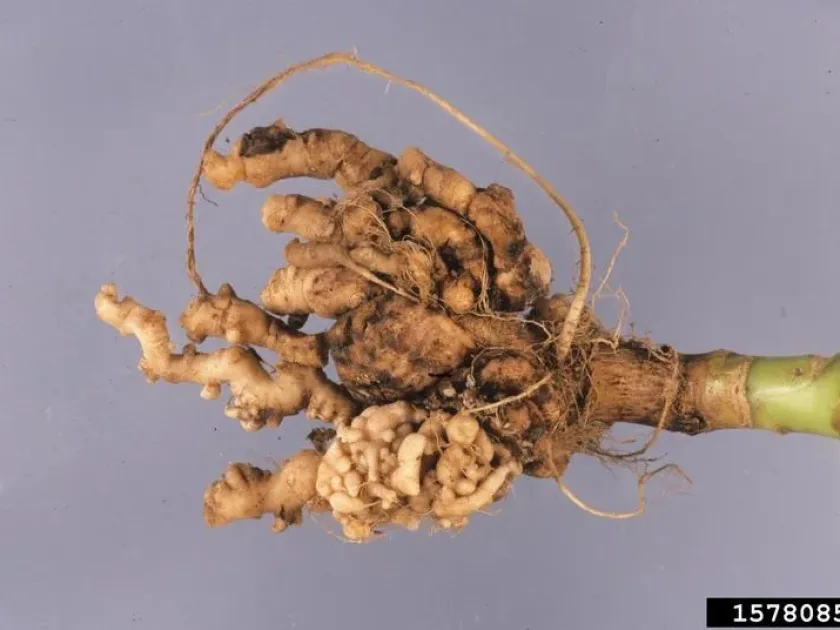
The most distinctive symptom of infection is the development of abnormal, knobby tumors or galls on the root system of affected plants.
Infected plants typically show signs of stunting, wilting during the warmer parts of the day, and overall poor vigor compared to healthy neighbors.
Leaves may show yellowing or discoloration, and plants often fail to produce marketable produce such as heads, tubers, or fleshy roots.
As the galls age, they often begin to decay due to the action of secondary rot-causing bacteria and fungi, creating a putrid odor in the root zone.
The overall structure of the root system is destroyed, leaving the plant unable to efficiently absorb water and essential nutrients from the soil.
Pathogen
Phytomyxea is a class of obligate parasitic organisms that are primarily known for causing serious diseases in agricultural crops, such as clubroot.
These organisms exist as microscopic pathogens that infiltrate plant roots and manipulate the host cells to facilitate their own reproduction and growth.
The life cycle involves the release of motile zoospores that navigate through soil moisture to reach the root hair surfaces of potential host plants.
Upon entry, the pathogen induces uncontrolled cell division in the host tissue, leading to the formation of characteristic galls and massive root swellings.
They can survive in the soil for years by forming durable resting spores, which ensures the pathogen persists even in the absence of a host crop.
Conditions for development
Low pH levels in the soil are the primary driver for the development and proliferation of Phytomyxea, making acidic soils highly prone to infection.
High soil moisture and waterlogged conditions are critical, as zoospores require a continuous film of water to move and infect new roots.
Moderate temperatures ranging from 15 to 25 degrees Celsius are ideal for the rapid progression of the pathogen within the plant tissues.
Intensive monoculture practices contribute to the accumulation of resting spores in the soil, significantly increasing the risk of recurring outbreaks.
Spread across fields often occurs via contaminated soil on machinery, movement of infested plant debris, or the use of infected seedlings from contaminated nurseries.
Why it matters
The primary harm is a significant reduction in yield quantity and quality, often resulting in complete crop loss in heavily infested areas.
Infected crops are highly vulnerable to secondary opportunistic infections, which further degrade the quality of the harvested produce.
Economic impact is severe because soil decontamination is difficult and expensive, often necessitating the abandonment of the field for several years.
Losses also include the extra cost of monitoring, testing soil for the presence of pathogens, and implementing expensive control measures.
The disease limits the diversity of crops that can be grown on the site, forcing farmers to choose less profitable or less desirable cultivars.
Protection
Crop rotation with non-host species is the most reliable method to reduce the population of resting spores in the soil over time.
Soil management through liming is a standard practice to increase the pH level and create an environment that inhibits the activity of the pathogen.
Ensuring the use of certified, disease-free transplants is vital for preventing the introduction of the pathogen into clean cultivation areas.
Sanitation of agricultural tools and boots between field visits prevents the mechanical transfer of infested soil particles.
- Utilizing resistant cultivars when available
- Improving soil drainage to prevent waterlogging
- Systematic removal of weeds that can host the disease
Discussion
No discussions yet — be the first.