
Phytomonas
Phytomonas
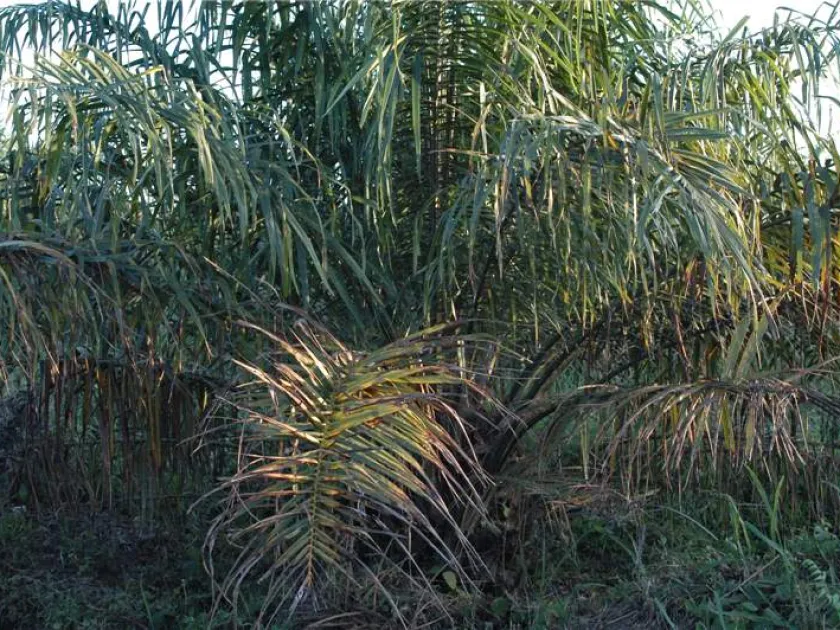
Description
Symptoms
The primary symptom of Phytomonas infection is the wilting of branches or the entire plant, often accompanied by necrotic tissue lesions.
Leaves frequently turn yellow starting from the apex, followed by the deformation of fruit and premature fruit drop.
The obstruction of the phloem by the parasite interrupts the transport of nutrients, leading to systemic metabolic decline and stunted growth.
Cross-sections of stems or petioles may reveal a brownish discoloration of the vascular bundles, indicating pathogen localization.
In advanced stages, the disease may manifest as longitudinal cracking of the bark or deep ulcers on stems through which exudate may leak.
Pathogen
Phytomonas is an infectious disease of plants caused by parasitic flagellated protozoa of the genus Phytomonas (phylum Sarcomastigophora).
These pathogens are members of the trypanosomatid group that have evolved to live within the phloem and laticiferous vessels of various vascular plants.
Unlike bacteria or fungi, Phytomonas are eukaryotic cells that can move actively through the host's tissues using their flagellum.
The infection is transmitted primarily by hemipteran insects, such as plant bugs, which ingest the pathogen while feeding on infected sap.
The parasite's biological cycle involves multiplication within both the insect vector and the vascular system of the host plant.
Conditions for development
The spread of Phytomonas depends heavily on the population density of insect vectors, as they are the primary mechanism for transmission between plants.
High humidity and moderate temperatures favor both the activity of the vectors and the multiplication of the parasites within the host.
Weedy fields act as natural reservoirs for these insect vectors, significantly increasing the risk of infection in cultivated crops.
Environmental stress, such as drought or mineral deficiency, makes the plants more susceptible to the entry and colonization of the pathogen.
Outbreaks often coincide with the peak seasonal activity of plant bugs during the active growing stages of the crop.
Why it matters
Phytomonas poses a major threat to several economically important tropical and subtropical crops, including coffee, oil palm, and coconut palms.
The disease can lead to the total loss of plantations, causing severe economic damage to agricultural production and local livelihoods.
Yield loss occurs due to the impairment of photosynthesis and the inability to deliver essential nutrients to the developing fruit.
Affected plants are severely weakened and become highly susceptible to secondary infections, which often finalize the destruction of the crop.
The systemic nature of the pathogen and the difficulty of early diagnosis often make management efforts ineffective once the symptoms are visible.
Protection
The primary management strategy is the control of insect vector populations through the strategic use of systemic insecticides.
Sanitation measures, including the pruning and destruction of highly infected plants, are essential to break the pathogen's transmission cycle.
Maintaining proper spatial isolation between new plantings and older, potentially infected sites is critical to prevent spread.
Breeding and planting varieties with resistance to Phytomonas is considered the most sustainable long-term solution for crop protection.
- Regular monitoring of insect vector activity in the field.
- Use of certified, disease-free planting material.
- Integrated weed management to reduce insect reservoir hosts.
Discussion
No discussions yet — be the first.