
Physarum braunianum
Physarum braunianum
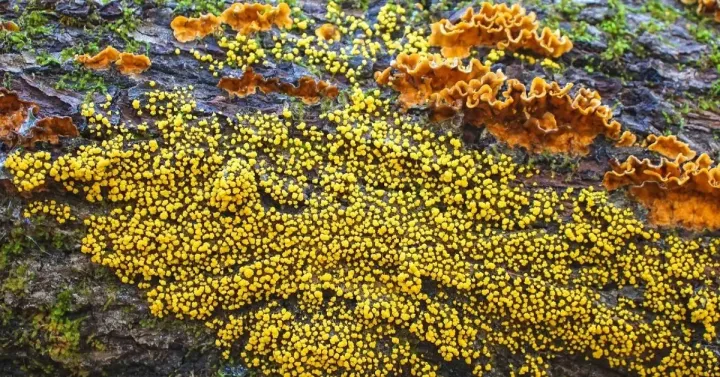
Description
Symptoms
The primary visual sign of infestation is the appearance of a white, yellow, or brownish slimy film on the surface of leaves, stems, or the soil.
Over time, the slime transforms into dry, fragile structures known as sporangia. These may appear as tiny beads or net-like growths tightly attached to the plant epidermis.
Affected plant parts often lose their aesthetic appeal, though primary tissue necrosis may be absent if the slime mold does not block sunlight for too long.
During mass development, slime mold colonies often resemble spilled paint or thick foam, which gradually dries and disintegrates upon mechanical impact.
- Viscous slime appearing in the root zone.
- Presence of dry, dusty structures on the lower stem.
- Slowed photosynthesis due to physical blockage of the leaf surface.
Pathogen
Physarum braunianum is a member of the myxomycete group, commonly known as slime molds. It is not a traditional fungus but a plasmodial organism that, in its active phase, exists as a multinucleate protoplasm capable of amoeboid movement.
The life cycle of this organism includes a plasmodium stage that feeds on organic debris, bacteria, and fungal spores. Under unfavorable conditions, the plasmodium transforms into sporocarps (sporangia) where spores are formed for dissemination.
This species is classified as a saprotroph; however, in agronomy, it is often grouped with "false" plant diseases because the plasmodium envelops stems and leaves of crops.
Unlike phytopathogenic fungi, Physarum does not penetrate deep into plant tissues, primarily using the host as a substrate for support and mobility.
Pathogen identification is primarily performed using microscopic analysis, examining the structure of sporangia and the unique morphological features of the spores.
Conditions for development
The development of Physarum braunianum depends directly on the ambient humidity. High air humidity, exceeding 85%, is an optimal condition for the active growth of the plasmodium.
A temperature range of +18 to +25 degrees Celsius facilitates the fastest possible spread of the organism across the substrate.
Outbreaks are most frequently observed in greenhouses with poor ventilation, as well as in open fields during periods of prolonged rainfall or excessive irrigation.
The presence of abundant decaying organic matter, fallen leaves, and mulch near plant stems creates an ideal microclimate for myxomycete reproduction.
Lack of air circulation and dense planting density promote moisture retention, allowing Physarum colonies to colonize new areas more rapidly.
Why it matters
Physarum braunianum rarely causes direct toxic damage to plants; however, its presence creates significant barriers to normal plant physiological processes.
The primary danger lies in the blockage of plant stomata, which leads to impaired gas exchange and transpiration, thereby lowering the plant's overall immune response.
In the ornamental horticulture and greenhouse industry, slime mold infestation leads to a significant loss of product marketability, rendering it unsuitable for sale.
Prolonged contact of the slime with young leaves can cause deformation and eventual death due to local tissue hypoxia.
The disruption of the microclimate caused by spreading colonies often triggers secondary infections of weakened plants by pathogenic fungi such as gray mold.
Protection
The primary control method is the normalization of humidity levels. Regular ventilation of greenhouses and optimization of irrigation schedules to prevent waterlogging are highly recommended.
Important preventive measures include the timely removal of plant debris, which serves as a nutrient base for the plasmodium.
In cases of local slime mold appearance, mechanical cleaning of affected areas followed by disinfection of tools and plant surfaces with weak fungicide or antiseptic solutions is effective.
The use of copper-based preparations helps limit the spread of spores and plasmodium development by creating an unfavorable environment for the myxomycete.
Implementing drainage systems and mulching with materials that do not retain moisture at the base of the stem significantly reduces the risk of disease outbreak.
Discussion
No discussions yet — be the first.