
Description
Symptoms
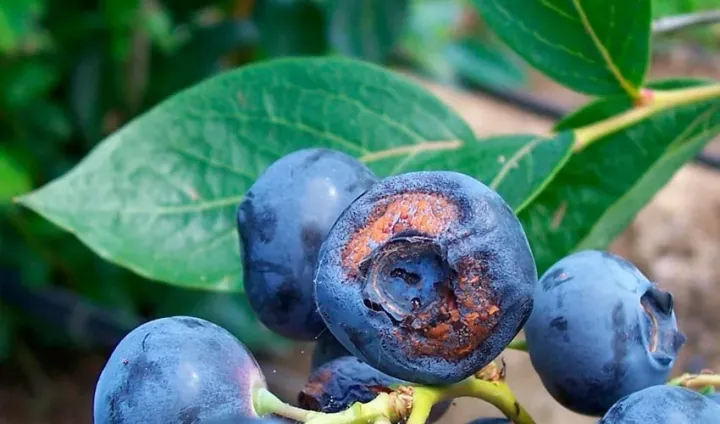
The primary symptom of this disease in cranberries is the appearance of distinct spots on the foliage, which typically exhibit a rounded or irregular shape.
These spots generally range in color from light gray to light brown and are frequently bordered by a dark brown or reddish-purple halo.
As the infection progresses, small black fruiting bodies known as pycnidia develop within the centers of the lesions, serving as sources for spore production.
The disease typically manifests first on the older leaves in the lower parts of the canopy where the microclimate remains more humid and stagnant.
Severe infestations often result in widespread leaf chlorosis and premature leaf drop, which significantly weakens the overall vigor of the cranberry plants.
Pathogen
The causal agent of this disease is the fungus Botryosphaeria vaccinii, an ascomycete known for infecting various Vaccinium species, including cranberries.
This pathogen persists in the environment by surviving on infected leaf debris and necrotic plant tissue throughout the dormant winter months.
The fungus invades host tissues through various entry points, such as stomata or accidental mechanical wounds created during field management activities.
The life cycle of the pathogen is highly dependent on environmental variables, with spores being disseminated primarily by wind and splashing water from rain.
Its ability to remain viable in soil organic matter makes long-term sanitation essential for breaking the infection cycle in commercial cranberry bogs.
Conditions for development
The development of the fungus is strongly favored by periods of prolonged high relative humidity and frequent rainfall during the active growing season.
Dense plant canopies that lack sufficient airflow create a microenvironment with persistent moisture, which is ideal for the germination of fungal spores.
Temperature plays a crucial role, with moderate to warm conditions often accelerating the rate of infection and the subsequent development of lesions.
Poor field hygiene, such as the accumulation of weeds or plant residues, further encourages the build-up of inoculum and high humidity levels.
Stressed plants, whether due to nutrient imbalances or water management issues, often exhibit increased susceptibility to Botryosphaeria vaccinii infection.
Why it matters
Phyllosticta leaf spot causes significant damage to commercial production by reducing the total photosynthetic area available to the cranberry plant.
A reduction in photosynthetic capacity directly impacts the plant's ability to store energy, leading to decreased berry yield and reduced fruit size.
Premature defoliation caused by the pathogen significantly depletes the plant's carbohydrate reserves, making the vines more vulnerable to winter cold injury.
Chronic infections can degrade the health of the entire cranberry bed, eventually necessitating costly replanting if the pathogen becomes well-established.
Though the fruit itself may not always show direct lesions, the overall physiological decline of the plants negatively affects long-term profitability.
Protection
Rigorous sanitation remains the most critical management practice, involving the regular removal and destruction of fallen leaves to eliminate wintering spores.
Maintaining proper bed drainage and avoiding excessive overhead irrigation can help reduce the duration of leaf wetness and limit pathogen development.
Fungicide applications, particularly those utilizing copper-based or systemic compounds, are effective when applied during periods conducive to infection.
Cultural practices such as weed control and canopy management are vital to ensure adequate air circulation and reduce favorable conditions for fungal growth.
- Monitor cranberry beds regularly for early detection of spot lesions.
- Use certified disease-free planting stock for new installations.
- Apply preventative fungicide sprays before expected rainy periods.
- Prune vines to manage density and improve air penetration.
Pathogens and affected parts
Affects crops · 1
Discussion
No discussions yet — be the first.