
Phyllariosis
Phyllaria
Description
Symptoms
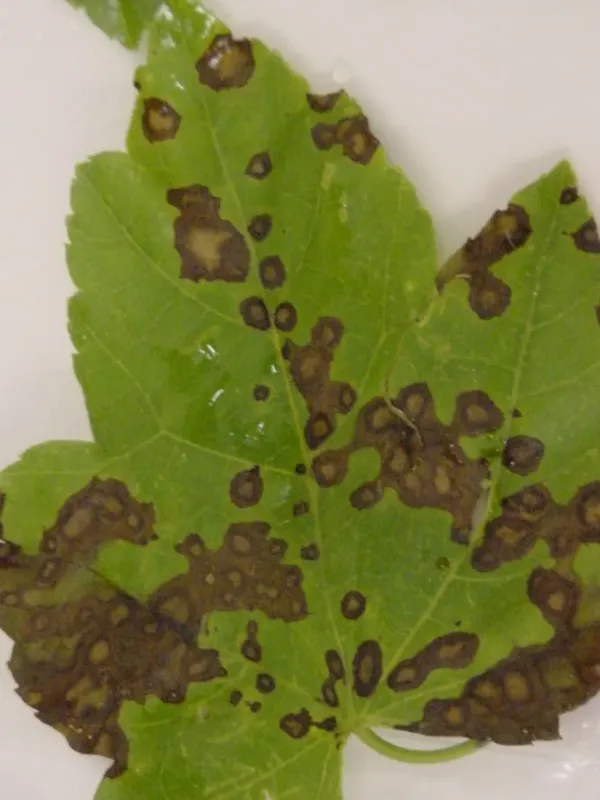
Phyllariosis is characterized by the appearance of distinct lesions on leaves and stems. These spots initially appear pale or chlorotic, progressively turning brown or necrotic.
In the center of the necrotic spots, small, dark fruiting bodies (pycnidia) can often be seen with the naked eye, indicating the active sporulation of the fungus.
As the infection spreads, the spots often merge, leading to extensive tissue death and premature leaf drop, which significantly weakens the host plant.
In some cases, the infection causes deformation of young shoots and stems, which can inhibit the overall structural development of the plant.
Fruits may also become infected, showing sunken, discolored lesions that reduce their market value and make them susceptible to secondary rot pathogens.
Pathogen
The disease is caused by fungal organisms belonging to the genus Phyllaria, typically categorized as deuteromycetes (imperfect fungi).
The fungus functions as an opportunistic parasite, colonizing host tissues through stomata or mechanical wounds on the plant epidermis.
The vegetative mycelium spreads intracellularly, secreting enzymes that degrade plant tissues to extract nutrients for the fungus's life cycle.
Reproduction is primarily achieved through the production of conidia within pycnidia, which are then dispersed by water splashes or wind.
The fungus is capable of overwintering in plant debris or soil, ensuring the persistence of the inoculum from one growing season to the next.
Conditions for development
High relative humidity and frequent rainfall are the primary drivers of phyllariosis outbreaks, as they facilitate the germination of fungal spores.
Moderate temperatures ranging between 18°C and 25°C provide an ideal environment for the rapid colonization and sporulation of the pathogen.
Poor air circulation within dense canopies creates a microclimate with prolonged leaf wetness, which is highly conducive to disease establishment.
Stress factors such as nutritional deficiency or pest damage weaken the host's natural defenses, making plants more susceptible to initial infection.
The spread of the disease is often accelerated by the splashing of water during rainfall, which moves spores from lower leaves to the upper canopy.
Why it matters
The primary impact of phyllariosis is the reduction of the leaf surface area available for photosynthesis, leading to stunted plant growth and reduced vigor.
Economic losses arise from both the decline in harvest quality and the increased expenditure on defensive measures required to manage the infection.
In perennial crops, the disease can lead to chronic decline and loss of cold hardiness, potentially causing plant mortality after harsh winters.
Infected plant debris serves as a continuous source of inoculum, making it difficult to manage the disease in subsequent growing years.
Severe infestations can lead to total crop failure if left unchecked, as the foliage is critical for the development and maturation of the plant's fruit.
Protection
Sanitation is the cornerstone of control; all infected leaves and plant debris must be collected and destroyed to reduce the inoculum load in the field.
The application of contact or systemic fungicides is recommended during the early stages of the season to prevent the onset of the infection.
Improving air circulation through proper pruning and planting spacing is essential to minimize the duration of leaf wetness and disease spread.
Maintaining optimal plant health through balanced fertilization and proper irrigation helps enhance the natural resistance of the crops.
Rotating crops and selecting resistant varieties are effective long-term strategies to minimize the risk and impact of phyllariosis in commercial cultivation.
Discussion
No discussions yet — be the first.