
Phaeothamniophyceae
Phaeothamniophyceae
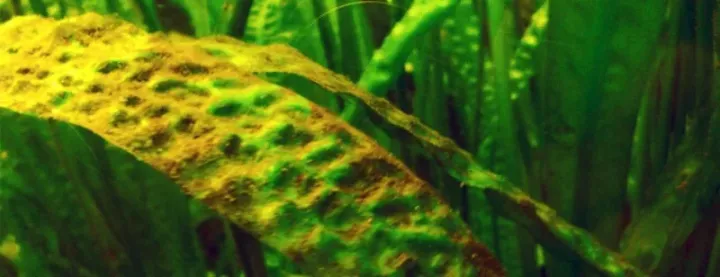
Description
Pathogen
Phaeothamniophyceae is a class of golden-brown algae that can behave as a significant nuisance or pathogen in intensive agricultural systems, particularly in greenhouses and hydroponics.
These organisms possess unique physiological traits that allow them to thrive in wet environments, where they often form extensive biofilms on surfaces.
The disease is categorized by the rapid colonization of plant surfaces, inhibiting the normal physiological functions of the plant, such as respiration and transpiration.
Their biological cycle includes motile stages, which facilitate fast transmission through irrigation water and contaminated tools, making them difficult to eradicate once established.
Unlike traditional fungi, these algae utilize photosynthesis, which gives them a competitive advantage in well-lit environments, leading to rapid expansion across substrates.
Conditions for development
The primary conditions for the development of Phaeothamniophyceae are high humidity and adequate light, combined with the presence of mineral salts in irrigation systems.
A temperature range between 18°C and 25°C is ideal for their cellular division, allowing them to form thick mats over moist substrates in a very short time.
Excessive levels of dissolved phosphorus and nitrogen in the water serve as a potent nutrient source, accelerating the growth of these algal populations.
Poor ventilation within greenhouses increases the localized humidity on plant surfaces, further promoting the attachment and spread of these organisms.
Any disruption in water aeration systems creates stagnant zones where these algae can establish and multiply without competition from other microorganisms.
Why it matters
The main harm caused by Phaeothamniophyceae is the physical obstruction of plant surfaces, which interferes with stomatal function and reduces overall plant productivity.
In hydroponic setups, the algae envelop the root systems, creating a barrier that limits oxygen uptake and leads to severe root stress and secondary decay.
Visual degradation of leaves and stalks reduces the market value of produce, which is particularly devastating for ornamental crops and leafy greens.
By trapping moisture, the algae create a microclimate that serves as a breeding ground for secondary fungal and bacterial infections.
The persistent stress inflicted on the plants weakens their systemic immunity, making them susceptible to other common agricultural pathogens and pests.
Protection
The most effective strategy involves eliminating the light source for the algae by using opaque materials to cover hydroponic channels and growing substrates.
Maintaining strict hygiene and regular cleaning of irrigation pipes and nursery trays is essential to break the cycle of algal proliferation.
- Optimizing nutrient dosage to prevent runoff.
- Improving airflow to reduce surface humidity.
- Using algae-specific sanitizers in empty systems.
- Implementing light-blocking covers for irrigation channels.
Biological control methods that introduce beneficial microorganisms to compete for space and nutrients are becoming increasingly popular in sustainable farming.
Continuous monitoring of water quality and immediate removal of contaminated plant material are critical to preventing a total system outbreak.
Discussion
No discussions yet — be the first.