
Phaeothamnion
Phaeothamnion
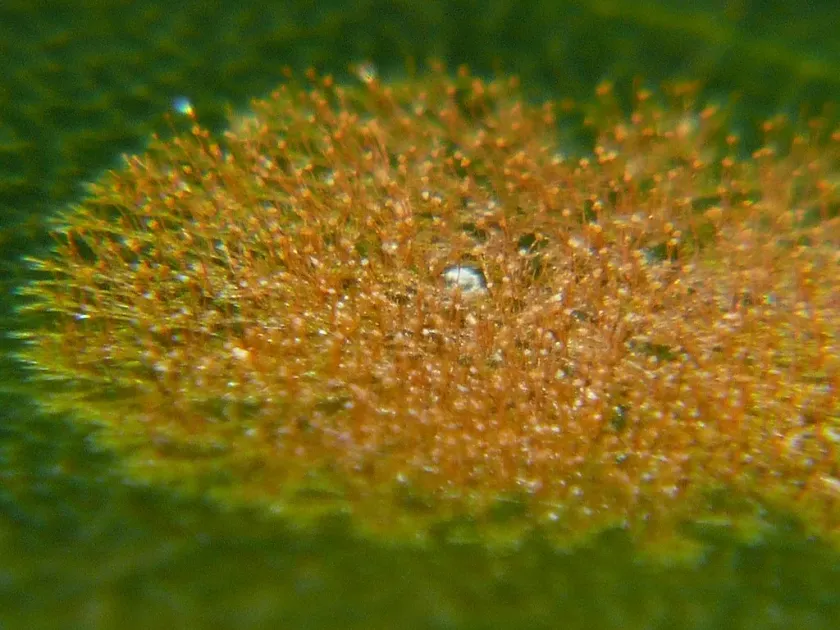
Description
Symptoms
The primary symptom of infestation is the emergence of a distinctive golden-brown, slimy film covering the root systems, growth substrates, and the walls of the nutrient solution reservoirs.
Plants affected by this algal growth often show visible signs of stunted development, as the algae effectively "smother" the root hairs and reduce the surface area available for water absorption.
In addition to visual root changes, the nutrient solution itself may become turbid, indicating a high concentration of algal biomass and the potential for a shift in chemical balance.
Secondary symptoms include systemic chlorosis or wilting, as the plant struggles to compensate for the compromised root function despite adequate moisture availability.
- Golden-brown slime on root surfaces and pipes.
- Clogging of irrigation nozzles, capillaries, and inline filters.
- Visible turbidity and off-odors in the hydroponic reservoir.
- Reduced vigor and delayed development of crops.
- Occasional necrosis of root tips due to oxygen depletion.
Pathogen
Phaeothamnion is a genus of golden-brown algae that can behave as an opportunistic colonizer in horticultural systems, particularly those utilizing hydroponic or aquaponic methods.
As photosynthetic eukaryotes, these organisms thrive in environments where both light and dissolved mineral nutrients are readily available, making them a common issue in indoor growing facilities.
The life cycle of this organism features both motile zoospores, which facilitate rapid spread throughout the irrigation system, and sessile branched colonies that anchor to roots and surfaces.
While not a typical parasitic fungus, its presence on root surfaces disrupts the normal physiological function of the plant, often leading to competitive inhibition of nutrient uptake.
The biological nature of Phaeothamnion allows it to adapt quickly to the artificial conditions of nutrient film technique (NFT) systems or deep water culture setups.
Conditions for development
Excessive exposure of the nutrient solution to light is the most significant driver of Phaeothamnion proliferation, as it provides the energy required for its growth.
High nutrient concentrations, specifically phosphorus and nitrogen, act as fertilizers for the algae, allowing colonies to expand rapidly within the root zone.
Optimal growth temperatures for most Phaeothamnion species typically range between 18°C and 25°C, matching the ideal conditions for many vegetable and ornamental crops.
Poor aeration in the nutrient solution creates stagnant zones that allow zoospores to settle and attach to the root surface more effectively.
Contamination typically enters the system via unfiltered water sources or infected plant material introduced from other areas or contaminated greenhouse equipment.
Why it matters
The presence of Phaeothamnion inflicts damage primarily by creating a physical barrier between the root and the solution, limiting the uptake of essential minerals and water.
Metabolic byproducts of the algae can alter the pH levels of the nutrient solution, leading to secondary nutrient deficiencies and further physiological stress to the plant.
Mechanical harm is also significant, as the accumulation of algal biomass causes severe maintenance issues, including the failure of water pumps and blockage of irrigation lines.
Compromised root health creates a susceptibility to secondary infections, inviting pathogens like Pythium or other rot-inducing bacteria to colonize the root system.
Ultimately, the economic impact is manifested in lower yields, poor-quality crops, and the frequent need for total system cleanouts and reservoir replacements.
Protection
Total light exclusion is the most vital preventive strategy; covering all reservoirs, tanks, and channels prevents the algae from performing photosynthesis.
Installing UV sterilization units in the recirculation loop of the irrigation system is highly effective at destroying motile zoospores before they can spread.
Regular disinfection of the entire system during turnaround cycles using hydrogen peroxide-based solutions effectively clears away dormant colonies and prevents re-infestation.
Managing the nutrient levels and ensuring frequent replenishment of the solution helps prevent the accumulation of minerals that fuel algal growth.
Implementing biological buffers or beneficial microbial inoculants in the rhizosphere can help the plant defend against root-surface colonization by unwanted aquatic organisms.
Discussion
No discussions yet — be the first.