
Brown algae
Phaeophyta
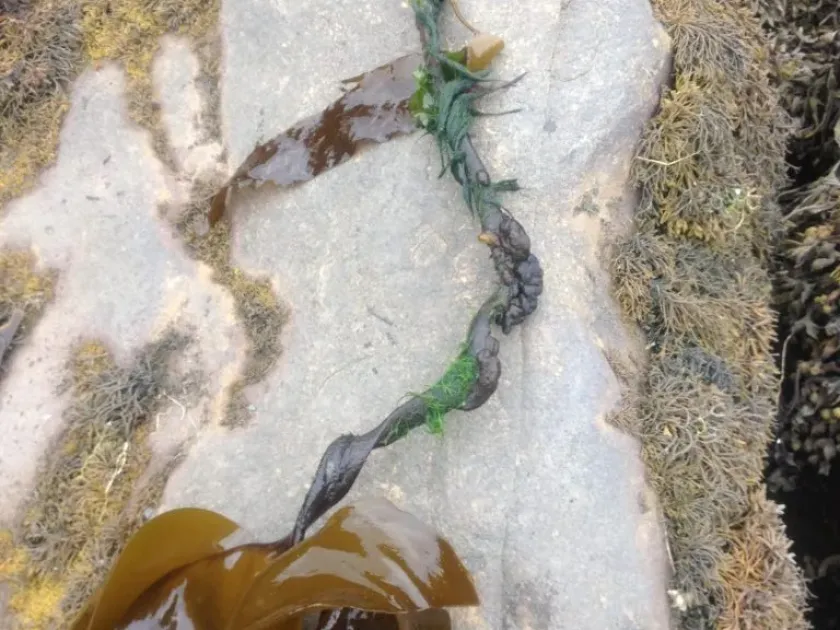
Description
Symptoms
In agronomy, brown algae infestation is characterized by the appearance of a slimy, brownish, or velvety film on the surfaces of plant organs. This algae layer adheres to leaves, stems, and sometimes fruits.
Signs are typically observed in areas with high humidity, such as the lower canopy or shaded zones. The affected areas appear discolored, and the coating can become dense, impeding the plant's normal physiological processes.
When the algal film is removed, it often leaves a moist, discolored patch on the epidermis. Over time, the covered plant tissue may show signs of necrosis or structural weakening due to the lack of proper respiration.
In severe cases, a distinct marshy or stale odor may emanate from the affected parts of the plant. This indicates that the algae are actively metabolizing and interacting with the plant surface in a damp environment.
Diagnostic observation often reveals fine, hair-like structures or colonial growth patterns under a magnifying glass. The presence of these organisms is a clear indicator of persistent moisture issues in the crop environment.
Pathogen
The disease is caused by certain species from the Phaeophyta division that have adapted to an epiphytic lifestyle on land plants. These organisms use the plant as a physical substrate for anchoring and gathering nutrients.
This is considered a surface-level, epiphytic infection. While the algae do not typically penetrate the vascular system deeply, their persistent presence creates a barrier that hinders gas exchange and light absorption.
The reproductive biology of these algae involves the release of zoospores, which are highly mobile in damp conditions. These spores are easily spread by water splashes, wind, or agricultural machinery, leading to rapid colonisation.
Brown algae possess the ability to survive in dormant states, such as cysts, when environmental conditions become unfavorable. This makes eradication difficult in both greenhouse and open-field systems.
It is essential to distinguish between true brown algae and other biofilm-forming organisms, such as cyanobacteria. Correct identification via microscopic examination is crucial for choosing the right management strategy.
Conditions for development
Excessive humidity is the primary driver for brown algae development. When the surfaces of plants remain wet for extended periods, they provide the necessary environment for algal growth.
Poor ventilation and dense plant spacing prevent efficient drying of the leaf canopy. Stagnant air allows moisture to accumulate, creating perfect conditions for spore germination and colony expansion.
Improper irrigation techniques, such as overhead watering during the evening, significantly increase the risk of infestation. Plants that enter the night with wet foliage are highly susceptible to colonisation.
Debris and plant residue on the soil surface provide an excellent base for algae to establish themselves. Maintaining clean field conditions is a critical preventive step against the spread of the disease.
Temperatures ranging from 15 to 25 degrees Celsius are optimal for the growth of these organisms. Sufficient light exposure further fuels their autotrophic activity, leading to rapid biomass accumulation.
Why it matters
The main harm caused by brown algae is the reduction in photosynthetic efficiency. By covering the leaf surface, the algae block stomata, preventing necessary gas exchange and limiting the plant's ability to produce energy.
As the algae proliferate, the plant experiences stunted growth and overall vigor decline. This leads to a measurable decrease in crop yield and can also impact the quality of the fruits or vegetables.
The moist layer created by the algae becomes a breeding ground for secondary pathogens, including various bacteria and fungi that cause rot. This complicates the disease profile of the crop.
Marketability is significantly reduced because the unsightly algal film renders the produce unappealing to consumers. This results in direct economic losses for the farmer during the grading process.
Long-term infestation weakens the plant's immune system, making it more vulnerable to other environmental stresses, such as heat, cold, or drought, and potentially leading to premature plant death.
Protection
The primary control strategy involves improving the microclimate around the plants. Adjusting irrigation timing to morning hours allows foliage to dry out quickly during the day.
Improving airflow through thinning and proper spacing is essential to reduce humidity. Removing plant debris from the ground surface eliminates the primary source of inoculum.
When necessary, the application of copper-based fungicides or approved algaecides can help manage the infestation. It is important to follow all label instructions to avoid phytotoxicity.
Improving soil drainage is a vital preventive measure to reduce the general humidity levels in the planting area. A dry root zone is less conducive to the survival of algal spores.
- Regular pruning of lower leaves.
- Monitoring humidity levels in greenhouses.
- Sanitizing tools and equipment.
- Optimizing plant density.
Discussion
No discussions yet — be the first.