
Brown algae
Phaeophyceae
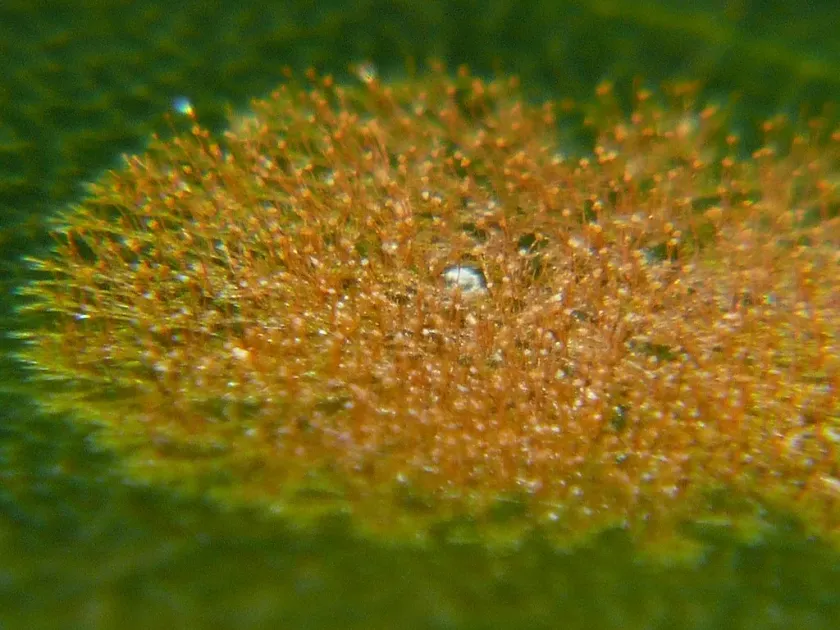
Description
Symptoms
The most prominent sign is the accumulation of a brownish, slimy mat on the surface of hydroponic reservoirs, irrigation tubes, and the substrate surface.
Roots infected by algal interference lose their white, healthy appearance and become coated in a layer of brown or greenish, slippery biofilm.
Visible stress symptoms in plants include leaf yellowing, wilting during peak sunlight hours, and a stunted growth rate that does not respond to fertilization.
Stagnation of water in pots or trays often reveals a foul, earthy odor, which is indicative of decomposing algal biomass and reduced oxygen levels.
In advanced stages, the lack of nutrient uptake causes tip burn on leaves, as the roots are unable to function efficiently due to external colonization.
Pathogen
Brown algae (Phaeophyceae) are often considered opportunistic organisms in agricultural systems, particularly in hydroponics, where they thrive in nutrient-rich environments.
These organisms do not act as typical plant pathogens in the sense of infection, but their overgrowth creates an algal bloom that severely compromises crop health.
Pathogen transmission typically occurs through contaminated water supplies, air-borne spores, or the reuse of unsterilized growing substrates in greenhouses.
From an agronomical perspective, they are classified as biological competitors that alter the rhizosphere, leading to physiological stress in host plants.
Understanding their life cycle is crucial for greenhouse managers, as these organisms can adapt to various light intensities and nutrient concentrations.
Conditions for development
Exposure to light is the primary driver for algal development, as it fuels their photosynthesis within the nutrient solutions intended for the crops.
High nutrient concentrations, specifically phosphorus and nitrogen, act as fertilizers that accelerate the rapid expansion of algal colonies.
Temperatures between 20°C and 28°C provide the metabolic sweet spot for most brown algae, allowing them to outcompete crops for space and resources.
Poor circulation or aeration in the root zone leads to pockets of warm, stagnant water, which are perfect environments for colonization.
Inadequate filtration of incoming water and the reuse of old growing media without disinfection are the main pathways for introducing algae into the system.
Why it matters
The primary harm is root suffocation caused by the physical covering of root surfaces, which prevents proper gas exchange and oxygenation.
Algae compete directly with plants for mineral nutrients, leading to rapid depletion of the solution and subsequent nutritional deficiencies in the crops.
Their metabolism creates chemical imbalances in the root zone, potentially altering the pH levels to ranges that are toxic to the plant's delicate root hairs.
Biological decomposition of dead algae provides a food source for pathogenic bacteria, increasing the risk of secondary infections such as root rot.
Ultimately, the presence of brown algae leads to a significant decrease in crop vigor, quality, and final harvestable yield for the grower.
Protection
The most effective control strategy is the complete exclusion of light from all parts of the hydroponic system using opaque covers or light-proof materials.
Water treatment systems, such as ultraviolet (UV) sterilizers and ozone generators, are highly effective at killing algal spores before they enter the system.
Regular maintenance of the irrigation infrastructure, including flushing lines and disinfecting reservoirs, prevents the accumulation of algal mats.
In cases of heavy infestation, food-safe algaecides can be employed, provided they are compatible with the specific crop species and local regulations.
- Utilize light-blocking materials for all reservoir surfaces.
- Implement regular sterilization cycles for irrigation pipes.
- Monitor nutrient concentrations to prevent excessive spikes.
Discussion
No discussions yet — be the first.