
Description
Symptoms
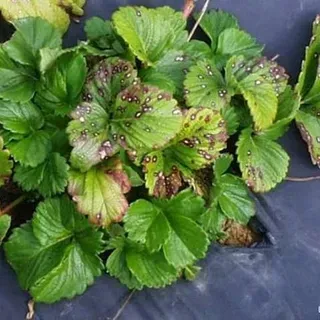
Symptoms typically manifest as necrotic spots on leaves. These spots start as small, light-brown lesions that eventually enlarge into irregular brown patches with a distinct dark margin.
A key diagnostic feature is the emergence of small black, pin-head-sized dots on the surface of the lesions. These are the reproductive structures (acervuli) of the fungus.
In strawberries and cranberries, the disease can cause necrosis of the petioles and runners. This prevents the normal transport of nutrients, leading to wilting and death of the foliage.
Under severe pressure, the entire leaf surface may become necrotic, curl up, and fall off prematurely. This significantly impairs the plant's ability to photosynthesize effectively.
Fruit infections appear as sunken, dry spots which can eventually lead to secondary rot. These fruits become unmarketable due to their unsightly appearance and decay.
Pathogen
Pestalotia is caused by a group of fungi belonging to the genus Pestalotia. These fungi are pathogens that infect a wide range of horticultural crops, leading to significant foliage and fruit damage.
The fungus overwinters in plant debris or soil as mycelium and spores. During favorable weather conditions, spores are disseminated by splashing water, wind, and agricultural tools, initiating new infections.
Pestalotia acts as a facultative parasite, often attacking plants that are stressed by environmental factors, poor nutrient status, or previous mechanical injuries.
The fungus colonizes host tissues, primarily the leaves and stems, by penetrating the epidermis through stomata or wounds. Once inside, the hyphae spread rapidly through intercellular spaces.
The biological cycle is heavily dependent on moisture. Under high humidity, the fungus produces acervuli — small fruit bodies containing massive amounts of conidia, ensuring quick spread.
Conditions for development
High relative humidity and frequent rainfall are the primary drivers of Pestalotia outbreaks. Prolonged wet periods on leaf surfaces are necessary for spore germination.
Dense plantings restrict airflow and prevent foliage from drying out quickly after rain or irrigation. This creates a humid microclimate that favors fungal development.
The optimal temperature range for the pathogen is between 20°C and 25°C. However, it can remain active across a broader range if moisture levels remain sufficiently high.
Mechanical damage caused by hail, insects, or pruning provides easy entry points for the fungus. Stress from nutrient deficiencies makes plants more susceptible to infection.
Poor nursery sanitation practices, such as reusing contaminated soil or infected trays, are often responsible for introducing the disease into new production areas.
Why it matters
Pestalotia causes substantial yield losses by destroying leaf tissue, which is essential for fruit development. Weakened plants exhibit stunted growth and reduced vigor.
The aesthetic damage to leaves and fruit is devastating for commercial growers. Infected crops may be rejected by processors and retailers, causing severe economic damage.
In the nursery industry, infected stock must be discarded to prevent further spread. This leads to the loss of investment and potential supply shortages.
Plants affected by Pestalotia have reduced carbohydrate reserves going into the winter season, which lowers their overall cold hardiness and survival rates.
Chronic infections weaken the plant's structural integrity, often acting as a gateway for other soil-borne or vascular diseases to infect the weakened root system.
Protection
The most important control strategy is field sanitation. All infected plant debris should be removed and disposed of properly to reduce the local inoculum source.
Proper crop management is vital: ensure adequate spacing between plants to maximize airflow. Use efficient irrigation systems that minimize foliage wetness, such as drip irrigation.
Chemical control involves the application of appropriate fungicides. Copper-based products or systemic fungicides like triazoles and strobilurins are often effective.
- Always purchase disease-free, certified planting material.
- Monitor plantations frequently for the first signs of symptoms.
- Maintain optimal nutrient balance to boost natural plant resistance.
Fungicide applications should be timed before expected rainy periods. Always follow local labels and safety regulations regarding frequency and dosage to avoid resistance.
Pathogens and affected parts
Affects crops · 2
Discussion
No discussions yet — be the first.