
Peony mosaic
Peony mosaic virus
Description
Symptoms
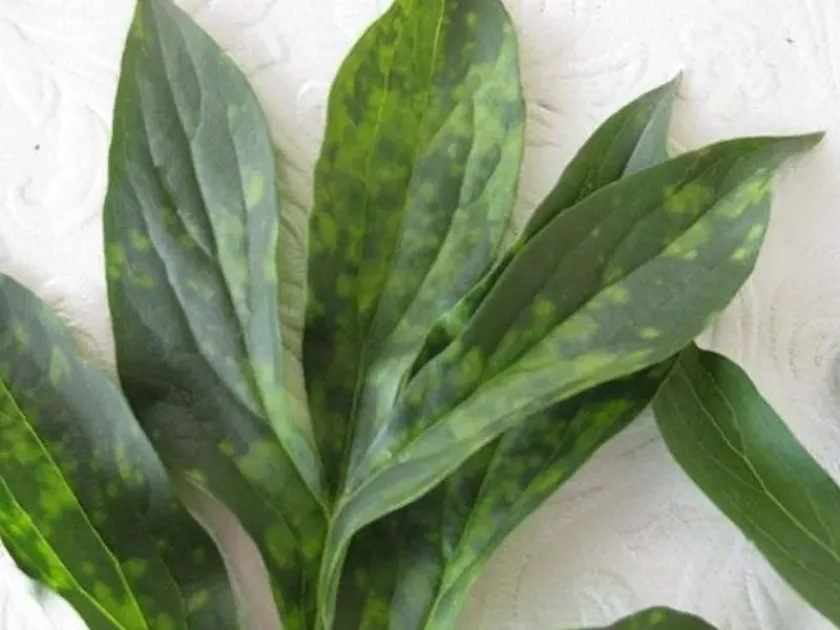
The primary symptom of the disease is a distinct mosaic pattern on the leaves. This pattern manifests as irregular patches of light green, yellow, and dark green colors, creating a mottled appearance.
In many cases, the virus produces classic ring-spot symptoms, which appear as circular or semi-circular patterns on the leaf surface. These rings are often paler than the surrounding leaf tissue.
As the infection advances, the leaves may show signs of deformation or crinkling. The leaf blades often become smaller, and the overall vigor of the foliage is noticeably diminished.
Floral symptoms include atypical color-breaking, where flowers exhibit streaks, spots, or color variations that do not match the true genetic color of the cultivar.
The plant exhibits signs of systemic decline, including stunted growth and reduced leaf density. In severe cases, the foliage may exhibit premature senescence or tissue necrosis around the edges.
Pathogen
Peony mosaic is a viral disease caused by the Peony mosaic virus (PeMV). This pathogen affects the vascular system of the plant, leading to systemic infection that persists throughout the plant's life cycle.
The virus is categorized as a systemic pathogen that disrupts cellular metabolism. It is primarily transmitted through mechanical injury to tissues, involving sap-to-sap contact or via infected tools during horticultural procedures.
The host range is strictly limited to the Paeonia genus. Because the virus colonizes the entire plant, including the roots and crown, it remains present in vegetative propagation material such as divisions.
Vector-mediated transmission is a significant factor in the spread of the virus. Insects such as aphids, thrips, and nematodes feed on infected sap and transmit the viral particles to healthy tissues.
There is currently no pharmacological treatment capable of eliminating the virus once a plant is infected, making prevention the only viable management strategy for growers.
Conditions for development
The development and spread of the virus are heavily dependent on the presence of insect vectors. Warm weather conditions, which favor the breeding of aphids and thrips, significantly increase the rate of viral transmission.
Crowded plantings and lack of adequate spacing between peony bushes facilitate the movement of insect vectors, allowing the virus to spread rapidly within a garden bed.
Human activity is a major cause of transmission, particularly during plant division or pruning. Using unsterilized knives or shears can easily introduce the virus into healthy tissues of different plants.
Environmental stress, such as improper irrigation or poor nutrient management, weakens the plant's natural defense systems, potentially making it more susceptible to high viral titers.
Introducing infected nursery stock is the most frequent way the disease enters a garden. Once established, the pathogen is difficult to contain without rigorous sanitary intervention.
Why it matters
The primary harm caused by Peony mosaic is the degradation of aesthetic value. Infected plants lose their ornamental appeal and can no longer be used for high-quality landscaping or show purposes.
The disease causes chronic physiological damage, leading to reduced photosynthetic efficiency. This results in weaker root development and fewer flowers being produced in subsequent seasons.
The presence of the virus creates a permanent reservoir of infection in the landscape. This necessitates constant vigilance and the potential removal of nearby healthy plants to prevent further spread.
Infected peonies may show decreased winter hardiness. The metabolic drain caused by the virus affects the plant's ability to store sufficient carbohydrates for the dormant period.
Ultimately, the disease leads to a gradual decline in the plant's health, often requiring the complete removal and destruction of the infected specimen to protect the surrounding flora.
Protection
Sanitation is the cornerstone of control. Any plant displaying symptoms of mosaic should be immediately dug up, including the roots and surrounding soil, and burned or disposed of as waste.
Managing insect populations is crucial. Growers should implement a regular monitoring and insecticide spraying program to control aphids, thrips, and nematodes, which are the main carriers of the virus.
Strict tool hygiene is required. Pruning shears, knives, and spades must be disinfected between each plant using a strong bleach or alcohol solution to prevent cross-contamination.
Only source peony divisions from reputable nurseries that provide virus-free certifications. Thoroughly inspect any new plants before introducing them into your established garden.
Weed management is essential, as many common weeds can serve as asymptomatic hosts for the virus, harboring the pathogen or the insects that transmit it.
Discussion
No discussions yet — be the first.