
Penicillium rot
Penicillium brevicaule
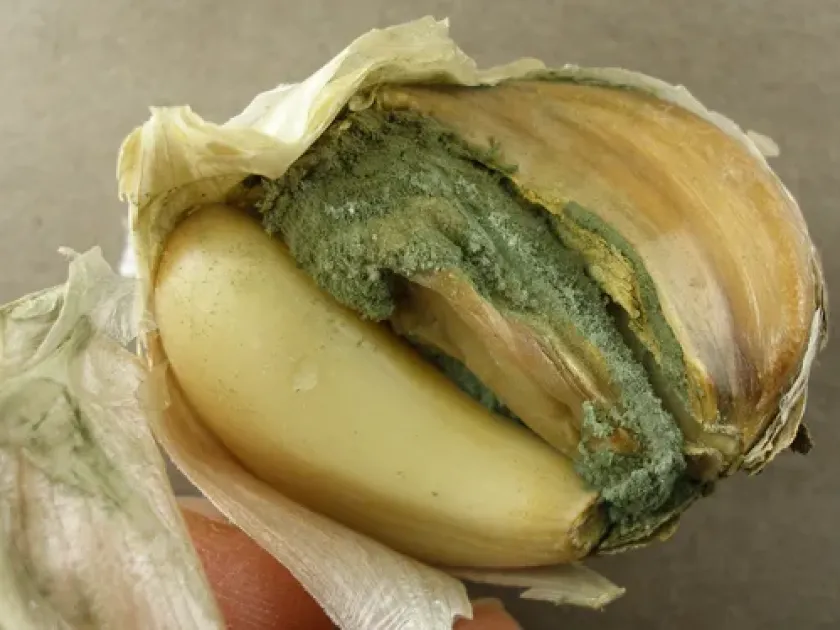
Description
Symptoms
The most distinctive symptom of Penicillium rot is the development of a powdery, fuzzy mold growth on the surface of the affected plant material. The color typically ranges from white to light green or grayish-brown.
In seeds, the infection causes discoloration and a loss of germinability. The embryo is often colonized, which prevents normal emergence or leads to the death of the seedling shortly after germination.
In fruits and root crops, the disease manifests as soft rot accompanied by a musty odor. The infected tissue quickly becomes mushy, and the surface becomes covered with a dense layer of fungal spores.
In fields, the disease is often identified by the poor stand density, where seeds fail to sprout because they were colonized by the fungus immediately after planting in cold, wet soil.
Visual inspection of stored products reveals that the rot spreads rapidly in circular patterns, with the powdery spore layer being the most characteristic diagnostic feature.
Pathogen
The causal agent of this disease is the fungus Penicillium brevicaule (also known as Scopulariopsis brevicaulis). This pathogen acts primarily as a saprotroph but can invade weakened or damaged plant tissues.
The fungus propagates through abundant production of conidia, which are easily dispersed by wind, water splashes, and farm equipment. These spores remain viable for long periods even in adverse environmental conditions.
It colonizes a wide range of organic materials, including agricultural crops such as cereals, vegetables, and fruits. Its high metabolic versatility allows it to break down complex organic compounds effectively.
In addition to destroying plant tissues, the fungus produces secondary metabolites, including specific mycotoxins, which pose risks to the quality and safety of agricultural products.
The ability of the fungus to grow across a wide temperature range makes it a significant threat in various storage environments, ranging from cold rooms to standard warehouses.
Conditions for development
High relative humidity (typically above 75%) is the most critical environmental factor triggering the development and spread of Penicillium infections in storage.
While the optimal temperature for growth is around 20–25°C, the fungus is highly adaptive and continues to grow at lower temperatures, facilitating decay in chilled storage facilities.
Physical injuries to plant tissues, such as cuts, bruises, or cracks caused during harvesting and handling, provide entry points for fungal hyphae to colonize the interior of the plant organ.
Poor ventilation within storage units creates pockets of high humidity and stagnant air, which promote rapid sporulation and infection of adjacent, healthy units.
The presence of old plant debris or contaminated storage containers acts as a primary source of inoculum, allowing the fungus to persist and re-infect subsequent harvests.
Why it matters
Penicillium rot causes significant economic losses by reducing the yield and quality of stored produce, leading to high rejection rates in commercial markets.
Seed-borne infection reduces seedling vigor and stand establishment, often necessitating replanting and increasing labor and material costs for farmers.
The contamination of food and feed products with mycotoxins produced by the fungus represents a serious food safety concern, often rendering the crop unfit for human or animal consumption.
The rapid spread of the disease can result in the loss of entire stored lots if monitoring and management practices are neglected during the critical storage period.
Once an infection is established in a facility, the high density of airborne spores makes it difficult to manage without comprehensive sanitation protocols.
Protection
Effective management begins with maintaining strict environmental control in warehouses, specifically targeting low humidity levels and excellent air circulation.
Sanitation is essential; cleaning and disinfecting storage facilities, containers, and handling equipment before the harvest season helps eliminate the initial source of infection.
Careful handling during harvest is crucial to minimize physical damage to the crops, as healthy skin is the plant's primary natural defense against fungal pathogens.
Using certified, fungicide-treated seeds is a standard practice to protect emerging plants from soil-borne and seed-borne Penicillium pathogens during the critical germination phase.
Regular monitoring of stored produce allows for early detection of rot, enabling the removal of infected items to stop the spread of the fungus to the rest of the stock.
Discussion
No discussions yet — be the first.