
Apple scar skin viroid
Pelamoviroid malleusmali
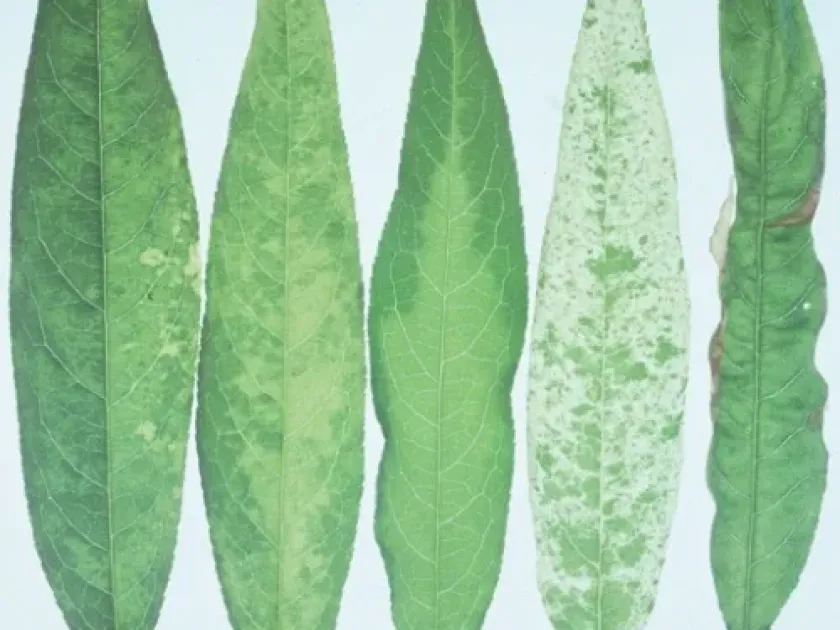
Description
Symptoms
The most characteristic signs are specific changes on the apple skin. In affected areas, the skin becomes rough, often covered in corky spots or deep cracks.
Fruits affected by this viroid are frequently deformed, stunted in size, and lose their marketability. The apple surface appears bumpy due to uneven tissue growth.
Symptoms on young shoots are rare; however, severe infections lead to general tree suppression, which may manifest as reduced leaf size.
In some cases, premature leaf drop and delayed flowering are observed, which correlates directly with the severity of the infection within the tree canopy.
- Corky patches on the fruit surface.
- Deformation and twisting of apples.
- Cracking of the fruit skin.
- Overall reduction in tree vigor.
- Stunted fruit size.
Pathogen
The disease is caused by the Apple scar skin viroid (ASSVd), scientifically known as Pelamoviroid malleusmali. It consists of a tiny circular RNA molecule, lacking a protein coat typical of viruses, yet capable of self-replication within host plant cells.
The viroid parasitizes at the cellular level, hijacking the plant's enzyme systems for its own reproduction. This results in profound disruptions of metabolic processes within the bark and fruit tissues.
The primary nature of the disease is a systemic viroid infection that spreads throughout the entire tree, including vascular tissues such as the phloem and xylem.
The pathogen is highly stable and can persist for long periods in infected propagation material without displaying obvious symptoms in the early stages.
Unlike viruses, the apple scar skin viroid is primarily transmitted through vegetative propagation, making it impossible to cure using conventional fungicide treatments.
Conditions for development
The spread of the apple scar skin viroid occurs primarily through the use of infected grafting material, such as scions or buds taken from infected mother trees.
Another critical transmission route is mechanical transfer via gardening tools. If pruning shears or knives are not disinfected, they can carry the pathogen from an infected tree to healthy ones.
Root-to-root transmission is possible in high-density plantings where root systems make physical contact, though this is considered less significant than human-mediated transmission.
While insect vectors and specific environmental conditions for the spread of this viroid are not yet fully understood, the focus remains strictly on quarantine and hygiene measures.
Viroid development within a tree is often latent for several years before the first visible defects appear on the harvested crop.
Why it matters
The primary damage is the catastrophic reduction in fruit quality. Damaged apples are unfit for storage or sale as premium market produce.
Infected trees gradually lose productivity and show decreased adaptability to low temperatures and other environmental stress factors.
Viroid infection leads to significant economic losses in commercial orchards, as infected trees often require removal, disrupting the overall structure of the plantation.
The disease is chronic, and the concentration of the viroid within the plant increases over time, turning the tree into a dangerous reservoir of infection for neighboring healthy trees.
Because there are no effective treatments for infected trees, the presence of the viroid in an orchard necessitates radical sanitary removal of affected specimens.
Protection
The main prevention method is the use of certified, virus-free planting material obtained through tissue culture and laboratory indexing programs.
Strict adherence to tool disinfection protocols is essential. After working on each tree, pruning tools must be sanitized with solutions that degrade nucleic acids or denature proteins.
Regular monitoring of the orchard allows for the early detection of trees showing signs of fruit deformation, which should then be immediately removed and destroyed.
When establishing new orchards, growers must avoid purchasing nursery stock from unverified sources that lack official phytosanitary certification regarding viroid diseases.
Biological control for viroids is largely ineffective, so the primary effort of agronomists must be directed toward maintaining high standards of orchard hygiene.
Discussion
No discussions yet — be the first.