
Pear rough
Pear rough bark agent
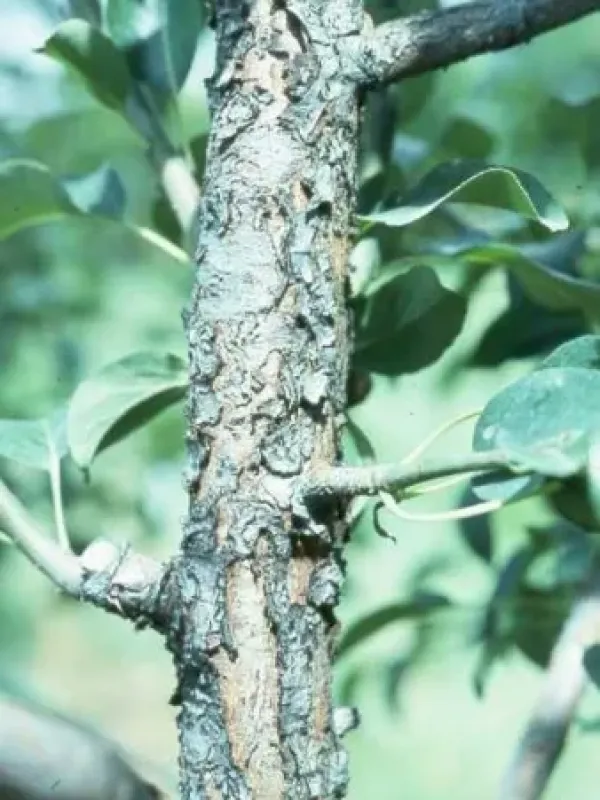
Description
Symptoms
The primary symptom of Pear rough is the development of hardened, corky patches on the surface of the fruit. The skin loses its natural smoothness and sheen, becoming rough and often brownish in color.
In affected areas, the epidermis frequently develops a net-like pattern or deep cracks. Severe cases result in stunted fruit growth, leading to small, asymmetrical pears that lack market appeal.
The tissue underneath the roughened skin typically becomes dense and corky. In some varieties, the flesh near these spots may acquire an off-flavor, sometimes described as slightly bitter.
If the condition is severe, the affected fruit may drop prematurely, failing to reach maturity. These symptoms typically progress throughout the growing season as the fruit expands.
Distinguishing Pear rough from pest damage or fungal diseases like apple scab is crucial, as the physiological nature of this disorder requires different management tactics.
Pathogen
Pear rough is primarily classified as a physiological disorder rather than a direct result of a fungus or bacteria. However, it is also frequently associated with viral infections, such as the Pear Stony Pit virus.
The viral etiology implies that the pathogen is transmitted through infected scion wood or rootstocks during grafting. The virus moves systematically through the plant, interfering with metabolic processes in the fruit skin cells.
Environmental stress factors, such as rapid fluctuations in temperature and moisture during fruit set, are common non-viral causes. These stresses trigger cell death in the epidermis, which the plant then heals by forming protective corky tissue.
Nutritional imbalances, particularly calcium deficiency or nitrogen excess, can contribute to the development of skin defects. These imbalances disrupt the uniform growth of the fruit surface.
Genetic susceptibility is a major factor, as some pear cultivars are naturally more prone to developing corky spots when exposed to adverse weather conditions.
Conditions for development
The condition is often triggered in years with unstable weather, particularly when cold nights alternate with hot, dry days during the early development stages. This fluctuation forces the skin to crack and harden.
High relative humidity combined with low temperatures during the flowering stage creates a stressful environment for the fruit-set process, which correlates with future skin deformities.
Poorly drained soils that lead to waterlogging can interfere with nutrient uptake, weakening the tree's ability to maintain healthy skin development on the growing fruit.
Excessive nitrogen fertilization promotes rapid cell expansion. If the skin's development cannot keep pace with the interior growth, microscopic cracks occur, resulting in the formation of rough, corky surfaces.
For viral-induced roughness, the primary mechanism of spread is human activity. Non-sterilized pruning shears or grafting tools act as vectors, transferring the virus from infected to healthy trees.
Why it matters
The major impact of Pear rough is the loss of commercial value. Heavily affected fruits are rejected for the fresh produce market because they do not meet quality standards.
A decline in flavor and texture makes the fruits unsuitable for high-quality processing, such as juice or baby food production, where uniform texture is required.
Surface cracks serve as entry points for secondary infections. Pathogenic fungi, such as fruit rot, can easily colonize the damaged skin, leading to significant losses during post-harvest storage.
Chronic viral infection weakens the tree over time. This leads to a gradual decline in overall yields and shortens the productive lifespan of the pear orchard.
Increased operational costs related to sorting, grading, and culling damaged fruit significantly reduce the overall profitability of the orchard business.
Protection
The foundation of prevention is using certified, virus-free nursery stock. Sourcing material from reputable suppliers is essential to prevent the introduction of viral pathogens into the orchard.
Strict hygiene protocols are mandatory. Pruning shears and grafting knives must be disinfected between trees using alcohol or bleach solutions to prevent the mechanical spread of viruses.
Optimizing nutrition, especially via calcium-rich foliar sprays, helps strengthen cell walls and improves the elasticity of the fruit skin against environmental stress.
Effective orchard management includes maintaining consistent soil moisture through regular irrigation, especially during critical growth periods, to prevent sudden expansion stress.
- Selecting cultivars with known resistance to physiological roughness.
- Removing and destroying trees severely affected by viral symptoms.
- Ensuring proper canopy ventilation through balanced pruning.
- Using mulch to stabilize soil moisture levels throughout the season.
Discussion
No discussions yet — be the first.