
Pear corky spot
Pear corky pit agent
Description
Symptoms
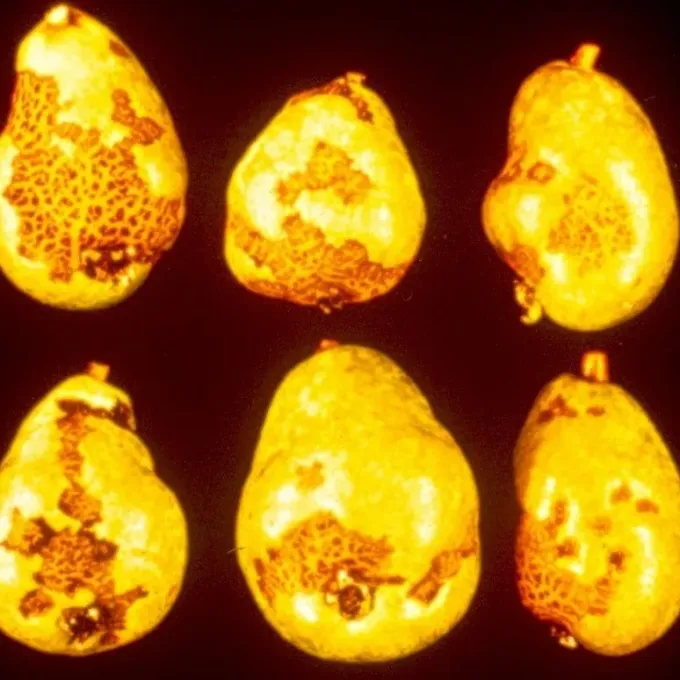
The initial signs appear as small, depressed spots on the surface of the fruit, which gradually develop a darkened, brownish appearance.
Beneath the skin at the site of these lesions, the tissue becomes dry, spongy, and necrotic, closely resembling the texture of cork, which gives the disorder its name.
As the fruit matures, the spots can enlarge and coalesce, causing the fruit to become severely misshapen, bumpy, and aesthetically unappealing.
The internal flesh under the corky areas is often discolored, turning brown or reddish, and loses its structural integrity and juiciness.
Fruit affected by corky spot often drop prematurely or fail to reach their full size, leading to significant reductions in yield potential.
Pathogen
Pear corky spot is not caused by infectious pathogens such as fungi, bacteria, or viruses. It is classified as a physiological disorder resulting from metabolic imbalances within the developing fruit.
The primary driver of this condition is a localized deficiency of boron within the fruit tissues. Boron is essential for proper cell wall formation and carbohydrate metabolism.
Nutritional antagonism also contributes to the disorder. Excess applications of nitrogen or potassium can inhibit the uptake and transport of boron from the soil to the fruit.
Environmental stress plays a major role, specifically during periods of rapid fruit enlargement when the metabolic demand for nutrients is at its peak.
Genetic factors also come into play, as some pear cultivars exhibit a much higher sensitivity to fluctuations in boron levels compared to others.
Conditions for development
The condition is most prevalent in light, sandy soils where boron is easily leached by heavy rainfall, leading to a depleted nutrient profile for the tree.
High soil pH levels, often occurring in over-limed soils, significantly reduce the bioavailability of boron, making it difficult for tree roots to absorb the nutrient.
Extended periods of drought during the growing season impair the tree's vascular transport system, preventing the efficient translocation of nutrients to the fruits.
Over-vigorous vegetative growth, triggered by heavy pruning or excessive nitrogen, creates a "sink" effect where nutrients are prioritized for shoots rather than fruit.
Extreme temperature fluctuations during the flowering stage can disrupt early fruit development, predisposing the fruit to physiological breakdowns later in the season.
Why it matters
The primary impact of corky spot is the drastic reduction in marketability, as consumers reject misshapen and blemished fruits, leading to heavy economic losses.
Affected fruit have poor sensory quality, with degraded texture and flavor, making them unsuitable for fresh market or long-term storage.
The disorder necessitates additional costs for monitoring and applying corrective foliar sprays, which increases the overall expense of orchard management.
Trees suffering from long-term boron deficiency exhibit reduced vigor, which negatively impacts their hardiness and susceptibility to secondary pests.
Failure to manage nutrient levels properly leads to inconsistent harvest quality year over year, threatening the long-term profitability of the pear orchard.
Protection
The most effective control method is the application of foliar boron sprays. These should be timed strategically, specifically during the pre-bloom and post-bloom growth stages.
Conducting annual soil and leaf tissue analysis is crucial to identify nutrient deficiencies early and to formulate a balanced fertilization strategy.
Maintaining consistent soil moisture levels through proper irrigation management is essential for ensuring a steady flow of nutrients throughout the tree's vascular system.
- Limiting excessive nitrogen applications to prevent vegetative surges.
- Applying organic mulch to stabilize soil moisture and nutrient availability.
- Ensuring balanced potassium and calcium levels to avoid nutrient antagonism.
- Selecting cultivars with a known tolerance to physiological spot disorders.
Pruning strategies should aim for moderate tree vigor, balancing the needs of foliage development with the requirements of the developing fruit crop.
Discussion
No discussions yet — be the first.