
Peach greasy spot
Peach oil blotch disease
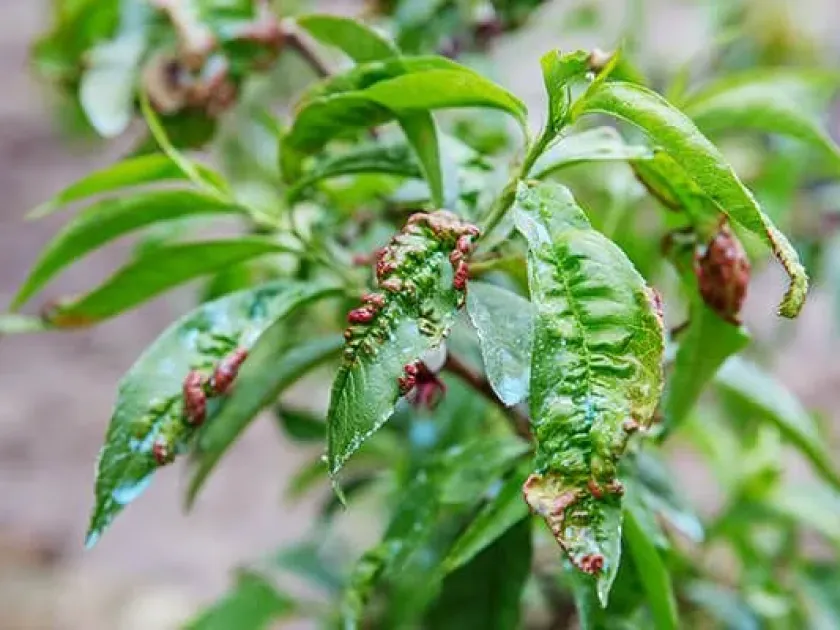
Description
Symptoms
The first signs of the disorder are small, oily-looking patches or spots on the skin of the peach, which appear as if they have been coated with an oily substance.
These spots cause the skin to lose its characteristic soft, velvety texture, becoming smooth and glossy, which makes them easily visible against the natural surface of the peach.
Below the surface of the greasy spots, the flesh of the fruit may begin to break down, losing its firmness and becoming water-soaked or mushy in advanced stages.
The color of these spots can vary from translucent to brownish, and in severe cases, the skin may even crack, exposing the fruit to secondary rot pathogens.
In many instances, these symptoms develop as the fruit approaches maturity, significantly impacting the aesthetic appeal and overall marketability of the crop.
Pathogen
Peach greasy spot is not an infectious disease caused by pathogens such as fungi, bacteria, or viruses. It is classified as a physiological disorder related to the metabolic imbalances within the fruit tissues.
The primary cause of this condition is an imbalance in mineral nutrition, specifically the deficiency of calcium in the fruit skin cells, which is often exacerbated by excessive nitrogen application.
Environmental stress factors, such as high temperatures and rapid fluctuations in soil moisture, play a crucial role in disrupting the normal development of fruit surface cells.
Genetic factors also influence how specific varieties react to these environmental conditions, making some more susceptible to developing greasy symptoms than others.
Because it is a non-infectious issue, it is considered a management-related disorder that requires precise agronomic interventions rather than fungicides or pesticides.
Conditions for development
Excessive nitrogen fertilizer promotes rapid growth, leading to a situation where the expansion of the fruit outpaces the uptake and transport of calcium into the skin.
High ambient temperatures increase the rate of transpiration, which, without adequate moisture and nutrient support, causes the localized cell collapse that results in greasy spots.
Irregular irrigation schedules, where trees experience severe drought followed by heavy watering, create turgor pressure stress that damages the cell membranes of the fruit skin.
Poor soil structure, which limits root health and nutrient absorption, prevents the tree from efficiently taking up essential elements like calcium, magnesium, and potassium.
Dense canopies that lack sufficient light penetration and air movement create microclimates that increase the risk of physiological imbalances during the fruit development phase.
Why it matters
The most immediate harm is the drastic reduction in the marketability of the fruit, as consumers generally reject peaches with unusual skin discolorations or greasy textures.
The compromised integrity of the fruit skin makes it highly vulnerable to opportunistic pathogens like Monilinia or Rhizopus, which cause rapid post-harvest decay.
Storage and shelf-life are significantly shortened, which limits the ability of producers to distribute the fruit over long distances or store it for later sale.
The internal quality of the fruit, including flavor profile and texture, is often degraded, leading to loss of brand reputation and financial losses for growers.
High incidence rates can make entire harvests unsuitable for the fresh fruit market, forcing growers to direct products to low-value processing channels.
Protection
Foliar application of calcium-based fertilizers during the fruit development stage is the most effective way to prevent the skin from developing greasy symptoms.
Maintaining a consistent irrigation regime using drip systems is essential to ensure a steady supply of water and nutrients throughout the entire growing season.
Optimizing the nitrogen-to-potassium ratio in the fertilization program helps balance growth and strengthens the structural integrity of the fruit tissue.
Proper pruning and orchard canopy management improve light exposure and airflow, which helps regulate tree physiology and fruit quality.
- Apply calcium-based sprays starting from petal fall.
- Monitor soil moisture regularly to prevent rapid fluctuations.
- Choose fruit varieties known for resistance to physiological skin disorders.
Discussion
No discussions yet — be the first.