
Panaeolus sphinctrinus
Panaeolus sphinctrinus
Description
Symptoms
Panaeolus sphinctrinus is a saprotrophic fungus that grows on organic-rich soils and pastures rather than being a plant pathogen.
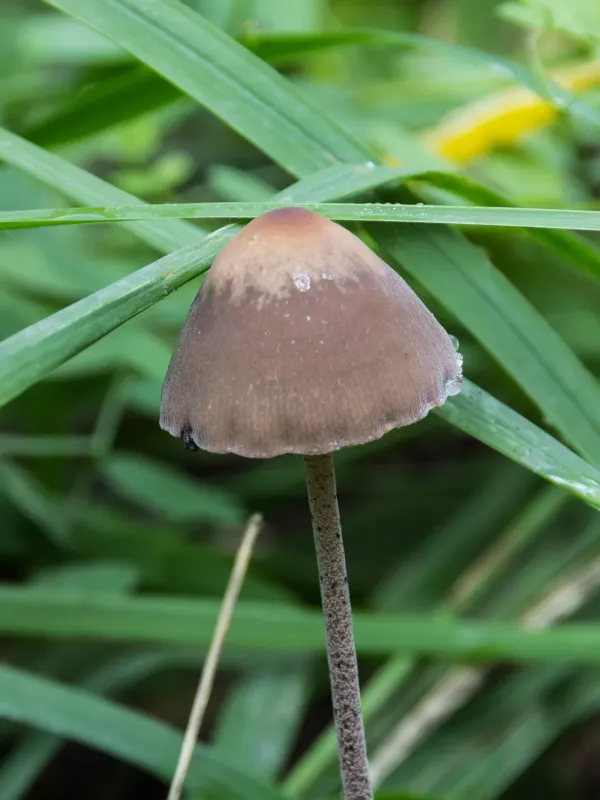
The fruiting bodies have distinct bell-shaped caps that vary in color from dark grey to brown depending on the hydration levels.
It typically appears in small clusters, emerging from soil enriched with animal waste or decomposing vegetable matter.
The stems are thin, fragile, and often elongated, blending in with the surrounding grass and vegetation.
Observations of these mushrooms are most frequent following rainy spells when humidity levels are high.
Pathogen
This species belongs to the order Agaricales and functions primarily as a decomposer within the ecosystem.
It survives by breaking down complex organic molecules into simpler inorganic nutrients in the soil.
Panaeolus sphinctrinus does not possess the mechanisms required to infect living plant tissues or cause plant diseases.
Its biological activity contributes to the soil carbon cycle rather than interfering with crop health.
As a saprotroph, it occupies a beneficial niche by facilitating the recycling of organic materials.
Conditions for development
High soil moisture is the primary factor that triggers the formation of the mushroom's fruiting structures.
It thrives in environments where there is an accumulation of nitrogen-rich organic waste or non-decomposed manure.
The species prefers mild temperatures and humid conditions often found in the early spring or late autumn.
Poor soil aeration and stagnant water conditions create an ideal habitat for its mycelium to expand.
Dense vegetation covers often provide the shade and consistent humidity necessary for its development.
Why it matters
Panaeolus sphinctrinus is considered harmless to agricultural crops as it does not compete for space or nutrients with live plants.
While not a disease-causing agent, its mass appearance may signal poor management of organic soil amendments.
In grazing areas, some mushrooms of the Panaeolus genus can contain toxins that are harmful if ingested by livestock.
It acts as a bio-indicator for specific soil conditions rather than a threat to the economic viability of a crop.
Growers should distinguish this harmless saprotroph from more aggressive parasitic fungal pathogens.
Protection
No chemical fungicides are recommended or needed to treat this mushroom as it does not damage crops.
Effective management focuses on proper soil preparation and the full composting of manure before application.
Improving soil drainage and maintaining optimal tillage practices will naturally suppress its growth.
Keeping pasture areas clear of excess organic litter reduces the availability of substrates for the fungus.
- Use well-composted organic fertilizers instead of fresh manure.
- Improve field drainage to prevent localized waterlogging.
- Regularly rotate crops to optimize soil health and nutrient balance.
Discussion
No discussions yet — be the first.