
Pepper yellow spot
Orthotospovirus capsicimaculaflavi
Description
Symptoms
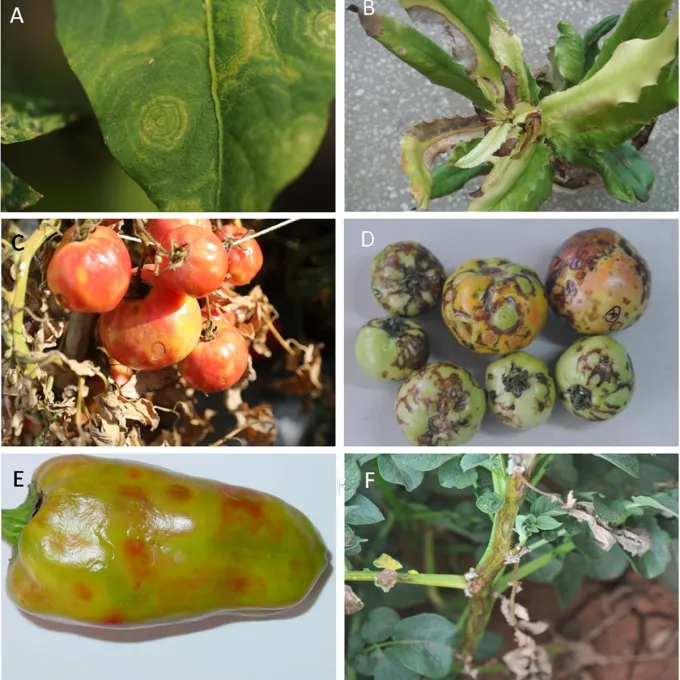
The primary clinical signs of the infection include chlorotic spots on the leaves, which often transition into yellow or bright lemon-colored patches.
Infected fruits frequently exhibit irregular mosaic patterns, ringspots, or significant deformation, which severely diminishes their market value.
Plants affected during their early vegetative stages show stunted growth, shortened internodes, and a general loss of vigor.
Necrotic lesions can sometimes be observed on the stems and leaf petioles as the virus compromises the structural integrity of the plant tissues.
- Chlorotic spotting on foliage.
- Fruit mosaic and severe deformation.
- Stunted plant growth and development.
- Necrotic tissue lesions on stems.
Pathogen
The causative agent of the disease is a virus belonging to the Orthotospovirus genus, which is a significant threat to global vegetable production.
This virus is an obligate parasite that relies on insect vectors, primarily thrips, to move from infected host plants to healthy pepper plants.
Once introduced into the plant tissue, the virus replicates rapidly, spreading through the phloem to all parts of the host system.
The survival of the virus depends on its ability to overwinter in perennial weed reservoirs or within the bodies of surviving insect vectors.
Its high genetic variability poses a continuous challenge for agronomists and plant breeders aiming to develop durable resistance in commercial pepper varieties.
Conditions for development
Warm temperatures significantly accelerate the life cycle of thrips, leading to increased population density and higher rates of virus transmission.
High humidity within greenhouse environments can facilitate the spread of insects and promote the overall physiological stress of the plants.
Poor sanitation practices around the fields, such as allowing weed growth, provide essential habitats for virus-carrying insects.
The presence of susceptible ornamental crops near production fields increases the likelihood of virus introduction into the vegetable area.
Early-season planting without adequate insect screening often leaves young, vulnerable pepper transplants exposed to the primary waves of thrips.
Why it matters
The economic impact of the virus is substantial, often leading to total loss of marketability for produce harvested from infected plants.
Photosynthetic capacity is drastically reduced in infected plants, resulting in poor flower set and fruit drop, further reducing overall yield.
Because there is no cure for viral infections once a plant is systemic, the disease leads to a progressive decline that necessitates the removal of entire crops.
The pathogen can persist in the environment, creating a cycle of infection that affects successive crop rotations in the same field.
Total losses in production can be extremely high, especially in regions where the vector population is not effectively managed throughout the year.
Protection
The primary control strategy is the intensive management of thrips populations using integrated pest management techniques, including chemical and biological agents.
Strict weeding protocols should be implemented to eliminate alternative host plants that maintain the virus in the local ecosystem.
Greenhouse producers should utilize insect-proof netting and physical barriers to prevent the migration of vectors from outside sources.
Prompt roguing, or the removal and destruction of symptomatic plants, is critical to limit the rate of secondary spread within the field.
Farmers are advised to source certified virus-free transplants and select hybrid pepper varieties that demonstrate resilience to orthotospoviruses.
Discussion
No discussions yet — be the first.