
Alstroemeria necrosis
Orthotospovirus alstroemerinecrosis
Description
Symptoms
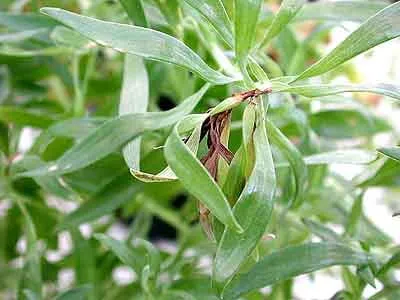
The hallmark symptoms include chlorotic spots and streaks on the leaves that quickly progress into necrotic patches, resulting in tissue death.
Leaf deformation and twisting are frequently observed, as the virus interferes with normal growth patterns along the veins of the leaves.
Flowers exhibit reduced quality, showing distorted shapes, irregular color patterns, and in severe cases, significant necrosis of the petal tissues.
Stems may become stunted or brittle, and the overall plant vigor declines, resulting in poor flower yields and reduced flower size.
In advanced stages, the plant shows signs of systemic weakening, leading to a diminished root system and increased susceptibility to other biotic stresses.
Pathogen
Alstroemeria necrosis is caused by a viral pathogen often referred to as Alstroemeria necrotic streak virus, which belongs to the Orthotospovirus genus.
This virus has a wide host range and relies on a sophisticated mechanism to hijack plant cellular machinery, leading to systemic infection throughout the entire organism.
The virus is primarily disseminated through the use of infected vegetative propagules, such as rhizomes, making it difficult to detect in the early stages of plant development.
Thrips are the primary insect vectors that transmit the virus from infected to healthy plants while feeding on the plant's sap.
Once inside, the viral particles move through the phloem, establishing a permanent infection that persists for the lifespan of the plant and its clonal descendants.
Conditions for development
The disease thrives in greenhouse environments where high temperatures and specific humidity levels accelerate the life cycle of thrips populations.
Poor sanitation practices, such as failing to disinfect cutting tools between plants, significantly increase the risk of cross-contamination during harvesting.
High plant density encourages the rapid spread of thrips vectors, allowing the virus to move efficiently from focal points to the rest of the crop.
The introduction of infected rhizomes from unreliable sources is the most common reason for the initial outbreak of the disease in a new planting area.
Environmental stress, including improper irrigation or nutrient imbalances, can weaken the plants and make them more susceptible to viral symptom expression.
Why it matters
Alstroemeria necrosis poses a major threat because there are no curative measures once a plant is systemically infected with the virus.
The reduction in the aesthetic value of the cut flowers leads to substantial financial losses, as the produce becomes unsellable in premium markets.
The presence of the virus in the rhizome stock ensures the persistence of the disease, forcing growers to discard entire batches of valuable cultivars.
Increased expenditure on pest control and constant surveillance are required to manage the disease, which adds significant overhead to production costs.
The virus weakens the general immunity of the plants, often opening doors for secondary opportunistic pathogens that further degrade the health of the crop.
Protection
The most effective strategy involves the use of certified virus-free planting material, which is tested in laboratories before being introduced to the facility.
A rigorous integrated pest management (IPM) program is essential to control thrips populations through both biological and chemical interventions.
- Immediate removal and destruction of all symptomatic plants to eliminate viral reservoirs.
- Sterilization of pruning shears and other tools with disinfectant solutions between uses.
- Implementation of insect-proof screens in greenhouses to prevent the entry of vectors.
Strict weed control around the growing area is necessary, as many common weeds can harbor the virus and its insect vectors during off-seasons.
Regular visual scouting for any signs of leaf streaks or necrosis helps in early detection, allowing for quick isolation of affected plants before the virus spreads.
Discussion
No discussions yet — be the first.