
Cryptosporella necrosis
Ophiovalsa
Description
Symptoms
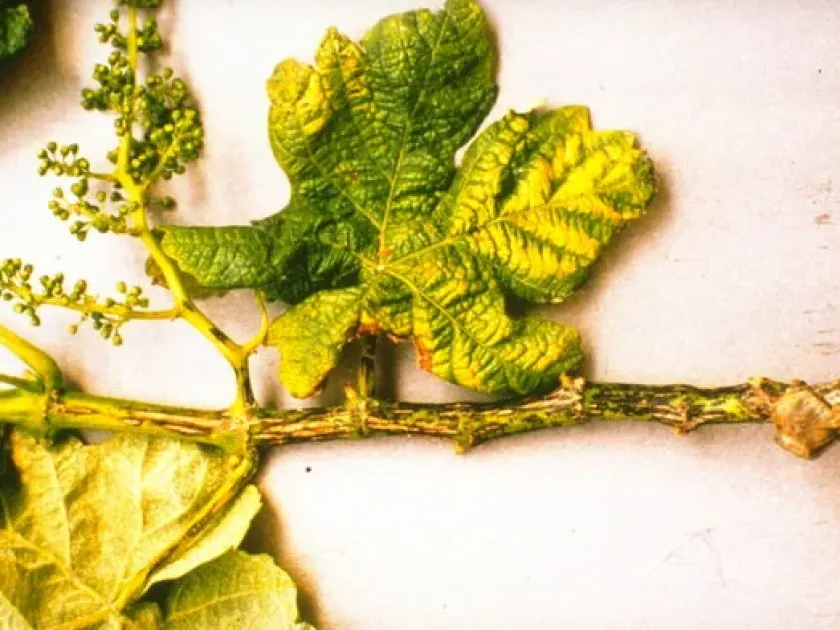
The initial symptom is the appearance of reddish-brown or dark lesions on the bark. These affected areas often become sunken over time.
The development of small, bump-like structures (stromata) on the bark surface is a diagnostic feature. These structures represent the reproductive phase of the fungus.
Bark cracking and peeling around the necrotized patches are common as the disease progresses and tissues die off completely.
Foliage on affected branches typically turns yellow, wilts, and dries out, often remaining attached to the branch even after death.
Internally, the wood under the lesion becomes darkened, which indicates the deep invasion of fungal mycelium into the tree's vascular system.
Pathogen
The disease is caused by the ascomycete fungus Ophiovalsa (formerly known as Cryptosporella). This pathogen acts as a parasite on the bark and cambium of deciduous trees.
The fungus colonizes the bark tissues, eventually penetrating into the sapwood. It produces stromatic fruit bodies within the infected bark to survive harsh conditions.
Infection cycles are maintained by the production of ascospores and conidia, which are easily disseminated by wind and splashing rainwater.
The pathogen remains viable in infected wood for long periods, making dead branches a persistent reservoir of inoculum for the entire orchard.
Adaptability to varied environmental conditions allows Ophiovalsa to persist across different regions, posing a constant threat to woody plant health.
Conditions for development
Mechanical injuries are the primary entry point for the fungus. Sunscald, winter frost cracks, and improper pruning cuts are the most frequent causes of infection.
High humidity and frequent rainfall are critical factors that promote spore germination and the rapid spread of the fungus throughout the tree canopy.
Stressed trees, particularly those suffering from drought or nutrient deficiencies, have a significantly lower resistance to Ophiovalsa attacks.
Poor orchard sanitation and overcrowding prevent adequate airflow, creating microclimates on bark surfaces that favor fungal pathogen growth.
Fluctuating temperatures in early spring often create new stress-related injuries on the bark, facilitating the seasonal entry of spores.
Why it matters
The disease is particularly dangerous because it destroys the tree's conducting tissues, leading to branch dieback and, if untreated, the death of the entire tree.
Persistent infections reduce overall orchard productivity by weakening the trees, which makes them less capable of bearing high-quality fruit.
Once established, the pathogen spreads readily to neighboring healthy trees, potentially leading to widespread orchard decline.
Treating severe infections is difficult and often unsuccessful once the mycelium reaches deep into the heartwood, forcing the removal of the tree.
Economic losses arise from both the loss of fruit yield and the long-term costs associated with managing infected plantations and replacing dead trees.
Protection
Sanitation is the most critical control measure; prune out and immediately destroy all infected branches to limit the spread of fungal spores.
All pruning tools must be disinfected between trees to prevent cross-contamination, especially after working with infected specimens.
Protecting pruning wounds and natural cracks with fungicidal pastes or wound sealants is essential for preventing new infections from taking hold.
Application of copper-based fungicides during the dormant season acts as an effective preventive measure to minimize spore populations.
- Regular inspection for early symptoms on bark.
- Burning or deep burying of removed infected wood.
- Enhancing tree vigor through proper fertilization and irrigation.
Discussion
No discussions yet — be the first.