
Description
Symptoms
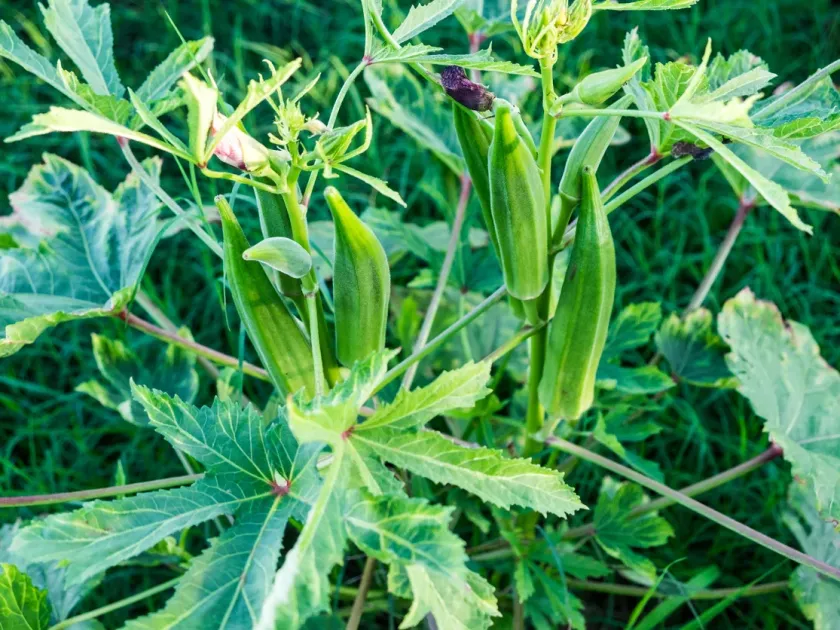
The primary symptom of okra mosaic is a characteristic mottled pattern on the leaves, appearing as a mix of light green and dark green patches.
Infected leaves often exhibit significant deformation, becoming wrinkled or crinkled, which hampers the plant's photosynthetic efficiency and overall growth.
Stunted growth is commonly observed, with shortened internodes leading to a bushy, dwarfed appearance of the entire okra plant.
Fruits produced by infected plants are frequently misshapen, display pale mottling, and may be smaller than healthy produce, significantly reducing marketable quality.
Severe infections can cause early leaf drop and flower abortion, which directly limits the total yield potential during the growing season.
Pathogen
The disease is caused by the Okra mosaic virus (OkMV), a member of the Tymovirus genus, containing a single-stranded RNA genome.
This virus has a broad host range, including crops like soybeans, which means that adjacent agricultural plots can act as sources of inoculum.
The virus is primarily transmitted by insect vectors, specifically beetles (Chrysomelidae), which feed on plant tissues and introduce the virus.
Mechanical transmission also occurs frequently, where the virus is spread through contaminated tools, equipment, or even handling of plants during routine maintenance.
Seed transmission is another critical pathway, allowing the virus to persist in planting material and initiate outbreaks in new, previously healthy areas.
Conditions for development
The spread of Okra mosaic is strongly correlated with the population dynamics of its insect vectors, which thrive in warm, dry environmental conditions.
The presence of wild weeds in the vicinity of okra fields provides a persistent reservoir for the virus, ensuring a continuous supply of infection during the season.
High plant density encourages rapid virus transmission, as foliage overlap allows for easier movement of vectors and increased mechanical contact between plants.
Agricultural practices that neglect pest control or sanitation around the fields significantly increase the risk of an widespread disease outbreak.
Optimal temperatures for the virus replication within the host cells usually fall between 25 and 30 degrees Celsius, accelerating the disease progression.
Why it matters
Okra mosaic is highly destructive, as there are no chemical remedies to cure a plant once it has been systemically infected by the virus.
Economic losses are driven by both severe yield reduction and the loss of produce quality, making the harvest unsuitable for commercial sale.
Plants weakened by the virus have compromised defense mechanisms, making them more susceptible to secondary attacks by bacteria and various pests.
Management of the disease requires high labor input for rogueing and constant monitoring, which increases the overall cost of production for farmers.
If not managed early, a single infected plant can lead to the contamination of an entire plot, resulting in total crop failure in extreme cases.
Protection
The most effective strategy is to start with high-quality, certified, and virus-free seeds to prevent the introduction of the pathogen from the very beginning.
Rogueing is essential: as soon as any plant shows mosaic symptoms, it must be removed from the field and destroyed to prevent secondary spread.
Integrated Pest Management (IPM) focusing on the control of beetle vectors is crucial to break the transmission chain throughout the vegetative stage.
- Maintain spatial isolation from other susceptible crops like soybeans.
- Regular weeding to remove alternative host plants around the okra field.
- Sanitize tools and equipment using appropriate disinfectants after every use.
- Rotate crops with non-host species to minimize the buildup of the virus in the soil.
The deployment of resistant okra cultivars offers the most sustainable and efficient long-term solution for farmers facing the recurring threat of Okra mosaic virus.
Pathogens and affected parts
Affects crops · 1
Discussion
No discussions yet — be the first.