
Ochrophyta
Ochrophyta
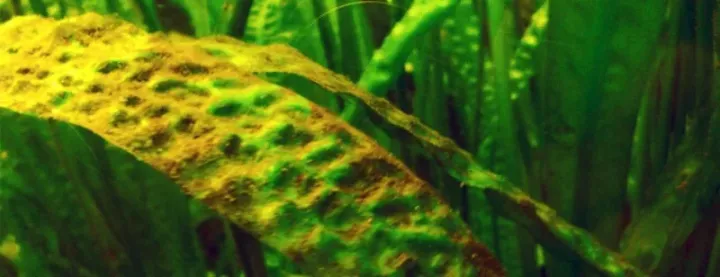
Description
Symptoms
The primary symptom of an Ochrophyta infestation is the appearance of a distinct, discolored film or crust on the surface of leaves, stems, or fruits.
The color of this algal layer often ranges from dull green and grayish to brown or rusty, depending on the specific species and environmental exposure.
As the infestation progresses, the underlying plant tissue begins to chlorose, eventually leading to the formation of irregular necrotic spots or patches.
The growth typically has a velvety or powdery texture that can be wiped away easily, yet it tends to reform rapidly under high humidity conditions.
Unlike fungal mycelium, algal growth often gives the plant surface a greasy, slick, or excessively shiny appearance that persists in humid weather.
Pathogen
The disease is caused by members of the Ochrophyta division, primarily yellow-green or certain diatomaceous algae that have adapted to live on plant surfaces.
These organisms are photosynthetic and establish an epiphytic or semi-parasitic relationship with the host plant without invading the deep vascular system.
The condition is classified as an algal spot disease, where the primary damage is caused by the competitive colonization of the host's vegetative organs.
The algae block the plant's stomata, which significantly inhibits gas exchange and reduces the efficiency of the plant's metabolic processes.
Dissemination occurs via motile zoospores that spread rapidly through water droplets, especially during heavy rainfall or irrigation events.
Conditions for development
The development of Ochrophyta is strictly dependent on high ambient humidity levels, typically sustained above 85% for extended periods of time.
Inadequate airflow in dense crop canopies or poorly ventilated greenhouses creates a stagnant microclimate that is ideal for rapid algal proliferation.
Moderate temperatures ranging between 15 and 23 degrees Celsius provide the perfect thermal window for the vegetative growth of these algae.
Extended leaf wetness, caused by irrigation or morning dew that does not evaporate quickly, acts as a primary catalyst for new infection cycles.
Existing plant tissue wounds or surface damage from pests often serve as entry points where algae can easily anchor and start colonizing the host.
Why it matters
The main impact on the host plant is the inhibition of photosynthesis due to the shading effect of the algal film covering the leaves.
By interfering with stomatal conductance, the algae deprive the plant of necessary CO2, leading to stunted development and reduced biomass accumulation.
The aesthetic and commercial quality of horticultural produce is severely compromised, often leading to total loss of market value for fruits and leaves.
Chronic stress caused by the algal layer weakens the host's natural defenses, predisposing it to secondary opportunistic fungal and bacterial infections.
Severe infestations can lead to premature senescence and leaf drop, significantly reducing the overall yield and vitality of the affected crop.
Protection
Cultural management is the first line of defense, emphasizing the need for proper pruning and spacing to promote air circulation within the canopy.
Adjusting irrigation practices to avoid evening watering is critical, as it ensures that plant surfaces remain dry during the night hours.
Copper-based fungicides are highly effective in managing algal populations and are the standard chemical intervention for severe outbreaks.
Maintaining a clean growing environment by removing debris and weeds helps reduce the humidity and potential inoculum pressure around the crops.
- Pruning to increase airflow
- Strategic irrigation management
- Application of copper fungicides
- Weed control and sanitation
- Monitoring humidity in greenhouse structures
Discussion
No discussions yet — be the first.