
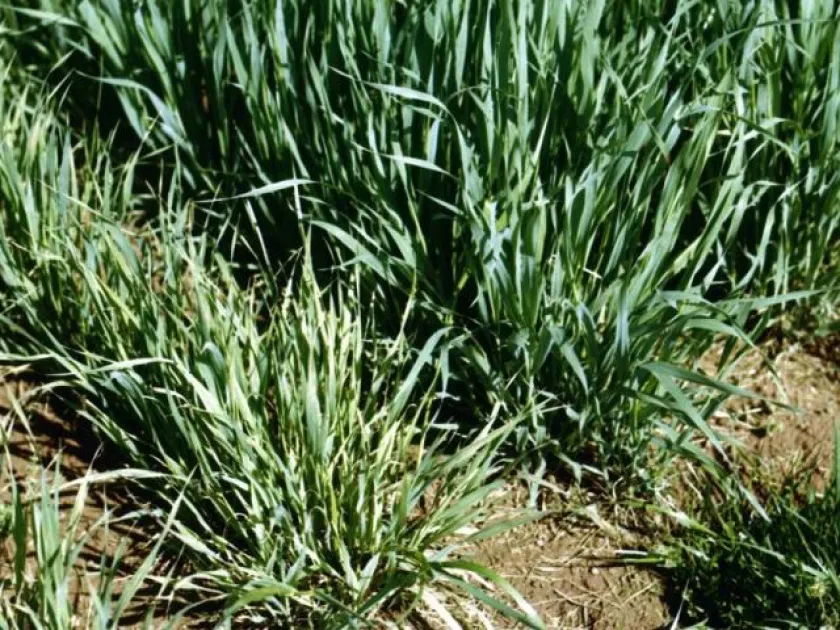
Description
Symptoms
Symptoms of Oat mosaic typically appear as chlorotic spots, streaks, or stripes on the leaves, usually oriented parallel to the leaf veins. This gives the foliage a characteristic mosaic appearance.
Affected plants often exhibit stunting and reduced tillering. The leaves may curl or become distorted, and the overall plant growth is significantly inhibited compared to healthy specimens.
Symptoms are most visible during cool weather, particularly in early spring. As temperatures rise later in the season, the visual signs of the mosaic pattern may become less apparent, although the virus remains active.
- Chlorotic mosaic patterns on leaves
- Stunted plant height
- Reduced number of tillers
- General unthriftiness of the crop
In the field, infected plants are frequently found in patches, reflecting the distribution of the fungal vector in the soil rather than random spread.
Pathogen
Oat mosaic is caused by the Oat mosaic virus (OMV), a member of the Bymovirus genus. This virus is soil-borne and transmitted primarily by the plasmodiophorid fungus Polymyxa graminis.
The virus infects cultivated oats (Avena sativa). It survives within the resting spores of the fungal vector in the soil, allowing it to persist for many years even in the absence of a host crop.
Transmission occurs when zoospores of the fungus enter the root hairs of the oat plant, carrying the viral particles into the plant cells. This symbiotic relationship between the virus and the fungus makes soil management difficult.
The virus moves systemically within the plant, affecting both vegetative growth and reproductive development. Its biological cycle is deeply intertwined with the life cycle of the fungal host.
High soil moisture is essential for the motility of the fungal zoospores, which facilitate the initial infection of the crop roots during the early stages of plant development.
Conditions for development
The development of Oat mosaic is strictly controlled by the activity of Polymyxa graminis. The fungus thrives in cool, moist soil conditions, with temperatures ranging from 10°C to 15°C being optimal.
Fields with poor drainage or those prone to waterlogging are particularly susceptible, as the fungal zoospores require water to move and infect the root systems.
Soil pH can influence the long-term survival of the fungal spores. Neutral to slightly acidic soils are generally more favorable for the persistence of the vector.
Short crop rotations that frequently include oats allow the fungal vector population to build up to levels that ensure a high incidence of viral infection.
Fall planting of winter oats, especially during warm autumns followed by cool winters, can facilitate early infection, leading to more severe symptoms as the plant enters the spring growth stage.
Why it matters
The primary damage caused by Oat mosaic is a reduction in grain yield. Infected plants produce fewer and smaller panicles, resulting in significant loss of biomass and seed quality.
The nutritional and physiological disruption caused by the virus also leads to a decrease in the bushel weight of the oats, reducing its marketability and seed value.
Furthermore, weakened plants are more susceptible to secondary stresses, including winter kill, drought, and other soil-borne diseases that attack the root system.
The economic impact is particularly severe in regions where oats are a primary crop, as the inability to effectively eradicate the soil-borne virus forces farmers to change their crop rotation plans.
Significant infestations can lead to patchy crop stands, which promotes weed growth and increases the costs associated with field management and harvesting.
Protection
The most effective strategy for managing Oat mosaic is the use of resistant oat cultivars. Breeding programs focus on developing varieties that prevent the viral replication or the fungal entry.
Long crop rotations, where oats are planted only once every three to four years, help to reduce the soil inoculum of the fungal vector, although complete elimination is rarely possible.
Improving soil drainage through proper field leveling and management can mitigate the conditions required for fungal zoospore movement, thereby reducing infection rates.
Avoiding early planting dates for winter oats can help reduce the window of opportunity for infection when soil temperatures are still conducive to fungal activity.
Sanitation practices, such as cleaning machinery between fields to prevent the transfer of infested soil, are essential to stop the spread of the pathogen to clean areas.
Pathogens and affected parts
Affects crops · 1
Discussion
No discussions yet — be the first.