
Blueberry necrotic ring blotch virus
Nepovirus vaccinii
Description
Symptoms
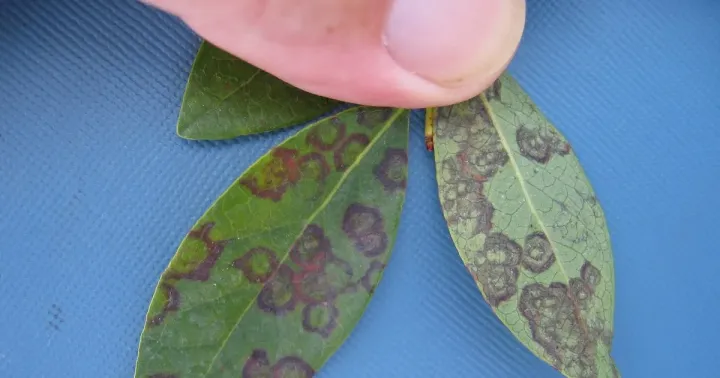
The primary symptom of Blueberry necrotic ring blotch virus (BNRBV) is the appearance of distinct circular spots on the foliage. These lesions often begin as chlorotic rings that develop necrosis in the center.
As the season progresses, the ring spots turn reddish-brown or dark brown. In severe cases, these necrotic areas may coalesce, covering significant portions of the leaf surface and causing premature defoliation.
Infected blueberry bushes often show signs of stunted growth. New shoots may be shorter than normal, and the overall vigor of the plant declines significantly compared to healthy bushes.
Fruits on infected plants are often smaller, fewer in number, and may show signs of deformation. This reduction in both yield and quality significantly impacts the profitability of the harvest.
Visible symptoms are often erratic and may appear only on specific branches initially. However, the virus is systemic and will eventually spread throughout the entire plant system.
Pathogen
BNRBV is a viral pathogen belonging to the Cilecvirus genus. It infects various species within the Vaccinium genus, notably highbush blueberry cultivars.
The virus acts by hijacking the plant's cellular machinery to replicate itself. Once a plant is infected, the virus becomes a permanent resident, as there are no curative treatments available.
The virus is primarily transmitted by the leafhopper Scaphytopius magdalensis. This insect serves as the main vector, spreading the virus as it feeds on infected tissue and moves to healthy plants.
In addition to insect transmission, the virus can be spread through contaminated vegetative propagation material, such as cuttings or nursery stocks that have not been certified as virus-free.
The persistence of the virus in perennial host tissues means that an infected plant remains an infectious reservoir for as long as it remains in the field.
Conditions for development
The spread of the virus is highly dependent on the lifecycle of its insect vectors. Warm, dry weather conditions that promote high activity of leafhoppers increase the risk of rapid transmission.
Proximity to wild Vaccinium species or overgrown fields containing host weeds creates a dangerous environment. Insects often migrate from these reservoirs into commercial blueberry patches.
High-density plantings can facilitate the movement of vectors between plants. When bushes are closely spaced, the probability of an insect transmitting the virus during a single feeding event is maximized.
Nutritional and moisture stress in plants can exacerbate the symptoms of the disease. While environmental stress does not cause the virus, it weakens the plant's ability to tolerate the infection.
Lack of consistent pest management allows populations of leafhoppers to build up unchecked, resulting in a dramatic increase in viral incidence within the orchard.
Why it matters
BNRBV causes significant economic losses by reducing both the yield and the longevity of blueberry plantations. Infected fields often require early replanting, leading to high capital costs.
The fruit produced by infected bushes is typically of lower quality, making it unsuitable for fresh market sale. This forces growers to sell at lower prices or discard the fruit entirely.
In nurseries, the presence of the virus can lead to the condemnation of entire batches of stock. This prevents the sale of plants and spreads the virus to new geographic areas.
Long-term, the systemic nature of the virus leads to a decline in plant health that makes the bushes more susceptible to secondary infections and extreme weather events.
The total loss of productivity in severely affected plants necessitates their removal. If left in the field, these plants become a source of inoculum that threatens the entire farm.
Protection
The foundation of control is the use of virus-indexed, certified nursery stock. Planting only healthy material is the most effective way to prevent the introduction of BNRBV into the farm.
Rigorous management of the leafhopper vector is essential. Integrated Pest Management (IPM) strategies, including timely insecticide applications, are necessary during the leafhopper's active seasons.
Rogueing, or the immediate removal and destruction of symptomatic plants, is critical to stop the spread. Infected bushes must be completely removed to prevent them from acting as a source of the virus.
- Regular field inspections to identify and mark symptomatic plants for removal.
- Clearance of weeds and secondary host plants in the vicinity of the plantation.
- Disinfection of pruning tools after working on suspect plants to prevent mechanical spread.
Maintaining high plant vigor through proper nutrition and irrigation can help delay the onset of severe decline, although it will not cure the underlying viral infection.
Discussion
No discussions yet — be the first.