
Peach rosette mosaic virus
Nepovirus persicae
Description
Symptoms
The primary symptom of Peach rosette mosaic virus is the appearance of mosaic patterns on leaves, characterized by chlorotic spots, rings, or line patterns. These symptoms can be highly visible in early spring and may fade as temperatures increase.
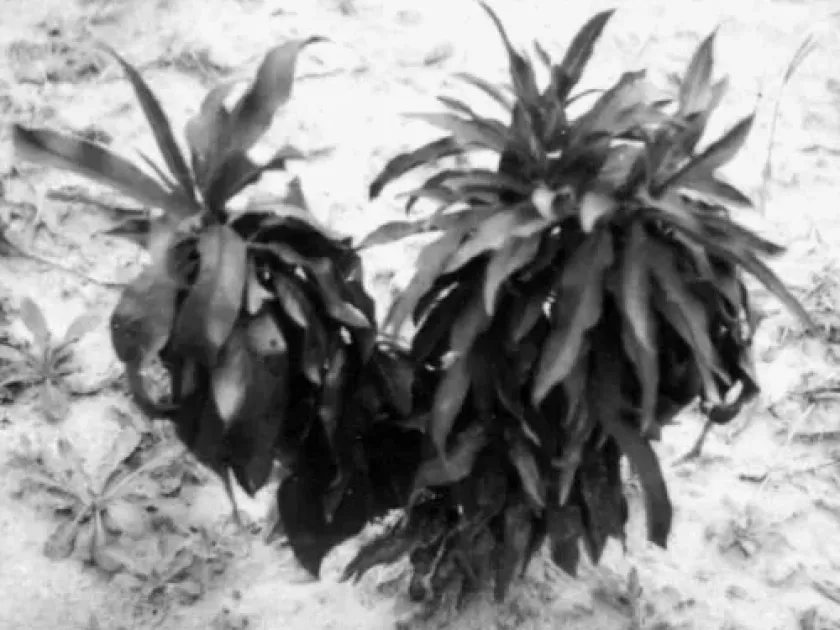
A classic indicator of this disease is the shortening of internodes, which causes the terminal shoots to cluster, creating a distinctive rosette growth habit. Consequently, leaves appear smaller than normal, are often curled or deformed, and possess an asymmetrical shape.
Flowering patterns are severely disrupted in infected peach trees. Trees may produce abundant but non-functional blossoms, leading to poor fruit set and significant flower abortion during the critical stages of spring development.
Fruit quality is drastically reduced, with fruits appearing stunted, misshapen, or covered in faint mottling patterns. These deformations render the harvest unsuitable for commercial sale, drastically impacting the economic value of the orchard.
Over time, infected trees exhibit symptoms of decline, including premature leaf drop, dieback of the upper branches, and reduced vegetative vigor, ultimately leading to a total loss of the tree's health.
Pathogen
The causal agent is the Peach rosette mosaic virus (PRMV), a member of the Nepovirus genus. This plant pathogen contains a bipartite single-stranded RNA genome and is known for its high efficiency in systemic infection.
PRMV has a broad host range, infecting various stone fruits as well as weeds and other wild vegetation. This diversity of hosts allows the virus to maintain its presence in an orchard environment even when the primary host is removed.
The virus is primarily transmitted by soil-dwelling dagger nematodes, specifically those of the genus Xiphinema. These nematodes act as viral vectors, acquiring the virus by feeding on infected roots and transmitting it to healthy ones during subsequent feeding events.
Mechanical transmission via contaminated tools or grafting materials is another common pathway. If pruning tools are not disinfected between trees, the virus can quickly move from an infected individual to healthy ones throughout the orchard rows.
Persistence in the soil is a defining feature of this pathogen. Research indicates that PRMV can remain viable in root remnants or even within the bodies of surviving nematodes for several years, posing a long-term threat to replanted sites.
Conditions for development
The spread of PRMV is heavily influenced by the presence and activity levels of nematode vectors. Moist, well-structured soils provide the best environment for nematode movement and survival, significantly increasing the probability of orchard infection.
Poor site preparation is a major contributing factor. Planting on land previously occupied by infected orchards or fields with high nematode populations often results in immediate and widespread disease outbreaks in young saplings.
Seasonal temperature changes affect both vector activity and viral replication rates. Periods of moderate temperatures and consistent soil moisture are ideal for the rapid spread of the virus within the root zone of the trees.
Weed management plays a critical role in the epidemiology of the virus. Many weed species serve as symptomless carriers, acting as a green bridge for the virus and the vector to persist in the absence of the main cultivated crop.
The history of the orchard site, specifically its previous use and existing weed coverage, remains the most significant predictor of potential PRMV outbreaks in newly planted orchards.
Why it matters
Peach rosette mosaic virus causes massive economic losses by significantly reducing crop yields. The combination of stunted growth and poor fruit quality makes the cultivation of infected trees financially unviable.
The virus acts as a stressor, making trees highly susceptible to secondary infections, particularly by various fungi and bacteria. This compounded infection pressure often accelerates the decline and eventual death of the affected trees.
Reduced cold hardiness is a lethal effect of the disease. In regions with freezing winters, infected trees often suffer from severe frost damage to the trunk and scaffold branches, as the virus interferes with normal metabolic and hardening processes.
The development of disease foci within an orchard represents a major threat. If left unchecked, the virus spreads in expanding patches, eventually necessitating the removal of large sections of the orchard and significant financial investment in replanting.
Infection status complicates the sale of nursery stock. Growers must adhere to strict international and local phytosanitary regulations, which may restrict the movement and sale of plants from areas where the virus is present.
Protection
The foundation of management is the use of high-quality, virus-free certified planting material. Rigorous laboratory testing for PRMV prior to planting is essential for preventing the introduction of the pathogen into new areas.
Orchard monitoring and immediate sanitation are critical. Infected trees should be identified through diagnostic testing, removed promptly including their entire root system, and destroyed to eliminate the inoculum source.
Nematode control is vital for risk mitigation. Before planting, soil testing for the presence of Xiphinema species should be performed, and if necessary, soil fumigation or the use of nematocidal management practices should be employed.
Maintaining a weed-free zone around trees removes alternative viral reservoirs. Clean cultivation or the use of specialized herbicides significantly lowers the likelihood of the virus surviving in the orchard ecosystem.
Strict tool sanitation protocols, including the use of bleach or ethanol solutions to disinfect pruning shears and saws between every tree, are mandatory to prevent mechanical transmission during routine maintenance tasks.
Discussion
No discussions yet — be the first.