
Neotyphodium
Neotyphodium
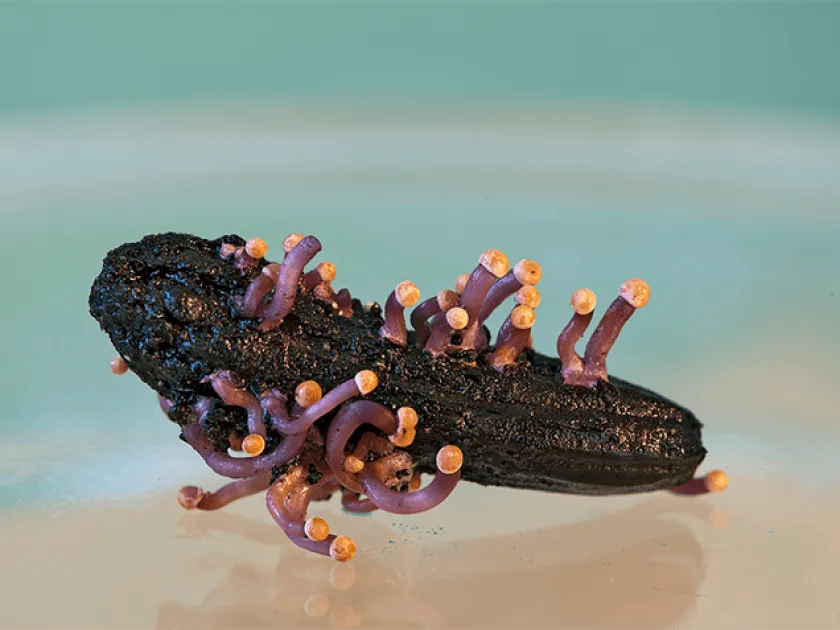
Description
Symptoms
There are no diagnostic visible symptoms of Neotyphodium infection on the foliage of the host plants. Infected grass typically grows vigorously and may even appear more robust than uninfected grass.
The presence of the fungus remains hidden from the naked eye throughout the plant's life cycle. Detection is only possible through laboratory methods, such as microscopic analysis of stained tissue samples.
In many cases, the "sign" of the disease is actually seen in the livestock grazing on the pastures. Symptoms of fescue toxicosis in cattle or sheep serve as the primary indicator that the grass contains harmful alkaloid-producing endophytes.
Specific genetic markers or protein assays are required for professional diagnosis. Agronomists often perform tests on grass seeds or tillers to verify the presence or absence of the fungal hyphae.
In some agricultural contexts, the presence of these endophytes is intentional in turfgrass breeding to enhance lawn durability, which makes the definition of "disease" dependent on the end-use of the grass.
Pathogen
Neotyphodium (now often reclassified within the Epichloë genus) is a genus of fungal endophytes that form a symbiotic relationship with cool-season grasses. These fungi live entirely within the host plant tissues, specifically in the intercellular spaces of stems and leaves.
The fungus is transmitted vertically through the seeds of the host plant. Because the fungus grows alongside the plant embryo, it is passed down to every subsequent generation, creating a persistent, life-long association.
Unlike many other plant diseases, Neotyphodium does not produce external fruiting bodies or visible signs on the plant surface. It is a highly specialized symbiont that has co-evolved with its host to maximize survival.
The fungus absorbs nutrients from the plant but provides benefits in return, such as increased drought resistance and improved tolerance to herbivorous insects, which makes the plant more competitive in harsh conditions.
The lack of an external transmission phase means the fungus is entirely dependent on the host plant for reproduction. This biological adaptation makes it a stable component of the grass ecosystem, yet a problematic one for agriculture.
Why it matters
The significant harm caused by Neotyphodium arises from the production of alkaloids, specifically ergot alkaloids and lolitrems. These secondary metabolites are toxic to domestic livestock, particularly cattle, sheep, and horses.
Ingestion of infected grasses leads to fescue toxicosis, a condition characterized by reduced feed intake, weight loss, heat stress, and poor reproductive performance in animals. This poses a major threat to the profitability of farming.
In severe cases, infected livestock may suffer from restricted blood flow to extremities, leading to gangrenous tissue loss, especially in cold weather. These health issues cause immense animal suffering and economic losses.
The quality of pasture land is significantly degraded if it contains a high prevalence of infected plants. Farmers often find it difficult to maintain productive livestock on such land without supplemental feed or pasture renovation.
The persistence of the fungus in the soil and seed bank complicates management efforts, as the endophyte can survive as long as the host plant remains viable in the field.
Protection
The primary control measure for Neotyphodium is the use of endophyte-free seeds. Ensuring that new plantings are sourced from certified suppliers is the most effective way to prevent the establishment of the fungus.
For pastures already infected with toxic strains, complete renovation is necessary. This involves killing the existing stand with non-selective herbicides and replanting with safe, endophyte-free or novel-endophyte grass varieties.
Management also includes limiting the grazing intensity on infected pastures to prevent animals from consuming the toxic parts of the plant, such as the seed heads where alkaloid concentration is often higher.
Monitoring the alkaloid concentration in forage is crucial for livestock producers. If levels are high, the forage should not be used as the primary diet for sensitive animals.
- Sourcing certified endophyte-free seeds
- Pasture renovation through reseeding
- Strategic grazing management
- Regular testing of forage quality
Discussion
No discussions yet — be the first.