
Mycosphaerellaceae
Mycosphaerellaceae
Description
Symptoms
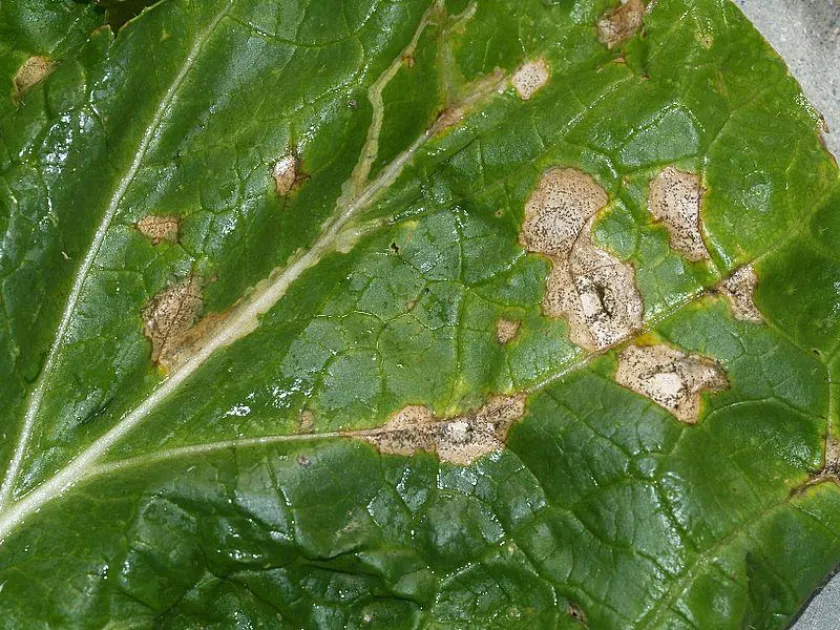
The most prominent symptom of Mycosphaerellaceae infection is the development of leaf spots. These spots initially appear as small, often circular or irregular lesions, which may be light brown, reddish, or purple depending on the host plant species.
As the infection progresses, the center of the spot typically becomes necrotic, turning white or greyish, while a darker border often forms around the perimeter. This distinct zonation is a common diagnostic feature for identifying these pathogens.
Small, black, dot-like fruiting bodies (pseudothecia or pycnidia) eventually appear in the center of the mature lesions. These structures are visible to the naked eye or under a magnifying lens and confirm the presence of the fungal pathogen.
Severe infestations can lead to extensive coalescing of spots, resulting in premature leaf senescence and abscission. In some cases, the disease also manifests on petioles, stems, and fruits, causing stunted growth and deformities.
The overall appearance of infected plants is often characterized by a loss of vigor and chlorosis. In advanced stages, the foliage might turn yellow and dry out, significantly affecting the plant's health and photosynthetic capacity.
Pathogen
Mycosphaerellaceae is a large family of ascomycetous fungi that act as significant plant pathogens. These fungi are responsible for various leaf spot diseases across a wide range of economically important crops, including strawberries, fruit trees, cereals, and ornamental plants.
The life cycle of these pathogens typically involves both sexual and asexual stages. The sexual stage (teleomorph) produces ascospores within pseudothecia, which often persist in dead plant debris during unfavorable conditions, while the asexual stage (anamorph) produces conidia for rapid secondary infection.
These fungi are specialized parasites that invade the host tissue to derive nutrients. The mycelium grows intercellularly and intracellularly, causing tissue degradation and the formation of characteristic necrotic spots that are the hallmark of the disease.
Dispersal is primarily achieved through wind and rain splash, which carry spores from infected plant litter to healthy foliage. Due to their wide distribution and high adaptability, these fungi can remain dormant in soil or crop residues for extended periods.
Genetic diversity within the Mycosphaerellaceae family allows different species to infect specific hosts, making it a persistent challenge in global agriculture. Understanding the species-specific interaction is crucial for effective disease management.
Conditions for development
High humidity and moderate temperatures are the primary environmental drivers for the development of Mycosphaerellaceae. Frequent rainfall and prolonged leaf wetness provide the necessary environment for spore germination and infection.
Temperatures ranging from 18°C to 25°C are typically optimal for the rapid growth of the mycelium. During wet and temperate seasons, the disease can spread rapidly through a field, leading to severe outbreaks.
Dense planting patterns that limit air circulation create a microclimate that traps humidity, creating a perfect habitat for the fungus. Proper spacing and canopy management are vital in reducing the humidity levels around the foliage.
Excessive nitrogen fertilization can also exacerbate the disease by encouraging soft, succulent growth that is more susceptible to pathogen penetration. Poor sanitation, where infected leaves are left on the field, ensures a high inoculum load for the next season.
Dew and fog also contribute to leaf wetness, providing enough time for the spores to penetrate the leaf surface. Areas with poor drainage and high moisture retention are at a significantly higher risk for these fungal infections.
Why it matters
The primary damage caused by Mycosphaerellaceae is the significant reduction in photosynthetic leaf area. As the leaves become covered with spots and eventually die, the plant loses its ability to produce necessary sugars, impacting overall growth and yield.
In perennial crops, the premature loss of leaves weakens the plant, reducing its ability to store energy for the winter. This often leads to increased winter kill and lower productivity in the subsequent growing season.
Economic damage also stems from the reduced quality of harvested products. Fruits and vegetables showing leaf spot or necrotic lesions often lose their market value, leading to substantial financial losses for producers.
If left unmanaged, the pathogen can cause complete crop failure during favorable weather conditions. The loss of foliage not only impacts the current harvest but also stresses the plant, making it more vulnerable to secondary infections and environmental stress.
The cumulative effect of reduced yield, diminished produce quality, and the high cost of regular fungicide applications makes Mycosphaerellaceae a critical management priority for commercial growers.
Protection
Effective control of Mycosphaerellaceae relies on an integrated approach, starting with strict sanitation. Removing and destroying infected plant debris is essential to eliminate the primary sources of overwintering inoculum.
Cultural practices such as pruning for better airflow, maintaining appropriate plant density, and ensuring good field drainage significantly decrease the risk of disease spread. Crop rotation also helps to break the life cycle of specialized pathogens.
Chemical control involves the timely application of fungicides when conditions are favorable for disease development. Using systemic and contact fungicides helps manage the pathogen population.
Key groups of fungicides include:
- Copper-based products for preventative protection.
- Triazole fungicides for systemic control of existing infections.
- Strobilurins, which provide both preventative and curative benefits.
It is crucial to rotate chemical modes of action to prevent the development of fungicide resistance in fungal populations. Regular monitoring of the field allows for early detection, which is key to keeping the infection levels below the economic threshold.
Discussion
No discussions yet — be the first.