
Mycosphaerella leaf spot of poplar
Mycosphaerella ellipsoidea
Description
Symptoms
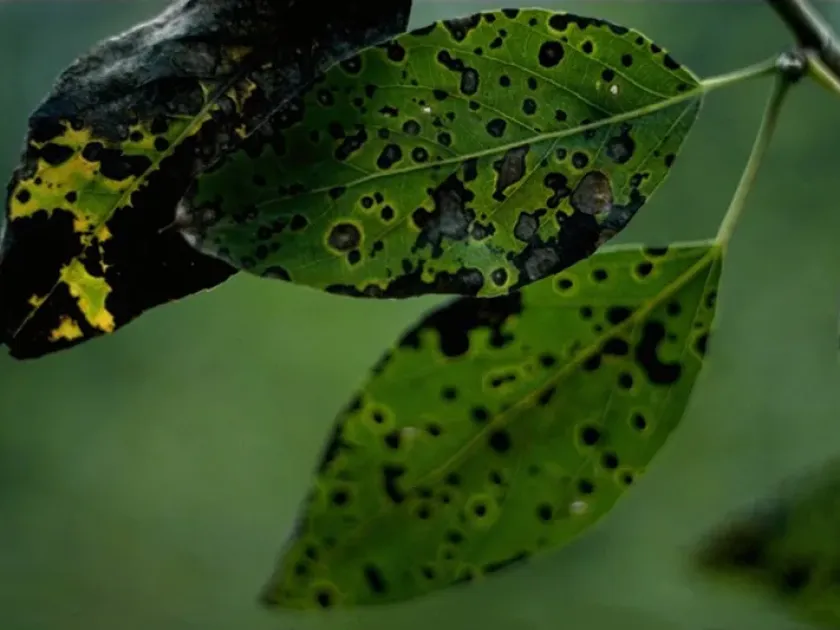
The primary symptom of the disease is the appearance of small, round, or angular spots on the poplar leaves, which gradually turn brown.
Over time, these lesions develop tiny black fruiting bodies, known as pycnidia or perithecia, clearly visible on the surface of the infected tissue.
As the infection progresses, individual spots merge together, covering large areas of the leaf blade and leading to chlorosis and necrosis.
A classic sign of advanced infection is premature leaf drop, which often begins in late summer and can leave the tree partially defoliated.
Young saplings in nurseries may show severe symptoms including leaf distortion and stunted growth, which impacts their overall market value.
Pathogen
The disease is caused by the ascomycete fungus Mycosphaerella ellipsoidea, an obligate parasite of poplar species.
The fungus survives the winter primarily as mycelium or as dormant fruiting bodies within the leaf litter beneath the host tree.
In spring, the pathogen produces spores that are dispersed by wind and rain splashes, initiating primary infections on developing leaves.
The pathogen utilizes both sexual and asexual reproductive stages, which allows it to spread rapidly during favorable growing seasons.
The fungus specifically attacks the foliage of Populus species, effectively inhibiting the plant's ability to produce energy through photosynthesis.
Conditions for development
Mycosphaerella leaf spot thrives in environments characterized by high humidity, frequent rainfall, and moderate temperatures throughout the summer.
Dense plantings restrict airflow, creating a persistent microclimate that keeps leaves wet for extended periods, favoring spore germination.
Trees stressed by drought, poor soil quality, or nutrient deficiencies exhibit reduced natural resistance and are more susceptible to colonization.
The presence of overwintered, infected leaf debris under the tree canopy provides a direct and immediate source of inoculum for the new season.
Extended periods of rainy weather in May and June significantly increase the pressure of the disease across forest stands and plantations.
Why it matters
The major impact is the premature loss of leaf surface area, which leads to reduced photosynthetic capacity and overall tree physiological decline.
Frequent or severe infections significantly decrease annual wood growth and can make the trees more vulnerable to harsh winter conditions.
In landscape architecture, the aesthetic impact is severe, as early defoliation ruins the visual appearance of public parks and residential alleys.
Long-term infestation weakens the tree's immune system, making it more prone to secondary infestations by boring insects and other pathogens.
In commercial nurseries, the infection can render entire batches of seedlings unsellable due to their unhealthy and unattractive appearance.
Protection
Sanitation is the most effective preventative measure: all fallen leaves must be raked up and destroyed or deep-buried every autumn.
Pruning branches to improve crown ventilation and sunlight penetration helps to dry out foliage faster, reducing the risk of fungal infection.
Chemical control involving copper-based fungicides or systemic anti-fungal agents may be applied during the early stages of disease development.
Choosing resistant clones or species when establishing new plantations is a critical strategy for long-term integrated pest management.
- Ensure adequate spacing between trees for better air circulation.
- Maintain proper plant nutrition to boost host vigor.
- Monitor plantations closely during the spring flush of leaves.
- Utilize preventative fungicide applications in high-risk zones.
Discussion
No discussions yet — be the first.