
Montagnulaceae
Montagnulaceae
Description
Symptoms
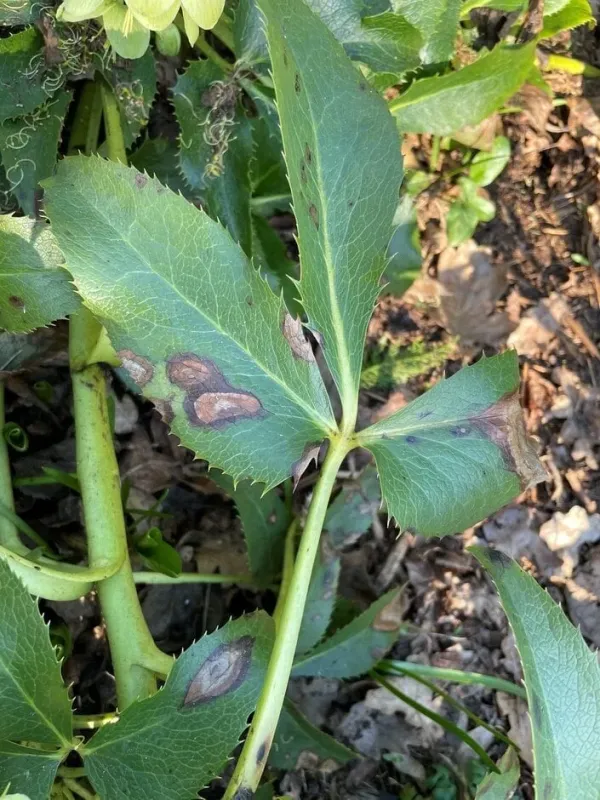
Initial infection often manifests as chlorotic spots that gradually develop into necrotic lesions, ranging in color from light brown to deep dark brown.
Small black pimple-like structures, which are the fungal ascostromata, frequently appear within the necrotic areas, serving as a key diagnostic feature of this fungal family.
The disease frequently leads to premature senescence or wilting of the foliage, drastically reducing the photosynthetic capacity and overall health of the affected plant.
Affected stems often exhibit structural weakness and deformation, with growth processes noticeably stunted as the plant struggles to overcome the fungal invasion.
As the disease progresses, localized necrotic spots may merge, covering large portions of leaves or stems, ultimately leading to tissue collapse and plant mortality in severe cases.
Pathogen
The Montagnulaceae family belongs to the order Pleosporales within the Dothideomycetes class. These are primarily saprotrophic fungi that can shift to a parasitic lifestyle when plant defenses are compromised.
Pathogens of this family typically produce ascostromata embedded within plant tissues. These structures contain locules where asci and spores are formed, initiating primary infection during favorable environmental conditions.
While often found on decaying plant debris, these fungi can opportunistically colonize living stems and leaves, especially when moisture levels are consistently high in the canopy.
Dissemination is primarily achieved through airborne ascospores, allowing the pathogen to travel significant distances. Under wet conditions, conidia may also form, facilitating rapid secondary spread throughout a crop.
The lifecycle of the pathogen is closely tied to plant residues, where it can persist for long periods, serving as a reservoir for infection in the following growing season.
Conditions for development
High humidity and moisture are the most critical factors driving the development of Montagnulaceae infections. Persistent rain, fog, and heavy dew create the necessary conditions for spore germination.
The optimal temperature range for the pathogen typically aligns with mild spring or autumn conditions, which allow for steady fungal growth and sporulation.
Poor agricultural practices, such as dense planting or lack of airflow management, contribute significantly to the rapid spread of the disease within a field.
Surface-level plant residues provide the primary habitat for the pathogen to overwinter. Unincorporated debris serves as a continuous source of inoculum for newly emerging crops.
Nutrient deficiencies and other abiotic stressors that weaken plant immunity make the crop more susceptible to the colonization and rapid spread of the fungus.
Why it matters
The primary economic impact of Montagnulaceae involves a substantial reduction in the quality and marketable value of the harvest, as tissues become discolored and brittle.
The disease causes a measurable loss in crop biomass, as the host plant diverts metabolic energy toward defense and repair rather than yield development and seed filling.
Infection of reproductive parts or flower stalks can lead to significant reductions in seed yield, which is particularly devastating for seed production fields.
Structural damage to stems can trigger widespread lodging, preventing efficient mechanical harvesting and leading to further losses during the collection process.
Increased vulnerability to secondary pathogens and pests is a common consequence of an weakened host plant, complicating long-term plant protection strategies.
Protection
Effective management begins with robust crop rotation practices that prevent the continuous buildup of the pathogen in the soil and on crop fields over successive years.
Proper sanitation, including the deep incorporation or removal of infected plant residues, is essential to minimize the primary inoculum load before the next planting season.
- Selection of high-quality, treated seed to minimize initial disease pressure.
- Balanced fertilization programs to ensure crops maintain strong natural resistance.
- Consistent field scouting to detect the first signs of infection and act immediately.
When environmental conditions favor disease and symptoms appear, the application of systemic fungicides, such as triazoles or strobilurins, is recommended to curb the spread.
Effective weed management is also necessary, as many common weeds can act as alternative hosts, maintaining the fungal population even in the absence of the primary crop.
Discussion
No discussions yet — be the first.