
Microcystis
Microcystis toxica
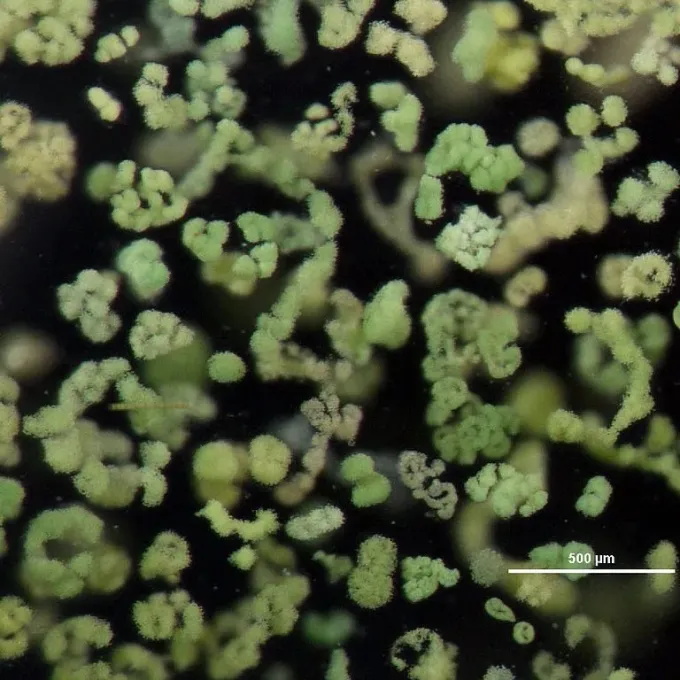
Description
Pathogen
Microcystis is a genus of freshwater cyanobacteria that commonly triggers harmful algal blooms in stagnant water bodies used for irrigation.
While not a plant pathogen in the traditional sense, it acts as a stressor by releasing potent hepatotoxins and neurotoxins, known as microcystins.
The species formerly classified as Microcystis toxica is recognized for its ability to produce high concentrations of these toxic metabolites.
These organisms are prokaryotic, photosynthetic bacteria that float in the water column using specialized gas vesicles to regulate buoyancy.
They form large, visible colonies that appear as green scum on the surface, which is a key diagnostic feature for farmers and land managers.
Conditions for development
The proliferation of Microcystis is highly dependent on eutrophication, specifically high nitrogen and phosphorus loading in water sources.
Warm water temperatures, typically ranging from 20°C to 30°C, provide the thermal environment necessary for rapid cell division and bloom formation.
Low water flow, common in reservoirs and irrigation ditches during summer, prevents the dilution of nutrients and supports colony aggregation.
High light intensity levels in clear, still water accelerate the photosynthetic process, leading to dense blooms that can cover entire pond surfaces.
Runoff from agricultural lands containing excess fertilizers is the primary driver of nutrient enrichment that feeds these cyanobacterial populations.
Why it matters
Irrigation with water containing Microcystis can introduce toxins to crops, which often leads to reduced seedling germination and stunted root development.
Toxic accumulation within plant tissues has been reported to interfere with photosynthetic efficiency and general metabolic pathways of various vegetables.
The physical presence of algal biomass causes mechanical failures in irrigation equipment, such as clogging pipes, nozzles, and filtration systems.
Chronic exposure to microcystins may lead to long-term soil health degradation by disrupting beneficial microbial communities in the rhizosphere.
The toxins pose a significant risk to food safety if residues persist on edible portions of the crops after harvest, potentially impacting marketability.
Protection
The most effective strategy is the mitigation of nutrient runoff through the implementation of buffer strips and improved fertilizer management practices.
Mechanical aeration is a recommended technique to increase water circulation and prevent the development of the floating mats characteristic of this genus.
Biological control agents, including specific bacterial species that naturally degrade cyanobacteria, provide a sustainable alternative to chemical treatment.
When chemical intervention is necessary, the use of algaecides must be managed carefully to prevent the massive release of intracellular toxins into the water.
- Monitoring water transparency and nutrient levels regularly.
- Installing multi-stage filtration units for irrigation systems.
- Removing sludge and organic sediment from reservoirs annually.
Discussion
No discussions yet — be the first.