
Merismopedia algae
Merismopediaceae
Description
Symptoms
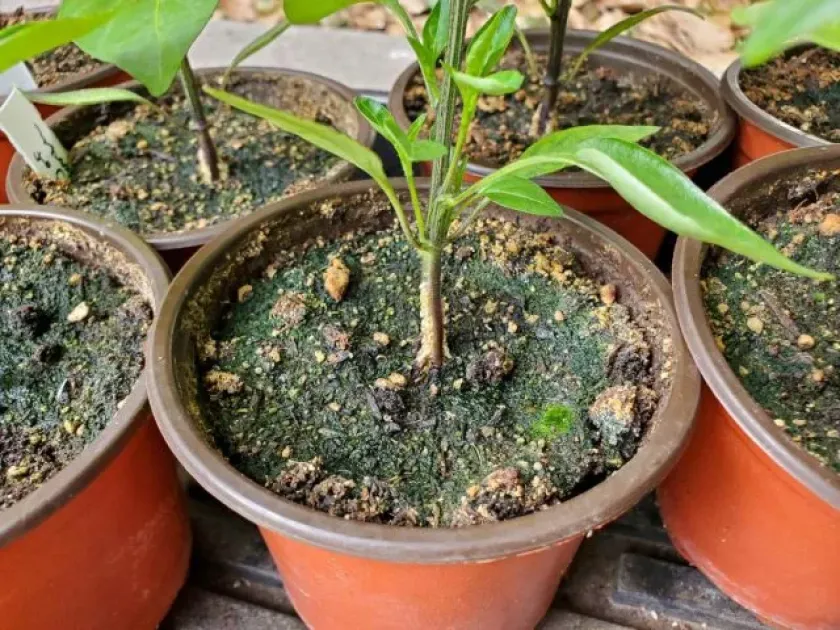
The primary symptom of infestation is the appearance of a bright blue-green or deep green slimy film on the soil surface, water, or plant stems.
As the colony expands, it forms a dense, mucilaginous layer that physically envelops leaves and stems, significantly hindering gas exchange and plant respiration.
Infested crops may exhibit symptoms of chlorosis or yellowing due to the lack of light penetration and impaired photosynthetic activity caused by the algal cover.
A distinct, musty or stagnant odor is often associated with the presence of these algal colonies, especially as they begin to decompose under high-temperature conditions.
- Visible bright green slimy coating on plants.
- Reduced growth and seedling stunting.
- Yellowing of leaves (chlorosis).
- Physical damage to plant tissues under the film.
Pathogen
Merismopedia algae (family Merismopediaceae) are a type of cyanobacteria known for forming plate-like, tabular colonies surrounded by a mucilaginous sheath.
These organisms are photosynthetic and can thrive in aquatic or highly moist agricultural environments, acting as opportunistic epiphytes that colonize crop surfaces.
In agronomy, their proliferation is most often observed in rice paddies and water-logged fields where sunlight and nutrient-rich water create an ideal growth medium.
While not primary plant pathogens, their massive growth, known as algal blooms, creates physiological stress for the host plants by covering them in a dense, slimy film.
The biological nature of these organisms allows them to fix nitrogen, which further supports their ability to colonize and persist in diverse agricultural conditions.
Conditions for development
The development of Merismopedia is highly dependent on stagnant water, as these algae require consistent moisture to thrive and form colonies.
High temperatures in both the air and irrigation water accelerate the cell division of the algae, leading to rapid colonization of field surfaces.
Excessive use of nitrogen and phosphorus fertilizers leads to nutrient-rich water, which significantly stimulates the growth rate of cyanobacteria blooms.
Poor circulation of water in irrigation channels and paddies prevents the disruption of algal mats and fosters their stabilization on crop surfaces.
Low light penetration in dense crop canopies near the soil level can be mitigated by the algae's ability to maximize photosynthetic efficiency in shallow, wet environments.
Why it matters
The main harm caused by these algae is the mechanical suppression of plant growth by creating a barrier that blocks sunlight and essential carbon dioxide exchange.
Under the thick mucilaginous layer, plants suffer from oxygen deficiency and increased susceptibility to secondary microbial infections or rots.
Certain metabolic byproducts of these cyanobacteria can exert mild toxic effects on the roots of young plants, hindering nutrient uptake and overall development.
The presence of algae makes field management difficult, as the slimy surface can interfere with mechanical equipment and daily agricultural operations.
Severe infestations can lead to significant yield losses in rice, particularly during the early stages of crop development when plants are most vulnerable.
Protection
Effective control starts with proper water management, including periodic draining and drying of fields to break the life cycle of the algae.
Regular maintenance and cleaning of irrigation ditches prevent the influx of algae spores into the main crop areas during the watering cycle.
Optimizing fertilizer application, specifically avoiding nitrogen and phosphorus overload, is crucial to minimize the conditions that favor algal blooms.
The use of selective algicides is recommended when the algal infestation reaches an economic threshold that threatens crop health and productivity.
Implementing crop rotation and soil aeration techniques can disrupt the environmental niche occupied by these algae, reducing the potential for future outbreaks.
Discussion
No discussions yet — be the first.