
Sugarcane streak virus
Mastrevirus saccharofficinari
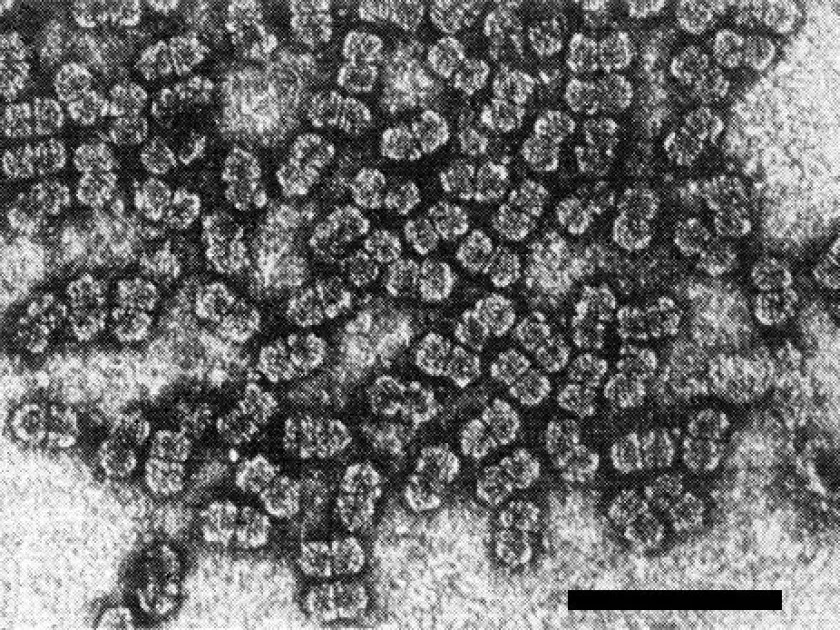
Description
Symptoms
The most prominent symptom of the disease is the appearance of narrow, elongated stripes on the leaves, which run parallel to the veins. Initially, these stripes are pale or yellowish, but they often merge as the infection progresses.
As the disease advances, the affected tissues exhibit significant chlorosis, which severely hampers the plant's photosynthetic capacity. This leads to stunted growth, thinning of the stalks, and a loss of typical plant architecture.
In severe cases, the tips of the shoots become deformed, and the overall development of the plant clump becomes erratic. Leaves may turn yellow and wither prematurely, significantly reducing the crop's vigor and yield potential.
The external manifestations of the disease can sometimes be confused with nutrient deficiencies, but the specific pattern of alternating healthy and diseased tissue is a diagnostic key.
Symptoms are most noticeable during periods of active vegetative growth, as the plant demands maximum resources to build biomass.
Pathogen
The causal agent is the Mastrevirus saccharofficinari, a virus belonging to the Geminiviridae family. Its genome consists of a single-stranded circular DNA molecule.
The virus is primarily transmitted by insect vectors, specifically leafhoppers. These insects ingest viral particles while feeding on the sap of infected plants, subsequently spreading the pathogen to healthy ones.
The virus demonstrates high adaptability to various environmental conditions, allowing it to circulate effectively within sugarcane agricultural ecosystems.
The virus's life cycle is closely linked to the biology of its insect vector, which acts as a crucial link in the chain of infection across crop fields.
The pathogen's genetic stability ensures its long-term survival in the tissues of perennial plants, which serve as natural reservoirs for the virus.
Conditions for development
The spread of the virus is directly correlated with the population density of leafhoppers, which thrive in warm, humid weather. High humidity supports the activity and longevity of these insect vectors.
Optimal conditions for infection occur during prolonged periods of warm, calm weather, which facilitate the movement of vectors between host plants.
The presence of weeds, which can act as secondary hosts for the virus or as shelters for leafhoppers, significantly increases the risk of rapid infection across the entire field.
Excessive application of nitrogen fertilizers, which promotes lush and soft tissue growth, makes plants more attractive to insect pests and facilitates virus transmission.
Lack of crop rotation and poor quarantine measures when sourcing planting material provide ideal conditions for disease outbreaks in agricultural plots.
Why it matters
The primary damage caused by the virus is a drastic reduction in biomass yield. Due to metabolic disturbances, plants fail to synthesize and accumulate sufficient levels of sugar.
The infection leads to a decrease in the quality of raw material, which is critical for the sugar processing industry as the sucrose content in the stalks drops significantly.
Infested plantations become more susceptible to secondary fungal and bacterial infections, which colonize weakened plant tissues and accelerate their decay.
The virus spreads systemically throughout the plant, rendering the entire clump unsuitable for future vegetative propagation.
Economic losses are driven by the costs of monitoring, pesticide applications, and the loss of crop sections that must be removed to prevent further spread.
Protection
The cornerstone of management is the use of virus-free planting material derived from meristematic tissue culture in certified laboratories.
Controlling the population of insect vectors through timely and strategic insecticide applications is essential for reducing the risk of primary and secondary field infections.
Cultural practices, including the removal of weeds around the fields, are vital as they eliminate potential reservoirs of the virus and habitats for the vectors.
Maintaining spatial isolation between new plantings and older, potentially infected plots is a mandatory quarantine requirement for disease prevention.
Regular phytosanitary monitoring of the fields, followed by the immediate rogueing and destruction of infected plants, helps to contain disease outbreaks at an early stage.
Discussion
No discussions yet — be the first.