
Maple mosaic
Maple mosaic agent
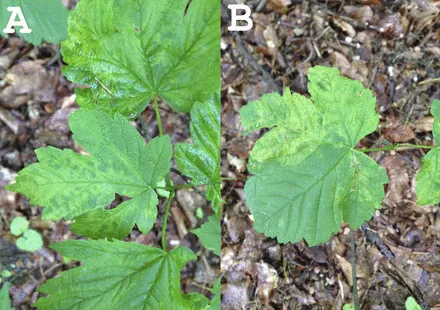
Description
Symptoms
The primary symptom of maple mosaic is the development of a distinct mosaic pattern on the leaf blades. Affected areas show an irregular mix of normal green tissue and pale green, yellow, or cream-colored patches.
In many cases, the leaves exhibit visible malformation, including crinkled or puckered surfaces and distorted vein structures. The margins of the leaves may become uneven or curled, significantly affecting the tree's visual appeal.
Symptoms often appear as faint, mottled, or ring-like spots that become more pronounced as the season progresses. The intensity of these symptoms can vary depending on the specific maple variety and environmental stress factors.
Infected branches often show reduced vigor and stunted growth, leading to an irregular and sparse crown. In severe cases, trees may experience premature leaf drop, starting as early as mid-summer.
The virus causes a systemic infection, meaning symptoms can appear on individual branches or throughout the entire canopy, reflecting the internal spread of the pathogen within the tree's vascular system.
Pathogen
The pathogen responsible is a virus that persists within the plant tissues. It is primarily transmitted mechanically through tools or via infected grafting material, making human activity a common vector.
Insect vectors, particularly sap-sucking insects like aphids, leafhoppers, and some mite species, play a critical role in spreading the virus from infected trees to healthy specimens in the landscape.
Once inside the plant, the virus interferes with normal cellular metabolism, specifically inhibiting chlorophyll synthesis in the affected leaf areas. This disruption leads to the characteristic chlorotic appearance of the foliage.
The virus is capable of surviving for long periods within the tree's perennial tissues, including the buds, ensuring that the infection remains present for several years or until the tree's decline.
Due to the nature of viral pathogens, there is currently no curative chemical treatment for maple mosaic. The virus remains active within the host, making it a persistent and challenging issue for arborists.
Conditions for development
Viral transmission and symptom expression are most favorable during warm, humid periods when insect activity is at its peak. High population densities of insect vectors significantly increase the risk of rapid disease spread.
Stress factors, such as drought, nutrient deficiency, or mechanical injuries to the trunk and branches, can weaken the tree's natural defenses, making it more susceptible to viral infections and symptom manifestation.
The practice of propagation through grafting without proper sanitation is a major factor in the spread of the disease. Using unsterilized knives allows the virus to move directly from infected donor tissues to new stock.
Environmental fluctuations, particularly extreme temperature changes, can trigger latent infections, causing the mosaic symptoms to become suddenly apparent after a period of relative dormancy.
The presence of nearby reservoirs, including certain weed species that can host the virus, can lead to recurring infections if these weeds are not managed properly within the nursery or garden environment.
Why it matters
The main impact of maple mosaic is the overall weakening of the tree. The reduction in photosynthetic capacity limits the energy available for growth, root development, and defense against other environmental stresses.
For the nursery industry, the disease causes significant economic loss. Infected plants lose their ornamental value and aesthetic quality, often rendering them unsellable and requiring mass culling.
In the landscape, affected trees show stunted annual growth and structural decline. As the disease progresses, branches become brittle, leading to poor form and increased vulnerability to winter damage or wind breakage.
While the disease rarely kills the tree outright, the chronic stress makes it highly susceptible to secondary infections by fungi and other opportunistic pests that thrive on weakened trees.
The long-term impact includes the premature death of the tree, which represents a loss of investment in terms of time, labor, and the ecological benefits the tree provides to the local environment.
Protection
The most effective management strategy is the identification and removal of infected trees to prevent further spread. All removed material should be destroyed, ideally by burning or deep burial, to eliminate the viral source.
Prevention relies heavily on sourcing certified, disease-free planting stock. Always inspect new trees for any signs of mottling or leaf deformation before introducing them into your collection.
Strict sanitation protocols for pruning and grafting tools are essential. Regularly disinfect tools using ethanol or bleach solutions to prevent the mechanical transfer of the virus between trees.
Integrated pest management (IPM) focusing on the control of aphids and leafhoppers is crucial to minimize the chance of natural virus transmission in the orchard or park setting.
Maintaining optimal tree health through proper irrigation and balanced fertilization helps the tree manage the infection better, prolonging its life and preserving its appearance for as long as possible.
Discussion
No discussions yet — be the first.