
Lycogala
Lycogalaceae
Description
Symptoms
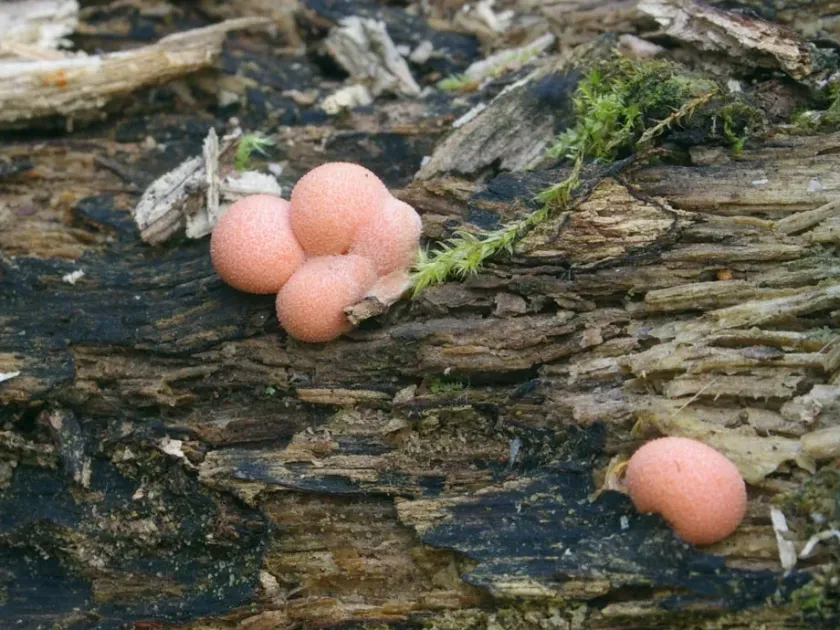
The most recognizable sign is the appearance of small, spherical fruiting bodies that look like tiny pink, orange, or grey bubbles on wood surfaces.
When mature, these structures are often filled with a dry, spore-bearing mass that can be easily dispersed by wind, rain, or physical contact.
The fruiting bodies often cluster at the base of trees or in crevices where water collects, making them visible during damp periods.
They can form noticeable crusts on the bark of weakened trees, sometimes changing color from bright pink when young to dull gray or brown when old.
In cases of infestation, the surface of the bark may appear covered in a dusty or powdery film once the spores are released.
Pathogen
Lycogala is a genus of myxomycetes, commonly known as slime molds, and it is not a parasitic pathogen that infects living plant tissues.
It exists as a plasmodium—a multinucleated mass of protoplasm—that moves slowly across surfaces, feeding on microorganisms and decaying organic matter.
These organisms are classified as saprotrophs, meaning they play a natural role in breaking down dead plant material such as rotting wood, stumps, and bark.
Lycogala does not attack healthy plants but rather colonizes surfaces that are already decaying or have excess moisture accumulation.
In agricultural practice, its presence is rarely a threat to crop yield but is considered a biological indicator of high moisture levels and poor aeration.
Conditions for development
The development of Lycogala is strictly tied to high humidity levels and the availability of moist, decaying organic substrates.
Extended periods of rainy weather or improper irrigation techniques that keep bark consistently wet promote the growth of these slime molds.
Shaded areas with poor airflow provide the perfect environment for these organisms, as the lack of direct sunlight prevents rapid surface drying.
Using improper mulch or allowing organic waste to accumulate against the trunk of a tree creates a perfect habitat for colonization.
Poorly ventilated greenhouses or nursery environments with constant high moisture are also conducive to the development of these slime mold populations.
Why it matters
Lycogala does not cause direct disease or plant death; however, it can mask or exacerbate underlying issues with the tree’s health.
Large colonies can block the lenticels of the bark, slightly hindering the gas exchange necessary for the plant’s health and respiration.
Its presence is often a warning sign that the wood beneath the bark is already rotting or compromised, attracting other pests and diseases.
In ornamental horticulture, the presence of these slime molds is considered unsightly and degrades the aesthetic quality of the plants.
While not toxic to the plant, the spores can be a source of discomfort for humans sensitive to fungal or organic dust during maintenance.
Protection
Sanitation is the primary control method: removing rotting wood, stumps, and excessive organic debris from the garden environment.
Improving tree aeration through proper pruning techniques will increase sunlight exposure and promote the drying of bark surfaces.
For small infestations, mechanical removal using a stiff brush followed by a fungicide application can effectively clean the affected bark area.
- Increase airflow around the base of the tree.
- Avoid over-mulching directly against the trunk.
- Monitor humidity levels in enclosed growing spaces.
Addressing the root cause—excessive moisture and poor drainage—is the most sustainable way to prevent the recurrence of Lycogala in your garden.
Discussion
No discussions yet — be the first.