
Lycogala
Lycogala
Description
Symptoms
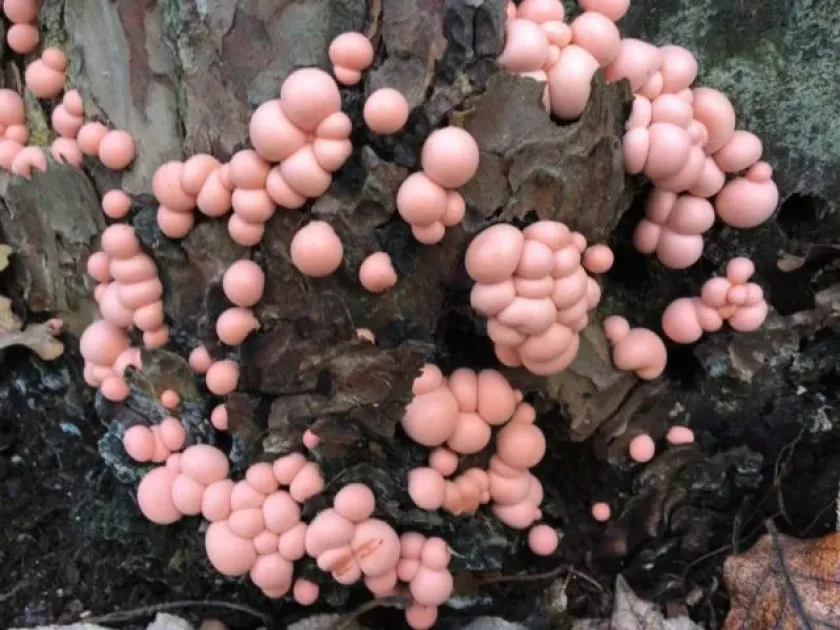
Lycogala, commonly known as Lycogala epidendrum, typically appears as small, spherical, bead-like structures.
Initially, these structures have a vibrant pink or coral-red color, making them quite striking on tree bark or logs.
As the organism matures, the color shifts to a brownish or grayish tone, and the structure becomes fragile and brittle.
Upon rupture, a mass of fine, powder-like spores is released, which are easily dispersed by wind and water across the surrounding area.
They are most frequently observed in clusters on rotting logs, stumps, or wet, decaying wood in shaded garden environments.
Pathogen
Lycogala is not a fungus or a plant pathogen, but rather a myxomycete, commonly referred to as a slime mold.
Its biological cycle includes a plasmodium stage, where it functions as an amoeboid organism capable of slow movement.
It feeds by phagocytosis, consuming bacteria, fungal spores, and decomposing organic matter found on the surface of the wood.
It does not possess the capacity to infect healthy, living plant cells, nor does it derive nutrients from living hosts.
As a saprotrophic organism, it plays a role in the natural decomposition cycle rather than acting as a plant disease.
Conditions for development
Development of Lycogala is strictly governed by high humidity levels and the availability of decaying organic substrates.
Periods of prolonged rain and warm temperatures provide the ideal environment for the activation and rapid growth of the plasmodium.
Areas with poor ventilation, where moisture remains trapped on logs or tree stumps, are prime locations for their colonization.
Shaded, damp garden corners often harbor these organisms because they prevent the rapid evaporation of water from the substrate.
Lack of proper garden hygiene and accumulated leaf litter or debris can create the moist microclimate required for their survival.
Why it matters
Lycogala does not cause damage to agricultural crops, ornamental plants, or healthy trees in the traditional sense.
However, it serves as a biological indicator of excessive moisture and ongoing decay processes within your garden or orchard.
While the slime mold itself is harmless, its presence is often associated with wood-decaying fungi that can damage timber.
The aesthetic impact of large clusters of these organisms can be a concern for gardeners focused on visual appeal.
It can also complicate the early diagnosis of plant diseases by masking the underlying condition of the bark or stem.
Protection
Chemical control using fungicides is ineffective and unnecessary, as Lycogala is not a fungal parasite of plants.
Effective management focuses on physical removal of the decaying organic matter that serves as its substrate.
Removing old stumps, rotting logs, and excessive debris from the orchard will significantly reduce its population.
Improving drainage and ensuring proper air circulation within the canopy helps keep surfaces dry and inhospitable.
Regular sanitation of the garden is the most sustainable approach to preventing the reappearance of these organisms.
Discussion
No discussions yet — be the first.