
Limnephilidae
Limnephilidae
Description
Symptoms
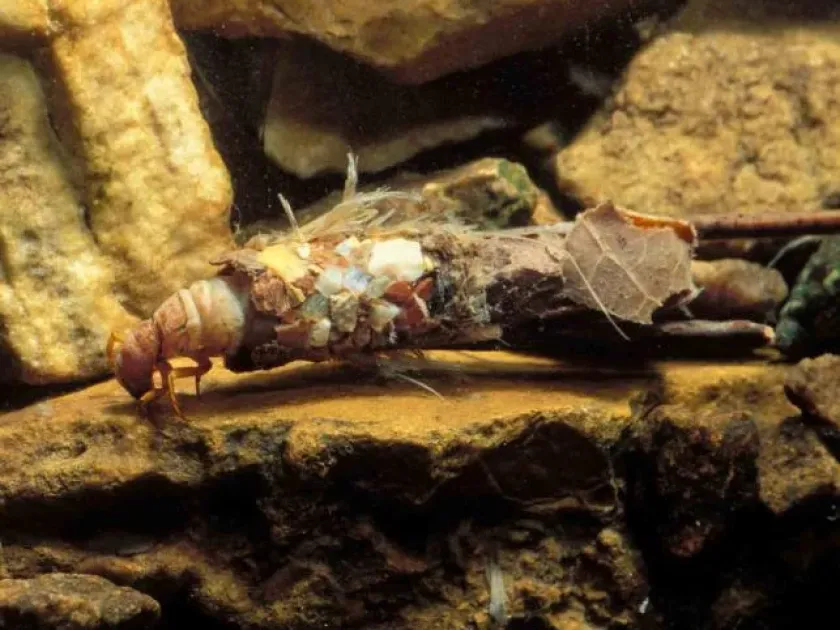
The presence of cases attached to plant stems and leaves is the most distinct sign of infestation by Limnephilidae larvae.
Leaves exhibit skeletonization or large irregular holes where the larvae have scraped or bitten away the softer parenchyma tissues.
Stems may show evidence of deep grazing or girdling, which can weaken the plant structure and eventually lead to lodging.
Floating fragments of vegetation within a water field are often the result of larvae cutting material to feed or expand their cases.
Infested plants usually show signs of stunted growth, chlorosis, or necrotic patches in areas where the tissue has been breached.
Pathogen
Limnephilidae is a family of caddisflies (order Trichoptera) whose larvae, while primarily aquatic decomposers, can act as pests in agricultural systems.
They are not plant pathogens in the traditional sense, but their herbivorous activity causes significant mechanical damage to aquatic crops.
The adults are moth-like insects that thrive in humid environments near wetlands, irrigation ditches, and various water bodies.
The larvae are well-known for creating protective cases from pebbles, sand, or plant material, which protect them from many natural predators.
While many species feed on detritus, some are capable of shifting their diet to live plant tissues, particularly in disturbed or artificial ecosystems.
Conditions for development
Limnephilidae populations proliferate in stagnant or slow-moving water, making irrigation channels and flooded crop fields ideal habitats.
The availability of high organic matter concentrations on the bottom of water bodies serves as an essential food source for early larval stages.
Warm water temperatures increase the feeding frequency and overall activity of the larvae, leading to faster plant destruction.
Dense vegetation around the edges of water fields provides cover for adult caddisflies to lay eggs safely throughout the season.
Poorly maintained hydrological systems with frequent water fluctuations can sometimes force larvae to migrate onto standing crops.
Why it matters
The primary concern is the damage to rice crops and other aquatic vegetables, where larvae can devour significant parts of the foliage.
Wounds caused by larval feeding serve as entry points for various bacterial and fungal pathogens, leading to systemic plant diseases.
By consuming vascular tissues, larvae disrupt the plant's ability to transport nutrients, directly impacting yield and seed development.
Heavy infestations can lead to substantial losses in plant density and biomass, necessitating costly replanting efforts in affected zones.
The reduction in the overall vigor of the plants makes them more susceptible to subsequent stressors and environmental challenges.
Protection
Effective management includes the systematic removal of excessive aquatic vegetation from irrigation canals to reduce nesting sites.
Biological control methods, such as the introduction of predatory fish species, can significantly reduce the larval population in water fields.
Water level management, such as temporary drying of fields, can effectively disrupt the larval life cycle and force migration.
Strict monitoring of the early stages of infestation helps to intervene before the larvae cause irreparable damage to the crop.
Integrated Pest Management (IPM) practices focusing on ecosystem health and mechanical prevention are preferred over chemical interventions.
Discussion
No discussions yet — be the first.