
Lilac mottle
Lilac mottle virus
Description
Symptoms
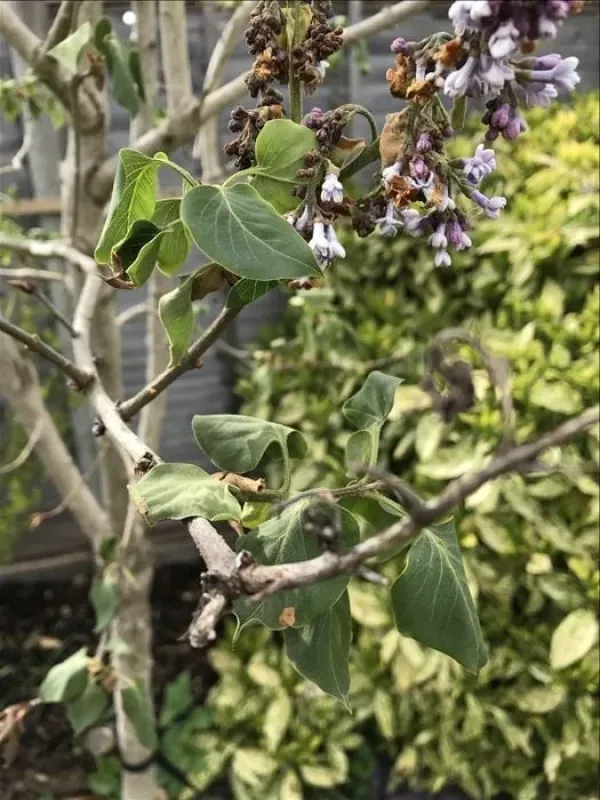
The initial signs of lilac mottle include the appearance of spots that vary in color from pale yellow to brown or gray. These spots can be circular, angular, or irregularly shaped, depending on the specific type of fungus involved.
Over time, these spots tend to enlarge and may coalesce, covering a significant portion of the leaf surface. A common diagnostic feature is the presence of small, dark, raised dots (pycnidia) within the center of the necrotic tissue.
Infected leaves often show signs of chlorosis, curling, and early senescence. Under humid conditions, the affected areas may become soft or necrotic, leading to premature leaf drop, which can significantly defoliate the plant by mid-summer.
Infection typically begins at the lower part of the shrub, where humidity is higher and air circulation is poorer, and gradually spreads upwards. In severe cases, the fungus may also cause distortions on young shoots.
- Appearance of irregular, discolored spots on leaf blades.
- Small, black fruiting bodies visible on the spot surfaces.
- Early leaf fall during the peak summer months.
- Distortion and curling of affected leaves.
- Reduced vigor and stunted growth of the shrub.
Pathogen
Lilac mottle and associated leaf spot diseases are typically caused by pathogenic fungi such as Phyllosticta, Septoria, or Ascochyta. These microorganisms invade leaf tissues, utilizing the plant's nutrients for their metabolic processes and reproduction.
The condition is classified as a fungal disease. The pathogen develops within the leaf parenchyma, where it produces microscopic fruiting bodies known as pycnidia. These structures serve as the primary source of spore dispersal throughout the growing season.
The fungi typically overwinter in fallen leaves and other plant debris beneath the shrub. When favorable environmental conditions return in the spring, the spores become active and initiate the cycle of infection on newly emerging foliage.
Pathogen activity involves the degradation of cell walls and the disruption of normal cellular functions. As the fungus feeds on the plant tissue, it releases toxins that lead to localized cell death and the characteristic spotting patterns observed on the leaves.
Accurate identification of the specific fungal species often requires microscopic examination of the spores and pycnidia. Understanding the specific biology of the pathogen is essential for implementing targeted control measures.
Conditions for development
The development of lilac mottle is heavily favored by prolonged periods of high humidity and moderate temperatures. Rainy summers and heavy dew provide the moisture necessary for fungal spores to germinate and penetrate the leaf tissues.
Poor air circulation, often caused by overcrowding or lack of proper pruning, creates a microclimate where moisture persists on foliage for longer periods. This moisture is essential for the pathogen to establish a successful infection.
Inadequate sanitation in the garden, particularly leaving leaf litter on the ground, provides an ideal environment for the fungus to overwinter. A high level of inoculum in the soil ensures that the disease will reappear in subsequent seasons.
Plants that are stressed due to nutritional deficiencies, improper watering, or secondary pest infestations are more susceptible to fungal attacks. A healthy, well-nourished shrub has better natural defenses against pathogens.
Disease outbreaks usually peak during the second half of the growing season when temperatures are consistently warm. During this time, the fungus can spread rapidly through the canopy, aided by rain splashes and wind currents.
Why it matters
The primary damage caused by lilac mottle is premature defoliation. By losing its leaves before the end of the season, the shrub is unable to produce sufficient energy through photosynthesis, weakening its overall vigor.
The aesthetic value of the lilac is significantly diminished, making the plant look unsightly for much of the summer. This is particularly problematic in ornamental landscapes where appearance is a top priority.
The disruption of energy storage affects flower bud formation, resulting in a reduced or absent bloom in the following season. Repeated infections can eventually lead to a decline in the shrub's overall health and productivity.
Winter hardiness is compromised as the shrub enters the dormancy period in a weakened state. Infected plants are much more prone to winter damage, including dieback of younger shoots and stems.
In severe or neglected cases, continuous infection over several years can lead to the slow decline and eventual death of the shrub. Maintaining healthy foliage is critical for the long-term survival and vitality of the plant.
Protection
Sanitation is the cornerstone of lilac mottle management. Regularly raking and disposing of all fallen leaves at the end of the season significantly reduces the amount of overwintering inoculum in the garden.
Preventative fungicide applications, particularly those containing copper, should be applied in early spring before bud break. This creates a protective barrier that helps prevent the initial infection of young leaves.
If symptoms appear during the growing season, systemic fungicides can be used to treat the infection. These products penetrate the leaf tissues and stop the progression of the fungus, allowing the plant to recover.
Improving cultural practices is vital: prune shrubs to encourage airflow, water the base of the plant to avoid wetting the leaves, and provide balanced fertilization to bolster the plant’s immune system.
When selecting new lilacs, choose cultivars known for their disease resistance. A combination of good hygiene, appropriate cultural techniques, and judicious use of fungicides will keep your lilacs healthy and thriving.
Discussion
No discussions yet — be the first.