
Lidophia graminis
Lidophia graminis
Description
Symptoms
Initial symptoms of the disease appear as chlorotic spots, which eventually elongate and transform into necrotic areas with a characteristic brown or greyish shade.
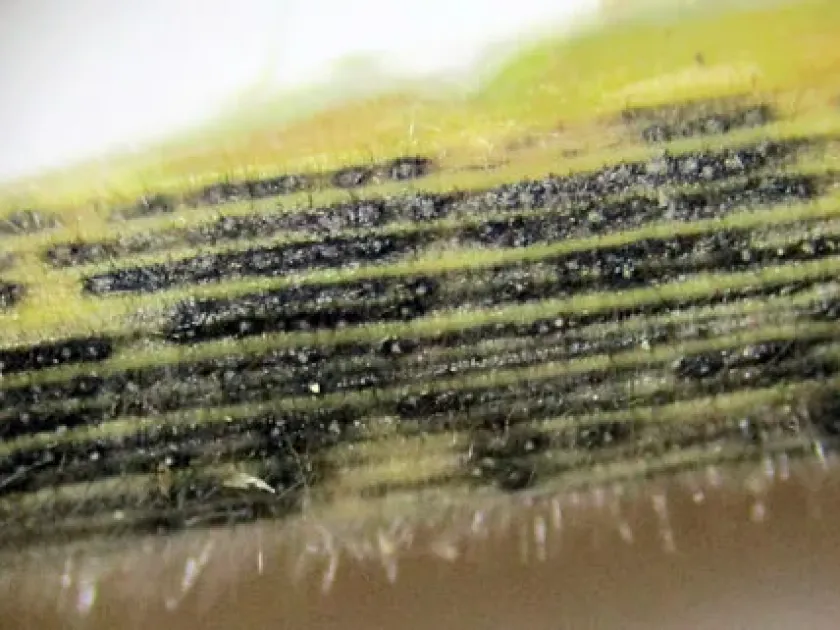
On the affected leaf surface, small dark structures — pycnidia — develop over time, serving as a critical diagnostic indicator for the presence of the pathogen.
Severe infection leads to premature drying and wilting of the leaves, starting from the lower canopy, which significantly reduces the photosynthetic efficiency of the crop.
As the disease progresses, the necrotic spots may coalesce, covering a large portion of the leaf area, which severely limits the plant's ability to fill the grains properly.
- elongated chlorotic lesions on leaves;
- presence of necrotic spots with dark pycnidia;
- premature leaf senescence and death;
- reduced plant vigor and stunted growth.
Pathogen
The causal agent of this disease is the ascomycetous fungus Lidophia graminis, which is specialized in infecting various cereal crops. Throughout its lifecycle, the fungus produces pycnidia and perithecia that allow it to persist on plant debris.
The infection survives in the soil and on crop residues for extended periods, serving as the primary inoculum source for new cereal crops during the spring season.
The fungus attacks primarily leaves and leaf sheaths, penetrating plant tissues through stomata or mechanical injuries caused during active plant growth.
Reproduction involves the production of conidia, which are disseminated by wind and rain droplets, facilitating the rapid spread of the disease across the field under favorable weather conditions.
The biology of Lidophia graminis is well-adapted to temperate climates, enabling it to colonize host plants efficiently when specific temperature and humidity thresholds are met.
Conditions for development
Moderate temperatures combined with high humidity are the ideal conditions for Lidophia graminis, promoting spore germination and infection on the leaf surface.
Prolonged rainfall, heavy morning dew, and foggy weather create a perfect microclimate for the pathogen to spread conidia and initiate secondary infection cycles.
Dense crop stands with poor aeration maintain higher humidity levels within the canopy, significantly accelerating the spread of the fungus between healthy plants.
Improper crop rotation, where cereals are grown too frequently in the same field, leads to an accumulation of inoculum and increases the overall disease pressure.
Excessive nitrogen fertilization may result in lush, susceptible plant tissues that are more vulnerable to colonization by this fungal pathogen during the growing season.
Why it matters
The economic damage caused by Lidophia graminis is primarily due to the reduction of the leaf area available for photosynthesis, leading to lower grain weight and reduced crop yield.
In addition to lower yields, the disease can negatively impact grain quality, affecting parameters like specific weight and protein content, which reduces the market value of the harvest.
Infected plants become more susceptible to secondary stressors, including drought, insect pests, and other fungal diseases, further compromising the overall crop performance.
The cost of managing the disease, through fungicide applications and labor, adds to the total production cost, potentially affecting the profitability of the cereal operation.
Severe infestations weaken the crop's resilience, which can lead to increased lodging and reduced survival rates in stress-prone environments.
Protection
Effective crop rotation is the fundamental preventive measure, as it disrupts the life cycle of the pathogen and prevents the buildup of inoculum in the field.
Deep plowing and proper residue management help incorporate infected plant debris into the soil, accelerating decomposition and destroying the fungus's survival structures.
Timely application of systemic fungicides, based on field monitoring and disease scouting, is essential for controlling the spread of the pathogen during the growing season.
The use of resistant or tolerant cereal varieties is the most sustainable long-term strategy for managing the disease and reducing the reliance on chemical inputs.
Regular monitoring of crop fields allows agronomists to identify the onset of the infection early and intervene with protective measures before the disease reaches epidemic proportions.
Discussion
No discussions yet — be the first.