
Lidophiosis
Lidophia
Description
Symptoms
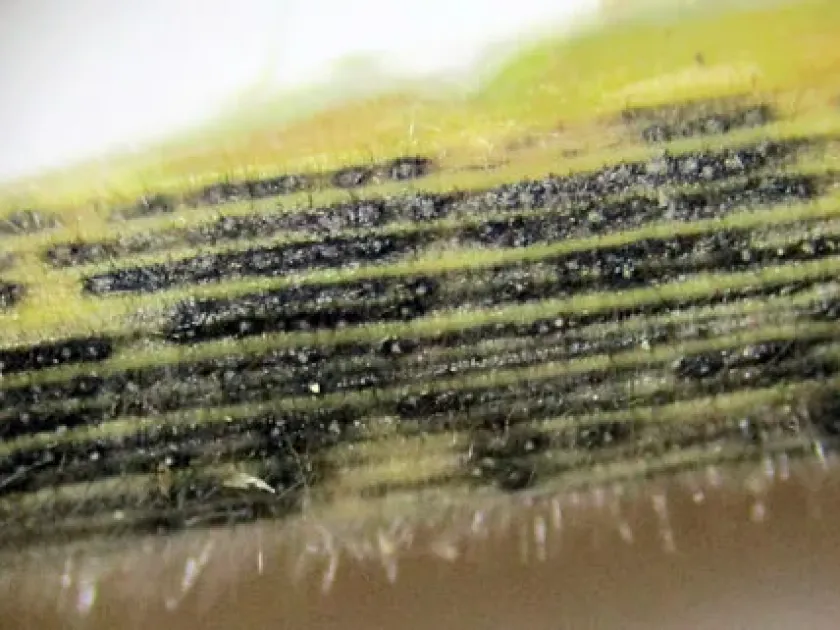
The most recognizable signs of lidophiosis are necrotic lesions on the leaves. These spots typically appear initially as small, light-colored areas that expand and turn dark brown over time.
A distinctive feature of the disease is the presence of a dark, often purplish or black border surrounding the infected spots. As the infection progresses, these lesions merge, covering large areas of the leaf surface.
Stem infections manifest as elongated cankers or streaks that can impede the flow of water and nutrients. This often leads to wilting and, in severe cases, the death of the entire plant or specific branches.
Under conditions of high humidity, the center of the necrotic spots may show small, pinpoint fruiting bodies of the fungus. This structure releases spores that facilitate the spread of the disease within the canopy.
In fruits or flowers, symptoms include sunken, rotting areas. These lesions can significantly reduce the shelf life and quality of the produce, leading to substantial post-harvest losses.
Pathogen
Lidophiosis is a fungal plant disease caused by pathogens of the Lidophia genus. As an ascomycete fungus, it acts as a parasitic organism capable of infecting various plant species, particularly when they are in a weakened physiological state.
The pathogen initiates infection by releasing enzymes that break down plant cell walls, allowing the hyphae to penetrate the epidermis. Once inside, the fungus colonizes the parenchyma tissue, disrupting the host's normal biological functions.
The life cycle of Lidophia involves the production of asexual spores (conidia). These spores are easily disseminated through environmental vectors such as wind, rain splash, and movement of insects or machinery across the field.
Survival of the pathogen between growing seasons is facilitated by its ability to act as a saprotroph. It persists on crop residues or within the soil, ready to infect new host plants once environmental conditions become favorable.
Correct identification of the pathogen often requires laboratory analysis. Determining the specific Lidophia species helps agronomists tailor management practices to the specific biological characteristics of the fungus.
Conditions for development
Environmental conditions play a critical role in the development of lidophiosis. High relative humidity and consistent moisture are the most significant factors promoting fungal activity.
The pathogen thrives in moderate temperature ranges, typically between 18°C and 25°C. During cool, wet seasons, the risk of rapid disease spread across the field increases significantly.
Poor agricultural practices, such as excessive planting density, create microclimates within the crop canopy where humidity remains trapped. This allows spores to germinate and infect plants more easily.
Inadequate soil drainage can also predispose plants to infection by stressing the root system and making the plants more susceptible to opportunistic pathogens like Lidophia.
Over-application of nitrogenous fertilizers can promote lush, succulent growth that is more vulnerable to infection. Balancing nutrient levels is essential for maintaining natural plant resistance.
Why it matters
The primary impact of lidophiosis is the reduction in photosynthetic efficiency due to the loss of functional leaf area. This leads to stunted growth and reduced biomass accumulation.
Yield loss is the most significant economic consequence of this disease. Farmers may see substantial reductions in both quantity and quality of crops due to premature leaf drop and fruit damage.
The infection consumes plant resources, making the crop more susceptible to secondary pathogens and abiotic stressors like drought or temperature extremes. This compromises the overall longevity of the plants.
Economic damage is compounded by the need for repeated fungicide applications, labor costs, and potential loss of market access due to the poor appearance of the produce.
Without proper management, the pathogen can build up in the soil, potentially rendering a field unsuitable for susceptible crops for several consecutive growing seasons.
Protection
Integrated pest management (IPM) is the most effective approach for controlling lidophiosis. The foundation of this strategy is a robust crop rotation program that breaks the pathogen's life cycle.
Sanitation is equally vital; removing and destroying infected plant debris reduces the primary inoculum level in the field. Deep plowing can also help bury spores and expose them to unfavorable conditions.
The application of fungicides is a necessary control measure when disease pressure is high. It is recommended to use systemic products early in the infection cycle and rotate active ingredients to prevent resistance.
Selecting resistant cultivars is a highly recommended long-term strategy. Breeding programs often focus on improving plant vigor and specific defensive traits against fungal infections.
Regular field scouting is essential to identify symptoms at an early stage. Early detection allows for localized control measures, which significantly reduces the need for widespread chemical intervention.
Discussion
No discussions yet — be the first.