
Lichinomycetes
Lichinomycetes
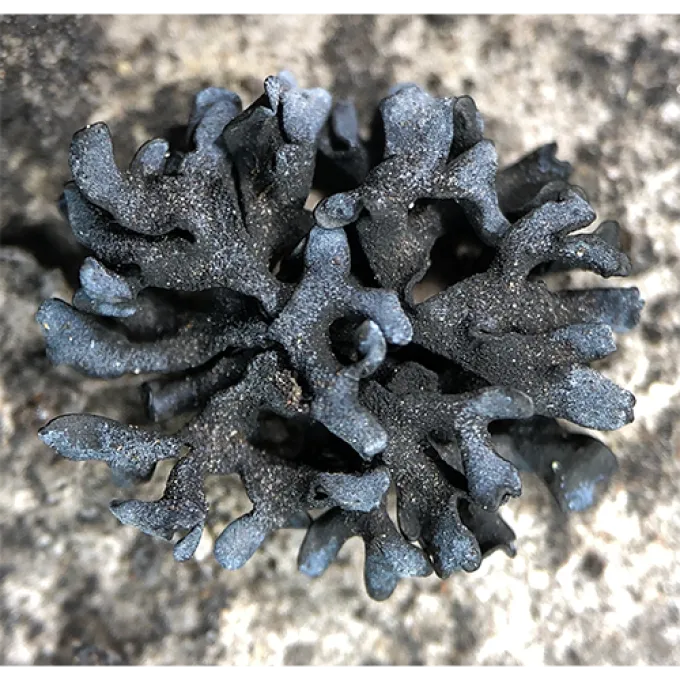
Description
Pathogen
Lichinomycetes is a class of fungi within the Ascomycota division, characterized by their symbiotic lifestyle. They are classified as lichenized fungi, forming mutualistic associations with cyanobacteria.
From a phytopathological perspective, it is critical to state that Lichinomycetes are not plant pathogens. They do not infect plant tissues, nor do they feed on plant cells or cause disease symptoms such as chlorosis or necrosis.
They inhabit the surface of plant parts, primarily the bark of trees, using the plant only as an inert physical substrate for attachment. Their metabolic activity is independent of the host plant's internal physiology.
Biologically, these fungi contribute to the ecological balance by stabilizing soil surfaces or participating in the initial stages of rock weathering in natural landscapes.
The perception of these fungi as a "disease" is a common misconception in orchard management, where lichen coverage is often confused with fungal infections that actually damage trees.
Conditions for development
The development of Lichinomycetes is strictly regulated by environmental moisture and light availability. They thrive in open, well-lit environments where competition from other organisms is low.
These fungi act as bio-indicators of air quality. High sensitivity to atmospheric pollution, such as sulfur dioxide, limits their distribution in industrial or highly polluted agricultural zones.
They prefer surfaces that are relatively stable, such as mature tree bark or rocky outcrops, which are not subject to frequent mechanical disturbances or intensive chemical spraying.
Thermal stability is a key factor; however, their ability to withstand long periods of desiccation allows them to survive in environments where water is only periodically available.
In orchards, lack of maintenance leads to the accumulation of organic dust and dead bark cells, which serves as a nutrient-rich foundation for the growth of lichen colonies.
Why it matters
Lichinomycetes pose no direct physiological threat to cultivated crops. They do not interact with the xylem or phloem, and they do not hinder plant growth or fruit development.
The primary concern regarding their presence is the creation of micro-habitats for various insect pests. The structure of the lichen thallus provides shelter for overwintering pests, such as scale insects or codling moth larvae.
Heavy lichen coverage is often a marker of poor management or neglected trees. It signals that the tree's bark has not been cleaned or renewed, which correlates with overall low vitality in an orchard.
While the fungi themselves do not cause damage, an orchard covered in heavy lichen growth is often a sign of suboptimal environmental conditions or inadequate maintenance schedules.
In high-intensity agriculture, the aesthetic and practical issue of managing bark cleanliness is the only reason for their removal, rather than any direct impact on the yield.
Protection
Effective management focuses on preventive horticultural practices rather than treating the lichen as a target for chemical control. The most effective method is mechanical bark maintenance.
Scraping dead bark from tree trunks during the dormant season removes the attachment sites for these fungi and simultaneously destroys hiding spots for overwintering pests.
Whitewashing tree trunks with lime solutions alters the surface pH of the bark, creating an inhospitable environment that significantly inhibits the re-colonization of Lichinomycetes.
Pruning strategies that improve airflow and light penetration within the canopy are crucial for reducing the humidity levels that favor the growth of these organisms.
The application of copper-based fungicides in early spring is a standard agricultural procedure that provides a secondary benefit of cleaning the bark surface of epiphytic growths.
Discussion
No discussions yet — be the first.