
Liceales
Liceales
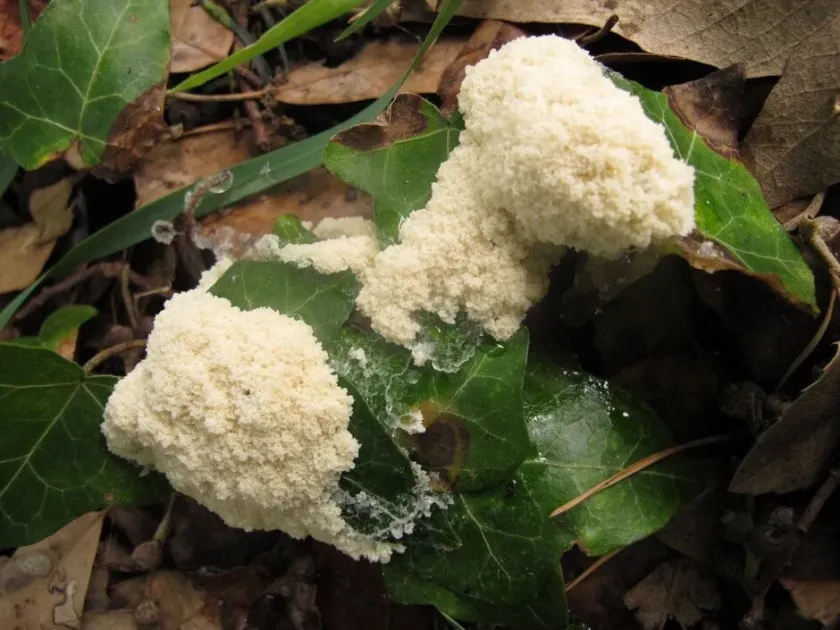
Description
Pathogen
Liceales is an order of myxomycetes, commonly known as slime molds. In an agricultural context, it is crucial to note that they are not plant pathogens. They do not infect living plant tissues; instead, they function as saprotrophs, feeding on decaying organic matter, bacteria, and fungal spores found in the environment.
The life cycle of these organisms is fascinating, beginning as a motile, multinucleate mass of protoplasm called a plasmodium. This plasmodium can move over surfaces in search of nutrients, eventually transforming into a fructification stage, which is the form commonly observed by farmers and agronomists.
The spore-producing structures are what typically alert observers. These structures may appear as small, often colorful or dusty formations on dead wood, leaves, or mulch. Because they appear on plants, they are frequently confused with fungal infections, leading to unnecessary concern.
Unlike true phytopathogenic fungi, Liceales organisms do not possess the enzymatic machinery to degrade living plant cell walls. Their primary role in the ecosystem is the decomposition of organic materials, which contributes to the nutrient cycling process in the soil.
From an agronomic perspective, recognizing the non-pathogenic nature of Liceales is essential for integrated pest management. Misidentifying them as a threat leads to ineffective and costly chemical interventions that do nothing to manage the actual conditions that allowed them to thrive.
Conditions for development
The proliferation of Liceales is strictly governed by moisture levels. They thrive in environments where humidity is persistently high and air circulation is poor, which allows surface water to remain stagnant for extended periods.
Substrate availability is the second key factor. These organisms require damp organic debris, such as decaying plant residues, mulch layers, or wet soil surfaces, to thrive. Improperly incorporated crop residue provides the ideal nutritional base for the plasmodium to feed and expand.
Optimal development usually occurs at moderate temperatures. While they are highly resilient, the spore stage is particularly adapted to withstand extreme environmental stress, including heat and desiccation, remaining dormant until favorable moisture conditions return.
Poor soil structure and lack of drainage are significant contributors to the presence of these organisms. When water cannot penetrate the soil profile, it creates a surface film that facilitates the movement of the plasmodial stage and supports the dispersal of spores.
In addition, shady, poorly ventilated areas of a field or greenhouse are hotspots for Liceales. Lack of sunlight and restricted airflow prevent the drying out of soil surfaces, maintaining the high-humidity microclimate they require to transition into the reproductive phase.
Why it matters
Liceales pose no direct harm to the health or vitality of agricultural crops. As saprotrophs, they do not possess the ability to penetrate or extract nutrients from living plant tissues, and they do not produce phytotoxic metabolites.
The only potential damage is indirect and mechanical. In cases of extremely dense coverage by the plasmodium or spore-bearing structures, plants may suffer from temporary reduction in photosynthetic capacity due to the physical blockage of leaf surfaces, though this is rare in field conditions.
The primary economic harm associated with Liceales is the result of misdiagnosis. When farmers assume their presence indicates a virulent disease, they often apply fungicides. These applications represent a wasted expense, as fungicides are ineffective against myxomycetes and may disrupt beneficial microbial communities.
Their presence can be viewed as a diagnostic indicator of environmental conditions rather than a direct threat. They signal excessive moisture, poor drainage, or an accumulation of unmanaged organic debris, which are conditions that *do* favor the development of actual plant pathogens.
While their appearance can be unsightly, they do not impact the marketability of crops unless they physically contaminate harvested parts, though this is primarily an aesthetic issue rather than a structural or safety concern for the agricultural produce.
Protection
Managing Liceales requires focusing on environmental and cultural adjustments rather than chemical control. Since they are not pathogens, there is no place for pesticides in their management. The solution lies in improving the physical conditions of the growing environment.
Improving field drainage is the most effective preventative measure. Ensuring that water can move through the soil profile prevents the surface pooling that Liceales require. Additionally, proper cultivation techniques that incorporate crop residue effectively will remove the food source for these organisms.
Increasing airflow and light penetration is essential, especially in greenhouses or dense plantings. Pruning, appropriate spacing, and ensuring that no unnecessary moisture is left on the soil surface will quickly make the environment hostile for these slime molds.
General cleanliness in agricultural operations is recommended. Removing excessive or rotting organic material from the vicinity of crops prevents the build-up of the populations of these organisms and keeps the focus on healthy plant growth.
- Enhance soil drainage systems.
- Ensure adequate plant spacing for airflow.
- Properly incorporate organic residues.
- Avoid unnecessary irrigation of surface layers.
Discussion
No discussions yet — be the first.