
Liceaceae
Liceaceae
Description
Symptoms
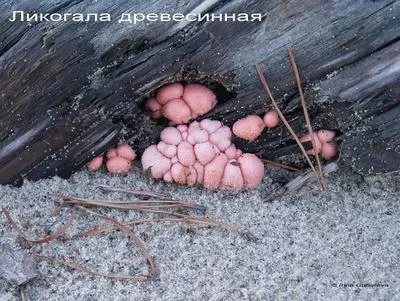
The primary symptom of Liceaceae is the presence of small, variable sporangia that attach firmly to leaf blades, stems, or tree bark.
These fruiting bodies appear as clustered, spherical, or flattened structures, often bronze, yellow, or dark brown in coloration, depending on the specific species.
When mature, these structures rupture to release a mass of spores, creating a dry, dusty appearance on the surface of the affected plant part.
Unlike true rust or leaf spot diseases, the spore mass of Liceaceae does not cause underlying chlorosis or necrotic tissue damage to the plant.
The dusting is typically superficial and can be easily brushed away, leaving the leaf surface intact beneath the cluster of spore-bearing bodies.
Pathogen
Liceaceae is a family of slime molds (Myxomycetes) that exhibit characteristics of both fungi and amoeboid organisms, playing a unique role in the soil-plant ecosystem.
These organisms are not true pathogens because they do not extract nutrients directly from living plant tissues, but rather exist as saprotrophs on surfaces.
The life cycle involves a plasmodium stage, which is a mobile mass of protoplasm capable of movement across leaves, bark, and decomposing organic debris.
They reproduce by forming sporangia, which are distinct structures that often appear on the surface of plants, frequently confusing gardeners due to their mold-like appearance.
While often misidentified as a parasitic fungus, Liceaceae organisms are primarily decomposers that thrive in environments where moisture and decaying matter coincide.
Conditions for development
High relative humidity is the critical factor for the development of Liceaceae, as they require continuous moisture for the plasmodium to move and mature.
Frequent rainfall, early morning dew, and persistent foggy conditions create an ideal environment for these slime molds to colonize plant surfaces.
Poor aeration in dense plantings, combined with excessive moisture in the mulch layer, provides both the habitat and the food source required for their growth.
Temperatures ranging from 15°C to 25°C typically stimulate the transformation of the plasmodium into visible sporangia on foliage and stems.
Low-light locations that prevent rapid drying of the morning dew are significantly more prone to harboring populations of these organisms compared to sunny areas.
Why it matters
The direct harm caused by Liceaceae to plants is negligible, as they do not consume plant sap or cause physical degradation of cell walls.
However, the mass of spores can physically cover a significant portion of the leaf surface, effectively reducing the plant's capacity for photosynthesis.
Reduced photosynthetic efficiency can stress sensitive cultivars, particularly during critical periods of growth, leading to slowed plant development.
Their presence is a reliable diagnostic indicator of a micro-environment that is too damp, suggesting a high risk for other, more serious fungal pathogens.
Furthermore, the excessive organic matter that supports their presence can act as a breeding ground for other secondary bacterial or fungal pests.
Protection
The most effective strategy is to improve airflow and plant spacing to ensure that foliage dries quickly following morning dew or rainfall.
Sanitation is paramount; gardeners should regularly remove dead leaves, twigs, and rotting mulch from around the base of plants to eliminate food sources.
Watering practices should be strictly controlled, focusing on root-zone irrigation to prevent wetting the foliage or stems during vulnerable times.
Mechanical removal is the preferred treatment if sporangia are aesthetic nuisances; a gentle water spray or soft brush is usually enough to dislodge them.
Standard fungicides are generally ineffective against slime molds, so efforts should be directed towards cultural control, specifically moisture management and improved ventilation.
Discussion
No discussions yet — be the first.