
Kava wilt
Kava wilt agent
Description
Symptoms
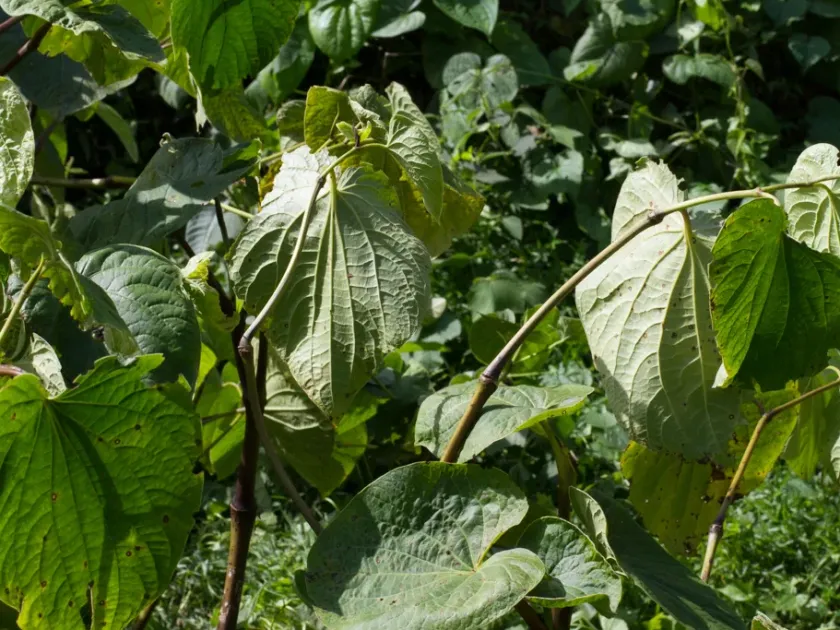
The most visible symptom of Kava wilt is the sudden wilting of the foliage, which is often mistaken for simple drought stress. Affected leaves lose their turgor, turn pale green, and eventually transition to a yellow or brownish hue.
Closer examination of the plant's base often reveals necrotic, water-soaked lesions on the stem or the crown. In severe cases, these lesions expand into a girdling canker that severs the connection between the roots and the stem.
Upon lifting a dying plant from the soil, the root system shows advanced signs of decay. The primary and feeder roots exhibit dark brown or black discoloration, often accompanied by a distinct, foul odor characteristic of anaerobic bacterial or fungal breakdown.
The progression of the disease is relatively rapid, especially during warmer months. Leaves may curl and drop off within a few weeks, leading to the complete desiccation of the stem and the eventual collapse of the entire Kava bush.
- Sudden loss of leaf turgor and wilting.
- Chlorosis and necrosis of lower leaves.
- Dark, necrotic lesions on the crown or stem base.
- Root system darkening and physical degradation.
- Complete plant death within a short timeframe.
Pathogen
Kava wilt is primarily caused by the oomycete Phytophthora palmivora. This soil-borne pathogen is highly aggressive and specialized in targeting the root system and the lower stem of the Piper methysticum plant.
The disease is classified as a form of vascular wilt and progressive root rot. The pathogen invades the plant through wounded root tissues, colonizing the vascular system and effectively blocking the uptake of water and vital nutrients to the rest of the plant.
The life cycle of this pathogen involves the production of motile zoospores, which can travel through water films in the soil. This mobility allows the fungus to spread rapidly across fields, particularly following heavy rain or excessive irrigation.
The mycelium of the pathogen penetrates deep into the root cortex, causing cellular breakdown. Once established, the pathogen can survive for extended periods in the soil as dormant structures, awaiting the next planting cycle to resume its aggressive attack.
Agronomic studies emphasize that the uniformity of many Kava cultivars makes them susceptible to rapid infection. Under tropical conditions, the pathogen exploits the constant high humidity to maintain high inoculum pressure throughout the year.
Conditions for development
High soil moisture is the primary catalyst for the development of Kava wilt. Poorly drained fields that retain standing water provide an ideal environment for the development and movement of Phytophthora zoospores.
Tropical temperatures, typically between 22 and 28 degrees Celsius, are optimal for the pathogen's metabolic activity. These conditions facilitate rapid colonization of host tissues and ensure the disease spreads easily through the root zone.
Soil structure plays a major role in the prevalence of the disease. Heavy clay soils that lack proper aeration are particularly prone to harboring the pathogen, as they tend to stay saturated for longer periods after rainfall.
Human activity is a major vector for the disease. Contaminated agricultural tools, footwear, and the movement of infested soil from infected areas are the most common ways the pathogen reaches new, previously healthy plots.
Continuous cropping of Kava in the same location without appropriate crop rotation leads to an accumulation of inoculum in the soil. This buildup makes each subsequent crop more likely to suffer from severe wilt outbreaks.
Why it matters
Kava wilt is a significant threat to the economic viability of Kava farming. A severe outbreak can decimate up to 90% of a production site, leading to massive financial losses and the abandonment of cultivation land.
The disease renders the root yield worthless. Since the value of Kava lies in its high-quality root composition, decayed roots resulting from wilt infection are biologically degraded and unsuitable for commercial or medicinal processing.
The presence of the disease imposes long-term constraints on land use. Because the pathogen can persist in the soil for years, farmers are often forced to seek new, disease-free land, which increases the overall cost of production and logistical overhead.
Infected plants serve as focal points for further spread, impacting surrounding healthy bushes. This chain reaction can wipe out entire plantations if early management strategies are not implemented effectively and promptly.
Smallholder farmers are particularly vulnerable, as their reliance on a single crop makes them highly susceptible to the economic shock caused by the loss of Kava crops due to wilt infections.
Protection
The first line of defense is the use of pathogen-free, certified planting material. Sourcing cuttings from healthy nurseries is essential to prevent the accidental introduction of Phytophthora to clean fields.
Improving field drainage is a critical cultural practice. Implementing raised beds and ensuring appropriate land slope helps facilitate rapid water runoff, reducing the duration of soil saturation and discouraging pathogen movement.
Strict sanitation protocols for equipment are mandatory. All tools used for pruning or harvesting must be disinfected with alcohol or other effective fungicides to ensure that soil-borne spores are not transferred between plants.
Early identification and removal of infected plants, including the entire root zone and surrounding soil, can help isolate the disease. These materials must be destroyed or buried far from current planting sites to prevent reinfection.
Integrating biological controls, such as the application of beneficial fungi (e.g., Trichoderma species), can enhance the soil's natural suppressive capacity. These beneficial organisms help compete against the pathogen, effectively limiting its growth and shielding the Kava roots.
Discussion
No discussions yet — be the first.