
Coconut wilt
Coconut wilt agent
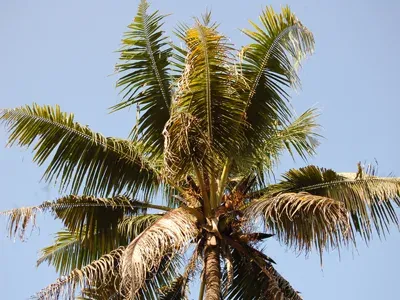
Description
Symptoms
The primary symptom of coconut wilt is the yellowing of leaflets, which usually begins at the margins and spreads toward the leaf base.
Another classic sign is the premature shedding of flower bunches and immature nuts, leading to a significant decline in fruit yield.
Affected trees often show a distinctive drooping or bending of the crown, which gives the palm a sickly and characteristic appearance.
Root necrosis is a critical symptom, as the root system gradually dies back, impairing the tree's ability to absorb water and nutrients.
In advanced stages, the palm stops producing new leaves and slowly declines, resulting in the eventual death of the entire plant.
Pathogen
Coconut wilt is caused by phytoplasmas, which are wall-less, specialized prokaryotes that colonize the plant's phloem tissues.
The disease is transmitted by insect vectors, primarily leafhoppers (plant hoppers), which carry the pathogen while feeding on palm sap.
It is classified as a systemic vascular disease, as the phytoplasma travels through the plant's nutrient-transporting tubes, causing blockages.
These pathogens have a complex life cycle, requiring both the plant host and the insect vector for successful survival and propagation.
Since the pathogen resides within the phloem, it is inaccessible to conventional fungicides, necessitating a focus on vector control.
Conditions for development
High humidity and warm temperatures significantly accelerate the development of the disease by favoring the activity of insect vectors.
Poor soil fertility and inadequate agricultural practices weaken the palm's natural defenses, making it more susceptible to infection.
The presence of alternative weed hosts within the plantation provides a habitat for vectors, ensuring continuous transmission pressure.
Overcrowded plantations facilitate the rapid movement of insects between palm trees, increasing the rate of infection spread.
Regions with year-round tropical weather patterns face the highest risk of endemic outbreaks and sustained spread of the pathogen.
Why it matters
The disease causes substantial economic losses by reducing fruit production and eventually killing high-yielding coconut palms.
It disrupts the livelihoods of farming communities dependent on coconut products for their primary income and food security.
Large-scale outbreaks can lead to the abandonment of agricultural land and a decrease in the overall productivity of the regional industry.
Infected plantations require significant labor and financial investment for removal and replanting, which may take many years to yield returns.
There is also a significant loss of genetic diversity in local palm populations due to the selective removal of susceptible varieties.
Protection
The immediate rogueing (removal and burning) of symptomatic trees is essential to reduce the source of inoculum in the field.
Implementing a strict insect management program using systemic insecticides can help reduce the population of disease vectors.
Developing and planting resistant or tolerant coconut cultivars is considered the most effective long-term strategy against coconut wilt.
Quarantine measures must be strictly enforced to prevent the movement of infected plant material into non-infested or healthy areas.
Improving general plantation hygiene, including weed control and balanced fertilization, helps enhance the overall resilience of the palms.
Discussion
No discussions yet — be the first.